
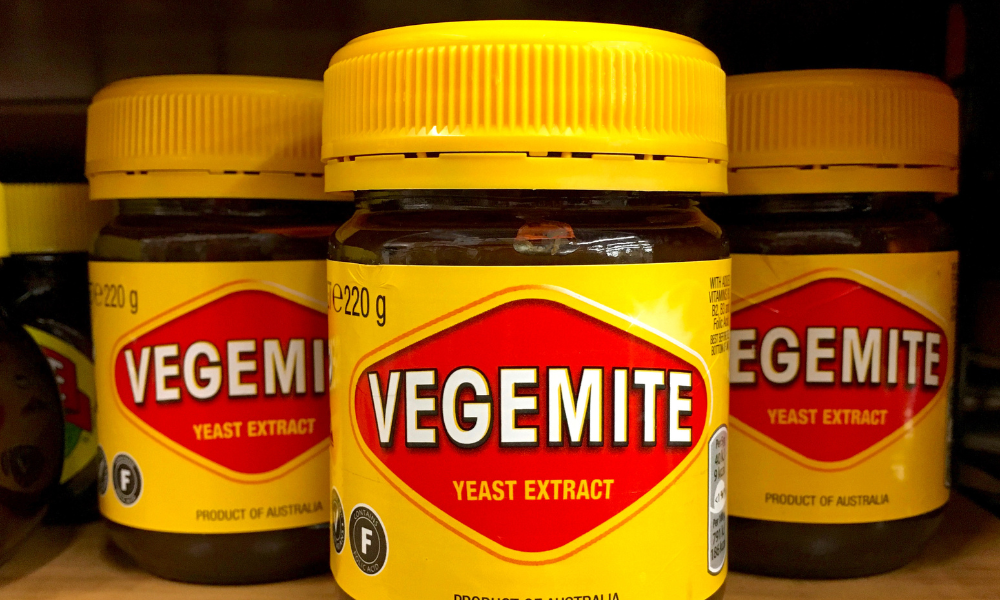
Supreme Court Victoria: McKechnie Vegemite Ban Challenge on Cultural Rights
Summary
- Prisoner Andre McKechnie lost his Supreme Court of Victoria bid to access Vegemite.
- Victorian prisons have banned Vegemite for two decades due to concerns it could be used to brew alcohol and affect sniffer dogs.
- McKechnie argued the ban violated his cultural rights as an Australian under the Charter of Human Rights and Responsibilities Act.
- Justice Claire Harris acknowledged the cultural rights restriction but ultimately upheld the ban, stating the primary limitation was McKechnie's status as a prisoner.
- The court rejected McKechnie's evidence disputing Vegemite's impact on sniffer dog detection.
The Dispute Over a National Staple
The limitation on Mr. McKechnie's ability to enjoy Vegemite in community with other persons of Australian background is primarily that he is a prisoner.
Andre McKechnie, an inmate at Victoria's maximum-security Barwon Prison, recently sought the intervention of the Supreme Court of Victoria in his quest to gain access to Vegemite. This legal challenge aimed to overturn a two-decade-old prohibition within the state's correctional facilities against providing the yeast-based spread to prisoners. McKechnie, who is currently serving a life sentence for murder and appeared in court via video, argued that the ban infringed upon his fundamental rights.
The long-standing ban on Vegemite in Victorian prisons stems from concerns articulated by correctional authorities regarding security and the prevention of illicit activities. State prison department manager Kevin White informed the court that the spread's yeast content presented a significant risk, as it could be utilized by inmates to brew alcohol. White further supported this claim by referencing public research indicating that Vegemite accelerates the fermentation process in home-brewed beer, reinforcing the authorities' stance on its potential misuse within the prison environment.
Cultural Rights and Security Concerns
Central to McKechnie's argument was the assertion that the prohibition on Vegemite constituted a violation of his human right to "enjoy his culture as an Australian in the community with other persons of Australian background," a right he invoked under the Charter of Human Rights and Responsibilities Act. He contended that Vegemite, often considered a symbol of Australian identity, was crucial for maintaining his cultural connection. To bolster this claim, McKechnie cited a 2003 article from the food studies journal Gastronomica, which suggested Vegemite might be the world's best predictor of national identity among foods. He also referenced 1995 research from Queensland University, indicating a strong correlation between a taste for the spread and early exposure, as well as Australian birth and ancestry.
Beyond cultural identity, McKechnie also challenged the prison authorities' additional security justifications. He pointed out that New South Wales correctional facilities permit Vegemite, suggesting that "less restrictive means" were "reasonably available" to achieve the authorities' objectives without a blanket ban. He further disputed the claim that Vegemite could hinder sniffer dogs' ability to detect narcotics, citing a 2017 Melbourne newspaper article about a failed attempt to smuggle drugs into a music festival, which indicated Vegemite's smell could not mask illegal substances. McKechnie also initially claimed a vitamin B1 deficiency, attributing it partly to the lack of Vegemite, which he described as a key daily source of thiamine for him as a kosher Jew, but he later withdrew this specific health argument following opposition from the prison authorities' lawyers.
The Court's Ruling and Its Implications
Justice Claire Harris, presiding over the Supreme Court of Victoria, acknowledged that the prohibition on Vegemite did indeed restrict Mr. McKechnie's cultural rights. However, the court ultimately sided with the prison authorities, upholding the ban. In her judgment, delivered on October 26, Justice Harris clarified that "The limitation on Mr. McKechnie's ability to enjoy Vegemite in community with other persons of Australian background is primarily that he is a prisoner." This statement underscored the court's view that the inherent nature of incarceration significantly impacts the scope of rights that can be exercised.
The judge also specifically rejected McKechnie's evidence regarding the ineffectiveness of Vegemite in masking drugs from sniffer dogs, thereby validating the prison's security concerns on that front. The ruling reinforces the Victorian Supreme Court's position on balancing inmate cultural rights, particularly those invoked under the Charter of Human Rights and Responsibilities Act, against the operational and security imperatives of the prison system. This decision provides a precedent for how such claims are weighed, especially when justifications like preventing alcohol brewing or maintaining drug detection capabilities are presented by correctional facilities.
Practical Implications
This ruling clarifies the Victorian Supreme Court's stance on balancing inmate cultural rights, specifically under the Charter of Human Rights and Responsibilities Act, against prison security and operational concerns. Lawyers advising correctional facilities or representing inmates in Victoria should note this precedent regarding the scope and limitations of cultural rights claims within the prison system, particularly where security or public health (e.g., preventing alcohol brewing) are cited as justifications for restrictions.
Source
How does this affect you?
Get an AI analysis of this article grounded in your jurisdictions, practice areas, and any policy documents you've uploaded to Wansom.
Finish Reading the Full Story and the Expert Analysis.
Wansom is AI and can make mistakes.