
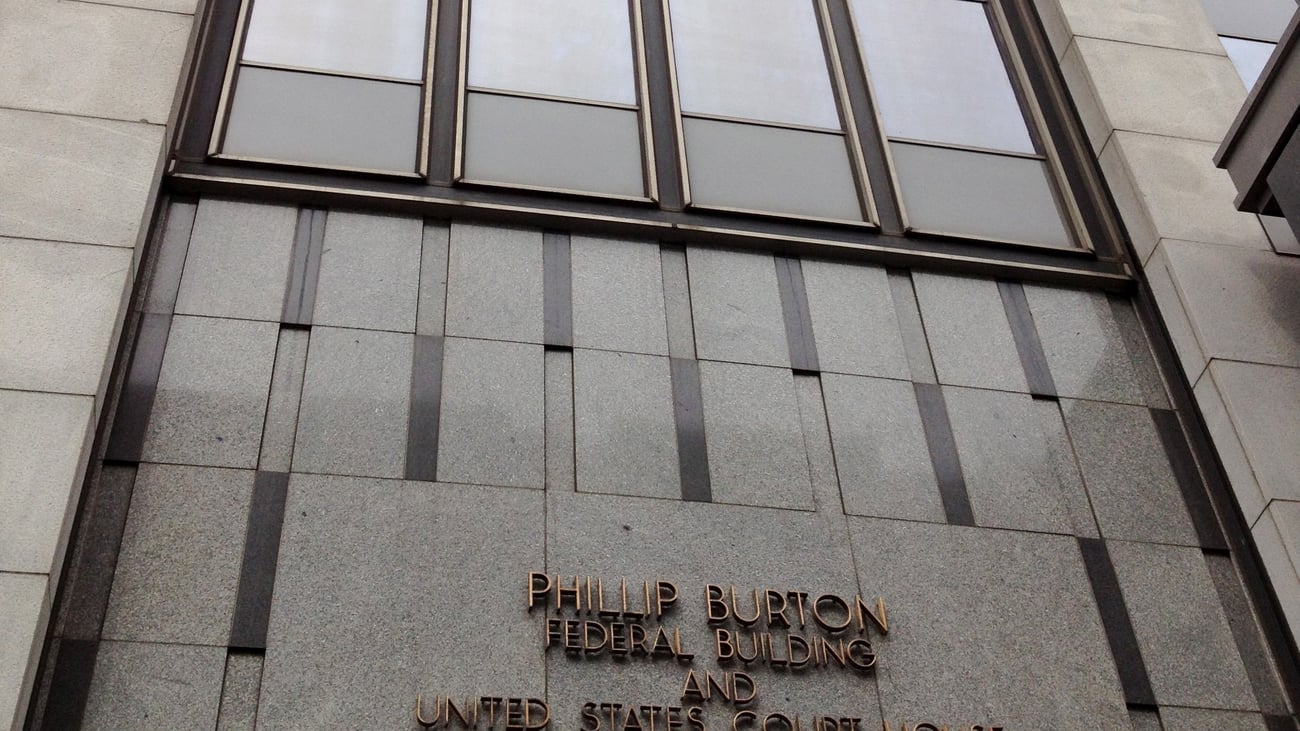
Maxine M. Chesney Denies Luke Brugnara Bail Third Time
Summary
- Federal Judge Maxine M. Chesney denied Luke Brugnara's third attempt at being released from pretrial detention.
- Chesney cited concerns about Brugnara's history of evading the court and non-appearance in previous hearings.
- The judge expressed skepticism about where Brugnara obtained the substantial amount of money for the bond.
- Brugnara was denied bail despite a significant increase in the proposed bond amount to $350,000.
What Happened
When things are looking good for Mr. Brugnara, he does appear, but when things are looking tough, he runs.
Federal Judge Maxine M. Chesney denied former San Francisco real estate investor Luke Brugnara's third attempt at being released from pretrial detention, citing concerns about his history of evading the court and non-appearance in previous hearings. Despite a significant increase in the proposed bond amount to $350,000, which would be paid for by Margarita Prikhodko, Brugnara's landlord, Chesney ruled that it was not enough to reasonably ensure his appearance in court. The judge expressed skepticism about where Brugnara obtained the substantial amount of money and questioned whether a third party putting up the funds would guarantee his attendance at upcoming hearings.
Brugnara's lawyer, Matthew Dirkes, had argued that the increased bond amount, along with ankle monitoring and home confinement, would provide sufficient assurance for Brugnara's appearance. However, Chesney was unconvinced, stating that she had tried to work with the U.S. Marshals Service to move Brugnara to a different facility that made it easier for him to meet with his attorney.
The hearing was marked by disruptions from Brugnara, who frequently spoke over the judge and voiced his belief that he should be released from pretrial custody, given his presumption of innocence. Chesney eventually ordered Brugnara out of the courtroom twice due to his behavior.
Legal Context
The case highlights the complexities of pretrial detention and the challenges faced by lawyers representing clients in such situations. Chesney's ruling underscores the importance of considering a defendant's history of non-appearance and evasiveness when determining bail amounts. The judge's skepticism about Brugnara's ability to secure his own funds for the bond also raises questions about the reliability of third-party financing.
The case has implications for lawyers representing clients in pretrial custody, who should be aware of the potential for judges to deny bail increases even with substantial sums offered if there is a history of non-appearance or evasiveness. Chesney's ruling demonstrates that judges will carefully consider the totality of the circumstances before making a decision on bail.
The case also highlights the need for effective communication between lawyers and their clients, particularly in situations where defendants are being held in pretrial custody. Dirkes' concerns about Brugnara's due process rights and difficulties meeting with his attorney while in custody underscore the importance of addressing these issues in a timely manner.
Why It Matters
The denial of bail for Luke Brugnara marks the third time he has been denied release from pretrial detention. The case raises important questions about the balance between ensuring public safety and protecting defendants' rights. Chesney's ruling highlights the need for judges to carefully consider the totality of the circumstances before making a decision on bail, including a defendant's history of non-appearance and evasiveness.
The case has implications for lawyers representing clients in pretrial custody, who must be aware of the potential for judges to deny bail increases even with substantial sums offered if there is a history of non-appearance or evasiveness. Chesney's ruling demonstrates that judges will carefully consider the totality of the circumstances before making a decision on bail.
The case also highlights the need for effective communication between lawyers and their clients, particularly in situations where defendants are being held in pretrial custody.
Practical Implications
Lawyers representing clients in pretrial custody should be aware of the potential for judges to deny bail increases, even with substantial sums offered, if there is a history of non-appearance or evasiveness.
Source
How does this affect you?
Get an AI analysis of this article grounded in your jurisdictions, practice areas, and any policy documents you've uploaded to Wansom.
Wansom is AI and can make mistakes.