
California Supreme Court: No 2-Year Gap for Second Maternity Leave
Summary
- A jury convicted Carlos Reales Dominguez of two counts of involuntary manslaughter in connection with the fatal stabbings of Karim Abou Najm and David Breaux.
- Dominguez was found legally insane by Superior Court Judge Sam McAdam and committed him to a state hospital for a minimum of 180 days.
- More legal proceedings are expected, which could extend his commitment indefinitely.
- The case highlights the complexities of California's involuntary manslaughter law and its intersection with insanity defense.
What Happened
However, the law requires a minimum commitment of 180 days.
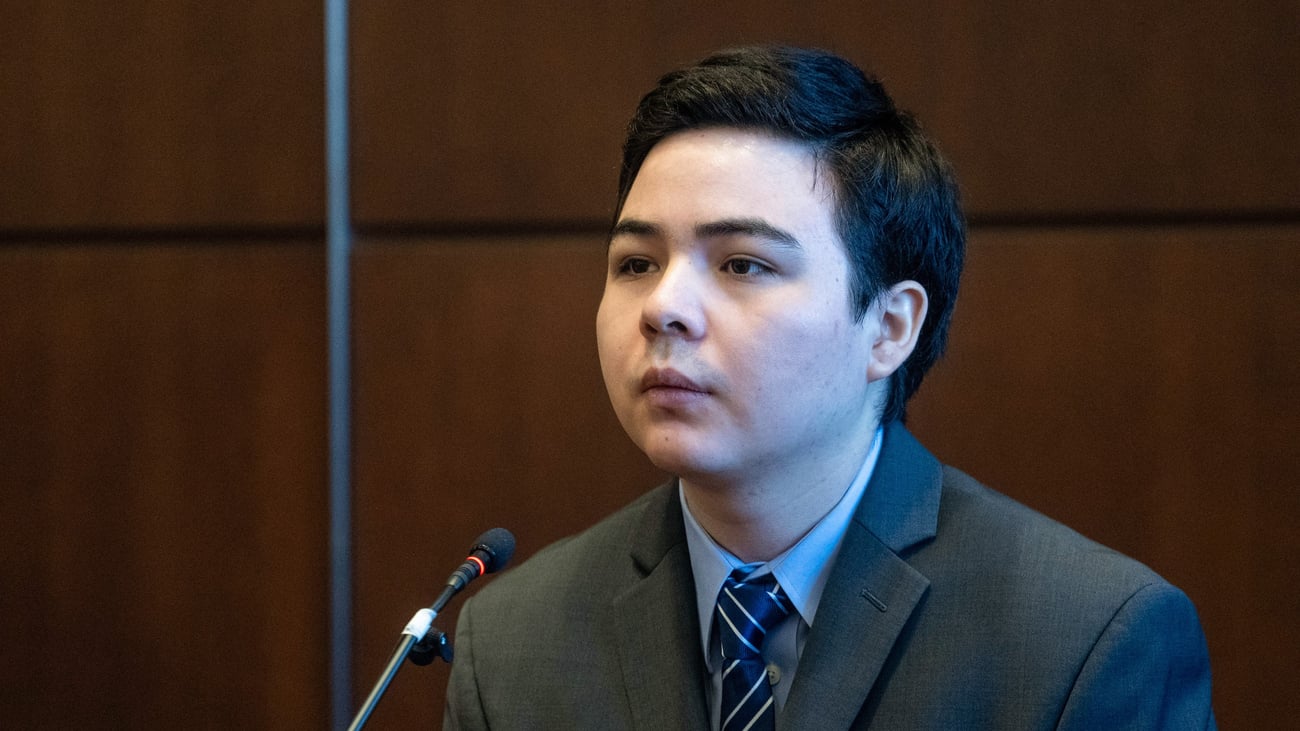
A jury convicted Carlos Reales Dominguez of two counts of involuntary manslaughter in connection with the fatal stabbings of Karim Abou Najm and David Breaux. The verdict came after a trial in which Dominguez's public defender argued that he suffered from schizophrenia at the time of the incident, believing he was attacking 'shadow shapeshifters.' Doctors testified that he indeed had the mental illness during the stabbings. Superior Court Judge Sam McAdam found Dominguez legally insane and committed him to a state hospital for a minimum of 180 days. However, more legal proceedings are expected, which could extend his commitment indefinitely.
Relevant Legal/Regulatory Context
In California, a defendant found not guilty by reason of insanity may face extended involuntary commitment. This can potentially last indefinitely, impacting their clients' rights and obligations. Lawyers and compliance officers should be aware of this aspect of the law. The Yolo County District Attorney's Office has filed a petition seeking a two-year extension of Dominguez's commitment, which could set a precedent for future cases. Dan Hutchinson, Dominguez's public defender, emphasized that petitions like these can occur repeatedly, potentially keeping someone in a state hospital for life.
Why It Matters
The case highlights the complexities of California's involuntary manslaughter law and its intersection with insanity defense. The outcome raises questions about the balance between punishment and treatment for individuals found not guilty by reason of insanity. As the legal proceedings continue, it remains to be seen how this will impact Dominguez's future and the rights of those involved.
Practical Implications
Lawyers and compliance officers should be aware that a defendant found not guilty by reason of insanity in California may face extended involuntary commitment, potentially indefinitely, which could impact their clients' rights and obligations.
Source
How does this affect you?
Get an AI analysis of this article grounded in your jurisdictions, practice areas, and any policy documents you've uploaded to Wansom.
Wansom is AI and can make mistakes.