
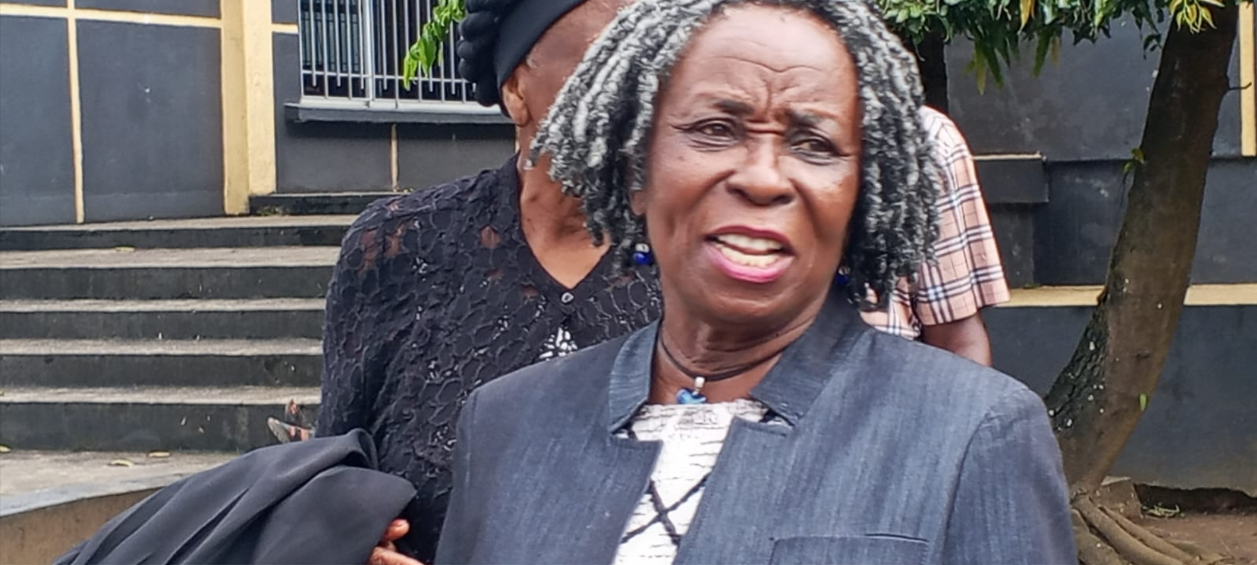
Liberia: Mary Broh Saudi Rice Trial Defense Challenges Theft Claims
Summary
- Former GSA Director General Mary Broh provided a strong defense in Liberia's Saudi-donated rice trial on September 28.
- She testified that accused government officials "did a fantastic job" and questioned theft allegations given the rice's distribution to communities.
- Broh detailed an inter-agency process involving the Ministry of Foreign Affairs, NDMA, Ministry of Local Government, and GSA for warehousing the aid.
- Her involvement began after a request from then Foreign Affairs Minister Dee-Maxwell Saah Kemayah for GSA's assistance.
- The defense aims to distinguish between administrative actions and criminal misappropriation, focusing on the rice reaching beneficiaries.
Key Defense Testimony
She questioned how officials could be accused of stealing rice that, by her account, was subsequently distributed to various communities and government institutions across the nation.
On Monday, September 28, former General Services Agency (GSA) Director General Mary T. Broh delivered a significant defense account in Liberia's ongoing Saudi-donated rice trial. Appearing as a subpoenaed witness before Criminal Court C Liberia, Broh strongly asserted that the government officials involved in managing the controversial donation performed "a fantastic job." Her testimony served as a pivotal moment in the Mary Broh Saudi rice trial defense, directly challenging the prosecution's narrative by questioning how the accused could be charged with stealing rice that, by her account, was subsequently distributed to various communities and government institutions across the nation. This direct challenge aimed to reframe the entire Liberia Saudi rice criminal case.
Broh's appearance and testimony were part of the defense's efforts to counter allegations of misappropriation. She aimed to distance the accused officials from any suggestion that the movement of the rice was undertaken for personal benefit, instead portraying their actions as legitimate governmental duties. Her account provided a detailed perspective on how the GSA came to warehouse thousands of bags of the humanitarian aid, emphasizing a process of proper management rather than illicit activity.
Inter-Agency Coordination at Issue
Broh's testimony detailed the procedural framework for the rice's movement and warehousing, emphasizing an intricate inter-agency arrangement. She explained that the transfer of the Saudi humanitarian aid to the GSA's facilities was not an isolated act but a coordinated effort involving the Ministry of Foreign Affairs, the National Disaster Management Agency (NDMA), the Ministry of Local Government, and the GSA itself. This collaborative approach, she maintained, was central to the handling of the donation.
Her involvement, she clarified, began after receiving a direct call from then Foreign Affairs Minister Dee-Maxwell Saah Kemayah, who sought GSA's assistance in warehousing the donated rice. Broh, viewing Kemayah as a government colleague, agreed to help, leading to a subsequent meeting at the GSA. This meeting, chaired by Kemayah, brought together representatives from all involved ministries and agencies to coordinate the distribution of the Saudi humanitarian aid, underscoring the collective responsibility and procedural nature of the operation.
Distinguishing Theft from Distribution
A central pillar of Broh's defense was the distinction between administrative actions and criminal intent, directly addressing the Liberia rice misappropriation charges. She challenged the notion that the mere movement of rice from one government institution to another, or its eventual distribution to institutions and communities, inherently constituted theft. Instead, her testimony painted a picture of government officials diligently working to manage, warehouse, and distribute a substantial humanitarian donation through established state channels.
Broh critically questioned the prosecution's premise: if the rice was indeed stolen, what became of the significant quantities that ultimately reached the intended beneficiaries? This line of questioning is fundamental to the defense's strategy, aiming to differentiate between potential accounting discrepancies or administrative decisions and actual criminal appropriation in the Dee-Maxwell Saah Kemayah rice trial. Her account presented a starkly different picture from the prosecution's case, focusing on the successful delivery of aid rather than its alleged theft.
Post-Testimony Remarks
Following her testimony, as she exited the courtroom, Broh reportedly made an additional, more direct statement regarding the accused officials. She was heard declaring, "The people are innocent, the people didn’t do anything." While this remark was made outside the witness stand and therefore does not carry the same evidentiary weight as her sworn testimony, it powerfully underscored the position she had articulated under oath.
Her statement reflected her conviction that the officials were acting within their governmental duties and that their involvement in the rice movement should not be misconstrued as criminal conduct. This public declaration, though not evidence, reinforced the core of the Mary Broh Saudi rice trial defense, emphasizing the belief that the accused were performing their roles in the handling of the Saudi humanitarian aid theft allegations.
Practical Implications
This testimony highlights potential defense strategies in public sector corruption cases involving humanitarian aid, focusing on inter-agency coordination and actual distribution as counter-arguments to misappropriation charges. It underscores the critical role of witness accounts in establishing intent and distinguishing administrative discrepancies from criminal conduct.
Source
How does this affect you?
Get an AI analysis of this article grounded in your jurisdictions, practice areas, and any policy documents you've uploaded to Wansom.
Finish Reading the Full Story and the Expert Analysis.
Get the latest legal & regulatory intelligence in Liberia
Wansom is AI and can make mistakes.