
Manzini Court Convicts Drunk Driver, Defendant Cites Police Cell Conditions
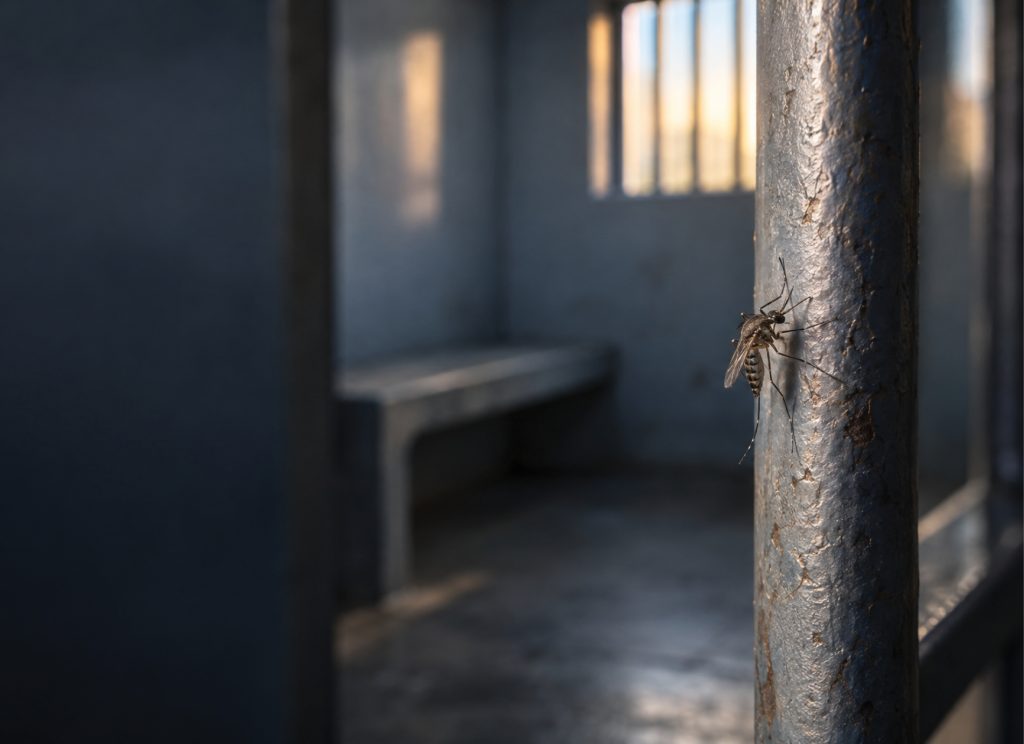
In Eswatini, Sifiso Zwane, a man convicted of drink-driving, recently pleaded for leniency before Magistrate Justice Mzizi at the Manzini Magistrate’s Court, claiming he was severely bitten by mosquitoes during his detention in police cells. This plea, made after his conviction for driving under the influence, highlights not only the judicial process for traffic offenses but also raises ancillary concerns regarding the conditions of detention within the kingdom's police facilities. The outcome of his leniency plea is not reported in the excerpt.
This situation carries legal significance beyond the immediate drink-driving offense, particularly for human rights advocates and legal practitioners involved in criminal defense. While the primary focus of the court was the traffic violation, the claim about inhumane detention conditions introduces a potential constitutional and administrative law dimension. Such allegations can prompt scrutiny of police custody standards, potentially leading to investigations, policy reviews, or even civil claims against the state for breaches of fundamental rights, such as the right to humane treatment and dignity during detention.
The legal context for this case involves Eswatini's Road Traffic Act, which criminalizes drink-driving, and the Constitution of Eswatini, which guarantees fundamental human rights, including protection from inhuman or degrading treatment. Regulations governing police custody and correctional facilities would also be relevant in assessing the conditions described. The Manzini Magistrate’s Court, as a lower court, has jurisdiction over such criminal offenses. The key parties involved are Sifiso Zwane, Magistrate Justice Mzizi, the Manzini Magistrate’s Court, and implicitly, the Royal Eswatini Police Service responsible for the detention facilities.
Practitioners representing clients in criminal matters, especially those involving detention, should be acutely aware of the standards for police cells and correctional facilities in Eswatini. It is crucial to document any complaints regarding detention conditions promptly and to be prepared to raise these issues as part of mitigation during sentencing or as grounds for separate legal action. This case serves as a reminder that even in seemingly straightforward criminal proceedings, broader issues concerning human rights and state accountability can emerge, requiring a comprehensive legal approach. Attorneys should advise clients on their rights while in custody and the proper channels for reporting grievances.
How does this affect you?
Get an AI analysis of this article grounded in your jurisdictions, practice areas, and any policy documents you've uploaded to Wansom.
Finish Reading the Full Story and the Expert Analysis.
Get the latest legal & regulatory intelligence in Eswatini
Wansom is AI and can make mistakes.