
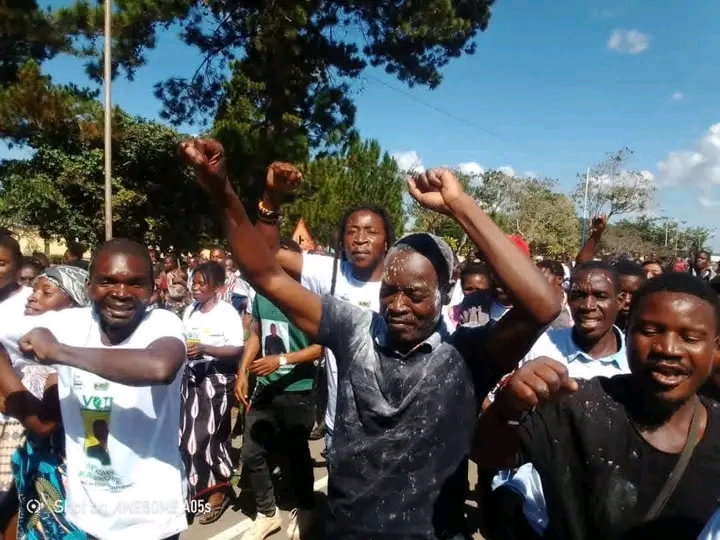
WHY THE MANSA HIGH COURT DECLARED KASANDWE DULY ELECTED WITHOUT A BY-ELECTION
Summary
- The Mansa High Court declared Anthony Kasandwe as the duly elected representative for the Bangweulu constituency.
- This ruling overturned the previous election of Happy Mampa.
- The court's decision meant that a by-election in Bangweulu was avoided.
- The outcome hinged on the legal distinction between an election being declared "void" and a candidate being found "duly elected."
The Mansa High Court Ruling
Lawyers must meticulously analyze the grounds for an election challenge, understanding that proving an election was "void" due to widespread irregularities might lead to a new poll, while demonstrating that their client was "duly elected" despite initial miscounts or errors could result in direct installation.
The Mansa High Court recently delivered a significant judgment concerning the Bangweulu constituency election, declaring Anthony Kasandwe as the duly elected representative. This decision effectively overturned the previous election outcome, which had seen Happy Mampa initially declared the winner. Crucially, the court's ruling specified that Kasandwe was "duly elected," a determination that carries profound implications for the electoral process.
This particular judgment meant that the Bangweulu constituency would not be subjected to a by-election, a common consequence when electoral results are challenged and invalidated. Instead, the court's finding directly installed Kasandwe into the office, bypassing the need for a fresh poll. The distinction drawn by the court in this instance highlights a critical nuance within electoral law regarding the resolution of disputed elections.
Understanding the Legal Nuance
The core reason behind the avoidance of a by-election in the Bangweulu case lies in a fundamental legal distinction: whether an election is merely declared "void" or if another candidate is found to have been "duly elected." When a court declares an election "void," it typically signifies that the electoral process itself was so flawed or irregular that no legitimate winner can be determined from the original poll. Such a declaration usually necessitates a fresh election to allow voters to cast their ballots again under rectified conditions.
Conversely, a declaration that a candidate was "duly elected" means the court has determined, based on the evidence presented, that despite any irregularities or errors in the initial count or process, a specific challenger actually secured the legitimate majority of votes. In such scenarios, the court essentially corrects the record, affirming the true winner of the original election. This finding directly installs the rightful candidate without requiring a new electoral contest, as the original mandate is deemed to have been correctly identified, albeit belatedly.
Impact on Bangweulu and Precedent
For the Bangweulu constituency, the Mansa High Court's decision to declare Anthony Kasandwe duly elected had an immediate and definitive impact. It resolved the electoral dispute by confirming a winner from the original ballot, thereby precluding the logistical and financial demands of organizing a new election. This outcome provides clarity and finality to the representation of the constituency without further delay.
This ruling also establishes a notable Zambia election petition precedent, particularly for how courts interpret and apply electoral law in cases of disputed results. It underscores the judiciary's power to not only invalidate flawed elections but also to affirm the rightful victor when sufficient evidence supports such a finding. This distinction is vital for legal practitioners and political entities navigating the complexities of election petitions.
Implications for Electoral Law
The Mansa High Court Kasandwe election ruling offers crucial insights for legal professionals advising political clients or involved in election petitions. It emphasizes the critical difference between an election being declared "void" and a challenger being deemed "duly elected." This distinction is not merely semantic; it directly dictates whether a by-election is triggered or if the challenger immediately assumes office, as demonstrated in the Bangweulu case.
Lawyers must meticulously analyze the grounds for an election challenge, understanding that proving an election was "void" due to widespread irregularities might lead to a new poll, while demonstrating that their client was "duly elected" despite initial miscounts or errors could result in direct installation. This ruling serves as a clear reminder that the specific relief sought and the evidence presented in an election petition are paramount in determining the ultimate outcome and avoiding or necessitating a by-election.
Practical Implications
Lawyers advising political clients or involved in election petitions must understand the critical distinction between an election being declared 'void' and a challenger being 'duly elected', as this directly impacts whether a by-election is triggered or if the challenger immediately assumes office. This ruling provides a precedent for interpreting such outcomes in Zambian electoral law.
Source
How does this affect you?
Get an AI analysis of this article grounded in your jurisdictions, practice areas, and any policy documents you've uploaded to Wansom.
Finish Reading the Full Story and the Expert Analysis.
Get the latest legal & regulatory intelligence in Zambia
Wansom is AI and can make mistakes.