
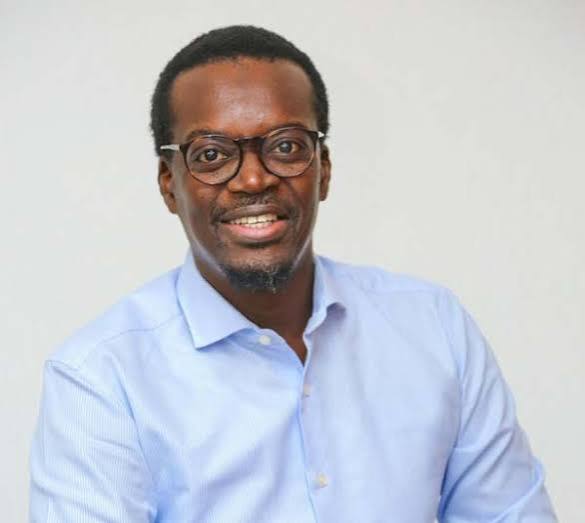
Mamadou Kassé: Tambacounda Groups Demand Mandate Restitution After APR Defection
Summary
- Mamadou Kassé, President of the Conseil départemental, officially left the Alliance pour la République (APR) in September 2026.
- Kassé announced his resignation from the APR, but his new party affiliation was not specified at that time. Kiiraay – Les patriotres républicains is the new party of current President Diomaye Faye.
- Youth and women groups in Tambacounda announced on September 19 their intention to demand Kassé return the mandate he obtained under the APR.
- This dispute follows an August 24, 2026 meeting where a communal secretary general called for a political framework around Kassé.
- The controversy raises questions about party mandates and elected official allegiance ahead of the 2027 elections.
Political Figure's Party Switch Ignites Mandate Controversy
This situation could signal emerging legal challenges or interpretations regarding the rights of political parties to reclaim mandates from elected officials who switch allegiance, potentially impacting electoral law and party discipline in Senegal.
Mamadou Kassé, who holds the influential position of President of the Conseil départemental, has recently become the focal point of a significant political controversy in Tambacounda. His decision to change political allegiance has directly triggered calls from local community groups for the restitution of his electoral mandate. This "Mamadou Kassé mandate restitution Tambacounda" issue underscores a growing tension between party loyalty and individual political movement.
In a pivotal move in September 2026, Kassé formally disassociated himself from the Alliance pour la République (APR), the political entity originally founded by former president Macky Sall. Shortly thereafter, he announced his resignation from the APR, though he did not specify his future political affiliation at that time. Kiiraay – Les patriotres républicains is a recently established political party led by the current head of state, Diomaye Faye. This "Mamadou Kassé APR Kiiraay defection" has set the stage for the current dispute.
Local Groups Demand Mandate Restitution
Following this high-profile political shift, various youth and women's organizations within Tambacounda have collectively declared their intention to actively pursue the recovery of Mamadou Kassé's mandate. These groups explicitly stated, on the evening of September 19, that they plan to visit the Conseil départemental offices. Their objective is to formally request that Kassé relinquish the mandate he originally secured while representing the APR.
This public announcement of the groups' intent to demand the mandate's return was initially brought to light by pressafrik, a local media outlet. The information was subsequently amplified and relayed across the digital platform of the Takku Wallu Sénégal group, further broadening awareness of the "Tambacounda political mandate dispute." The collective action highlights a grassroots effort to hold elected officials accountable for their party affiliations.
The Trajectory of a Political Defection
The core of the present controversy, centered on the demand for "Mamadou Kassé mandate restitution Tambacounda," is inextricably linked to his recent political re-alignment. His departure from the Alliance pour la République, the party under whose banner he was elected, and his subsequent political moves, represent a significant "Senegal elected official party switch." This move has directly fueled the calls for him to return the mandate associated with his original party.
This development also follows a notable political event that occurred on August 24, 2026, in Tambacounda. On that date, a gathering of militants and sympathizers associated with Mamadou Kassé took place. During this assembly, Ousmane Ndiaye, who holds the position of secretary general for the communal section, publicly advocated for the creation of a structured political framework specifically designed around Mamadou Kassé. This earlier call for consolidation around Kassé now takes on new meaning in light of his defection and the subsequent mandate dispute.
Implications for Senegal's Political Landscape
The unfolding situation surrounding Mamadou Kassé's mandate presents a crucial test case that could have far-reaching implications for Senegal's electoral and party political landscape. This scenario could potentially give rise to novel legal interpretations or challenges concerning the inherent rights of political parties to reclaim mandates from elected officials who choose to switch their allegiances. Such an outcome would inevitably influence existing electoral law and the mechanisms of party discipline across the nation.
The demand for "Mamadou Kassé mandate restitution Tambacounda," particularly given his role as President of the Conseil départemental, raises fundamental questions about the ownership of electoral victories and the accountability of elected representatives to their original political platforms. Lawyers advising political parties or elected officials should closely monitor this evolving situation for any precedents that might emerge regarding mandate retention. The broader political context is further highlighted by Deputy Abdou Mbow's recent visit to Tambacounda, where he sought to remobilize his own party's forces in anticipation of the upcoming 2027 electoral deadlines, underscoring the heightened stakes involved in such political realignments.
Practical Implications
This situation could signal emerging legal challenges or interpretations regarding the rights of political parties to reclaim mandates from elected officials who switch allegiance, potentially impacting electoral law and party discipline in Senegal. Lawyers advising political parties or elected officials should monitor this for precedents on mandate retention.
Source
How does this affect you?
Get an AI analysis of this article grounded in your jurisdictions, practice areas, and any policy documents you've uploaded to Wansom.
Finish Reading the Full Story and the Expert Analysis.
Get the latest legal & regulatory intelligence in Senegal
Wansom is AI and can make mistakes.