
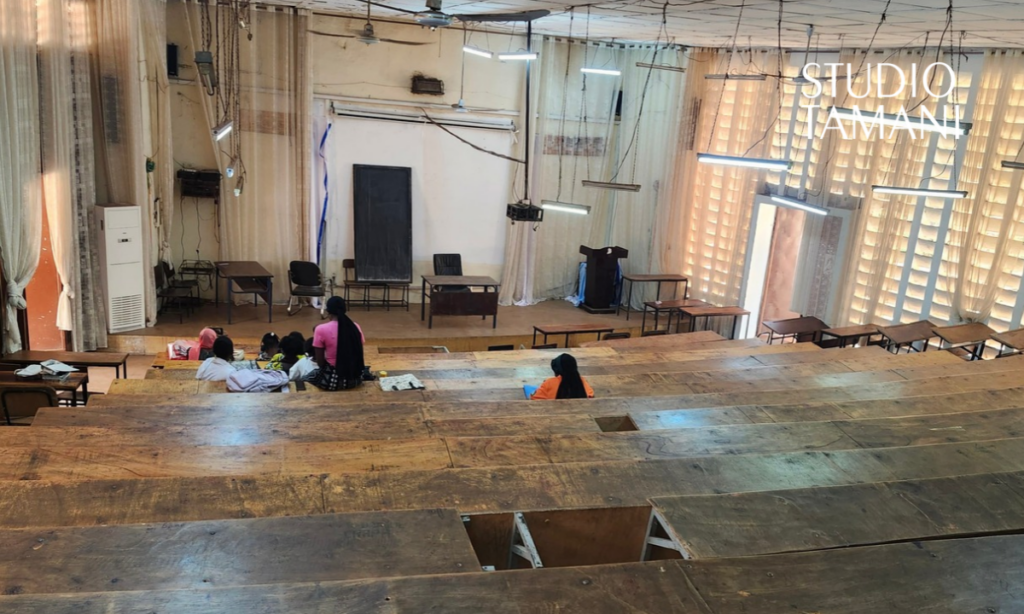
Mali: SNESUP Research Bonus Strike Continues; FENAPEM Urges Dialogue
Summary
- Malian teacher-researchers, represented by the SNESUP union, engaged in a five-day strike from October 26 to October 30, 2026.
- The primary demand of the strike was the payment of an outstanding research bonus.
- As of October 30, 2026, no compromise had been reached between SNESUP and the Malian government regarding the research bonus.
- The National Federation of Parents and Students Associations of Mali (FENAPEM) expressed concern over the dispute.
- FENAPEM urged both the union and the government to engage in dialogue to find a resolution.
Malian Teacher-Researchers Maintain Month-Long Strike
The prolonged absence of a resolution between the union and the Malian government has prompted significant concern from parent and student organizations across the nation.
Teacher-researchers across Mali, represented by the SNESUP union, engaged in a five-day strike from October 26 to October 30, 2026, significantly impacting the nation's educational landscape. This industrial action, spearheaded by the SNESUP union, stemmed from an unresolved dispute over the payment of a crucial research bonus. This work stoppage underscored a deep-seated grievance within the academic community, as these educators and scholars pressed for the fulfillment of their financial entitlements.
As of October 30, 2026, a definitive resolution to the dispute over the research bonus remained elusive. Negotiations between the SNESUP union and the Malian government had yet to yield a compromise, leaving the core demand for the research bonus unmet. This stalemate created uncertainty for students and the broader academic environment, as the absence of teacher-researchers affected both instruction and scholarly pursuits.
Escalating Concerns Amidst Unresolved Negotiations
The persistent lack of agreement between the striking SNESUP members and the Malian government had begun to draw wider attention and concern from key stakeholders. The National Federation of Parents and Students Associations of Mali, known as FENAPEM, publicly voiced its apprehension regarding the situation. This prominent organization, representing the interests of families and learners, viewed the labor dispute as a serious impediment to educational continuity and stability.
The absence of a resolution between the union and the Malian government prompted significant concern from parent and student organizations across the nation. In response to the impasse, FENAPEM issued a direct appeal to both the SNESUP union and the government. The federation urged both parties to engage in constructive dialogue, emphasizing the critical need for a swift and amicable resolution to the dispute. Their call highlighted the growing pressure on the negotiating parties to find common ground and bring an end to the strike, thereby mitigating further disruption to the Malian education sector.
Impact on Mali's Education Sector
The SNESUP grève Mali, which concluded on October 30, 2026, carried significant implications for the country's higher education and research institutions. The absence of teacher-researchers from their duties directly affected academic programs, research initiatives, and the overall learning experience for students. This disruption not only delayed academic progress but also posed challenges to Mali's capacity for innovation and knowledge production, which are vital for national development.
The Malian government labor dispute with its teacher-researchers, centered on the research bonus, reflects broader issues within public sector compensation and labor relations. The FENAPEM call dialogue Mali underscores the public's desire for stability and the prioritization of education. A prolonged strike could erode trust between educational staff, government, and the public, potentially setting precedents for future labor actions within the Mali education sector strike landscape, making a timely resolution paramount for all involved parties.
Practical Implications
Lawyers advising educational institutions, government bodies, or businesses with operations in Mali should monitor the ongoing SNESUP strike for potential impacts on labor relations, contractual obligations, and operational continuity. This dispute underscores the importance of proactive industrial relations management and timely resolution of employee grievances to mitigate risks of prolonged disruptions.
Source
How does this affect you?
Get an AI analysis of this article grounded in your jurisdictions, practice areas, and any policy documents you've uploaded to Wansom.
Finish Reading the Full Story and the Expert Analysis.
Get the latest legal & regulatory intelligence in Mali
Wansom is AI and can make mistakes.