
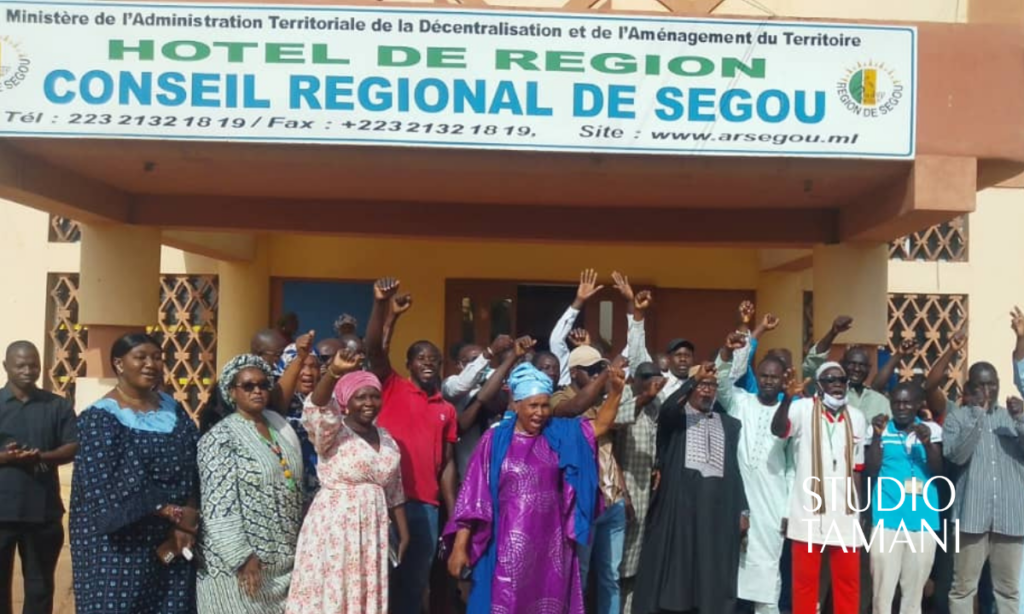
Ségou Regional Council: Employees Protest 3 Months of Unpaid Salaries
Summary
- Employees of the Ségou Regional Council staged a sit-in protest on Monday, November 9, 2026.
- The demonstration was held in the council's courtyard to demand payment of three months of overdue salaries.
- Union officials confirmed that workers have not received their wages for a quarter of a year.
- The protesting staff intends to organize further actions if their demands are not met.
- This incident was initially reported by Studio Tamani.
Unpaid Wages Spark Protest in Ségou
According to statements from union representatives, the workers have not received their wages for a period of three months.
On Monday, November 9, 2026, employees of the Ségou Regional Council initiated a sit-in protest within the council's premises. This collective action was undertaken to draw attention from authorities and to press for the payment of outstanding salaries. According to statements from union representatives, the workers have not received their wages for a period of three months.
The demonstration took place in the courtyard of the administrative structure, serving as a direct appeal to management and government officials regarding the severe financial hardship faced by the staff. This public display of discontent underscores a critical issue concerning the timely remuneration of public sector employees in the region. The workers' representatives have indicated that further organized actions are being considered should their demands remain unaddressed.
Context of Public Sector Remuneration
The incident at the Ségou Regional Council highlights a recurring challenge within Mali's public sector regarding the consistent and timely disbursement of employee wages. Public sector workers, including those at regional administrative bodies like the Conseil régional Ségou, rely on these payments for their livelihoods and to support their families. Delays of this magnitude can lead to significant financial distress, impacting not only the individuals but also the local economy.
Such a prolonged delay in salary payments, as reported by union officials, raises questions about financial management and adherence to labor agreements within government institutions. The expectation for public employees is that their compensation will be provided regularly, as stipulated by their employment terms. This situation could be indicative of broader systemic issues affecting Mali government employee wages across various regional councils or departments.
Implications for Regional Governance
The sit-in by Ségou Regional Council staff carries significant implications for regional governance and industrial relations. When employees resort to public protest over basic entitlements like salaries, it can erode trust in administrative bodies and potentially disrupt public services. The council's ability to effectively carry out its mandate is intrinsically linked to the morale and financial stability of its workforce.
This specific Mali public sector labor dispute could set a precedent for how similar grievances are handled in other regions or by other government entities. It underscores the importance of robust financial oversight and transparent communication channels between employers and employees to prevent such escalations. The workers' resolve to organize further actions suggests a deep-seated frustration that could lead to more widespread industrial unrest if not resolved promptly.
The Path Forward for Employees
Faced with three months of unpaid salaries, the employees of the Ségou Regional Council are contemplating additional measures beyond the initial sit-in. Union leaders have communicated that the workers are prepared to escalate their demands if the current situation persists. This stance reflects a growing determination among the staff to secure their rightful compensation through continued advocacy and organized pressure.
The ongoing situation, first reported by Studio Tamani Ségou news, emphasizes the critical need for immediate intervention from relevant authorities to resolve the salary arrears. The outcome of this dispute will likely be closely watched by other public sector employees in Mali, as it could influence future labor relations and the enforcement of wage payment regulations across the country.
Practical Implications
This incident highlights potential labor law non-compliance and industrial relations risks within Mali's public sector, specifically concerning timely wage payments. Lawyers advising regional councils or public sector unions in Mali should monitor such disputes for precedents regarding employee rights, collective bargaining, and potential legal actions for wage recovery or unfair labor practices.
Source
How does this affect you?
Get an AI analysis of this article grounded in your jurisdictions, practice areas, and any policy documents you've uploaded to Wansom.
Finish Reading the Full Story and the Expert Analysis.
Get the latest legal & regulatory intelligence in Mali
Wansom is AI and can make mistakes.