
Mali: Sikasso Journalists Deepen Mali Press Collective Agreement Knowledge
Summary
- Journalists and media professionals in Sikasso recently participated in an exchange and reflection day.
- The event, organized by the local coordination of the Union des journalistes reporters du Mali, focused on the press collective agreement.
- Approximately twenty individuals attended to strengthen their understanding of their rights and the agreement's provisions.
- The initiative aims to enhance knowledge of Mali media labor law and empower journalists regarding their employment terms.
Event Focus in Sikasso
As journalists become more conversant with the specifics of their collective agreement, there is an anticipated rise in inquiries and discussions concerning compliance with established labor standards.
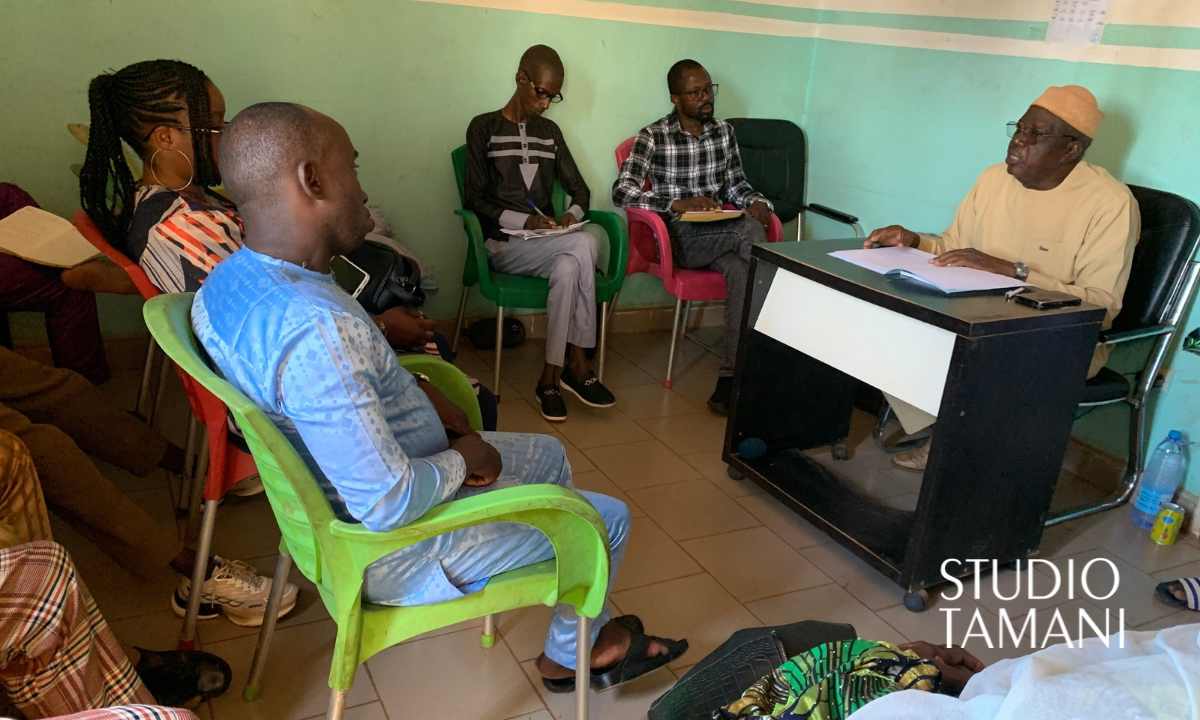
Journalists and media professionals in Sikasso recently convened for a dedicated session focused on the Mali press collective agreement. This event, described as an exchange and reflection day, was orchestrated by the local coordination of the Union des journalistes reporters du Mali (UJRM). Approximately twenty individuals from the media sector participated in the gathering, which took place over the past weekend. The primary objective of the session was to enhance participants' understanding of the existing collective agreement governing the press in Mali. By delving into the specifics of this crucial document, attendees aimed to strengthen their knowledge regarding the various rights and provisions it outlines, thereby fostering a more informed professional community.
Understanding Collective Bargaining
The initiative in Sikasso underscores the vital role of collective agreements within Mali media labor law. A collective agreement serves as a legally binding contract between employers and a union representing employees, establishing standardized terms and conditions of employment across an industry or sector. For the press, this document typically covers a wide array of issues, including minimum wages, working hours, benefits, professional development opportunities, and procedures for addressing grievances. A thorough understanding of the Mali press employment law, as articulated in such an agreement, is crucial for journalists to ensure fair treatment and uphold their professional standards.
The Union des journalistes reporters du Mali, through its coordination in Sikasso, actively facilitates this educational process. By organizing events like the recent exchange day, the UJRM empowers its members to better comprehend their entitlements and obligations. This proactive engagement is fundamental for asserting Sikasso journalists rights and promoting equitable practices within the local media landscape, reflecting a broader commitment to strengthening Mali collective bargaining press efforts.
Implications for Media Professionals
The focused attention on the Mali press collective agreement Sikasso signals a heightened awareness among local media professionals regarding their employment conditions and legal protections. Such educational initiatives are pivotal in ensuring that journalists are not only aware of their rights but also understand the mechanisms available for their enforcement. This increased knowledge base can lead to more informed negotiations with employers and a greater capacity to identify and address potential breaches of the agreement.
Furthermore, this development carries significant implications for media organizations operating within Mali. As journalists become more conversant with the specifics of their collective agreement, there is an anticipated rise in inquiries and discussions concerning compliance with established labor standards. Employers in the media sector are thus encouraged to review their practices to ensure full alignment with the Mali media labor law and the provisions outlined in the press collective agreement, fostering a more transparent and equitable working environment across the nation's press.
Practical Implications
This development signals increased awareness among Malian journalists regarding their collective bargaining rights and the specifics of the press collective agreement. Lawyers advising media organizations in Mali should anticipate potential inquiries or challenges related to employment terms and ensure their clients' practices are fully compliant with the existing collective agreement.
Source
How does this affect you?
Get an AI analysis of this article grounded in your jurisdictions, practice areas, and any policy documents you've uploaded to Wansom.
Finish Reading the Full Story and the Expert Analysis.
Get the latest legal & regulatory intelligence in Mali
Wansom is AI and can make mistakes.