
Mali Journalists Review Press Collective Bargaining Agreement
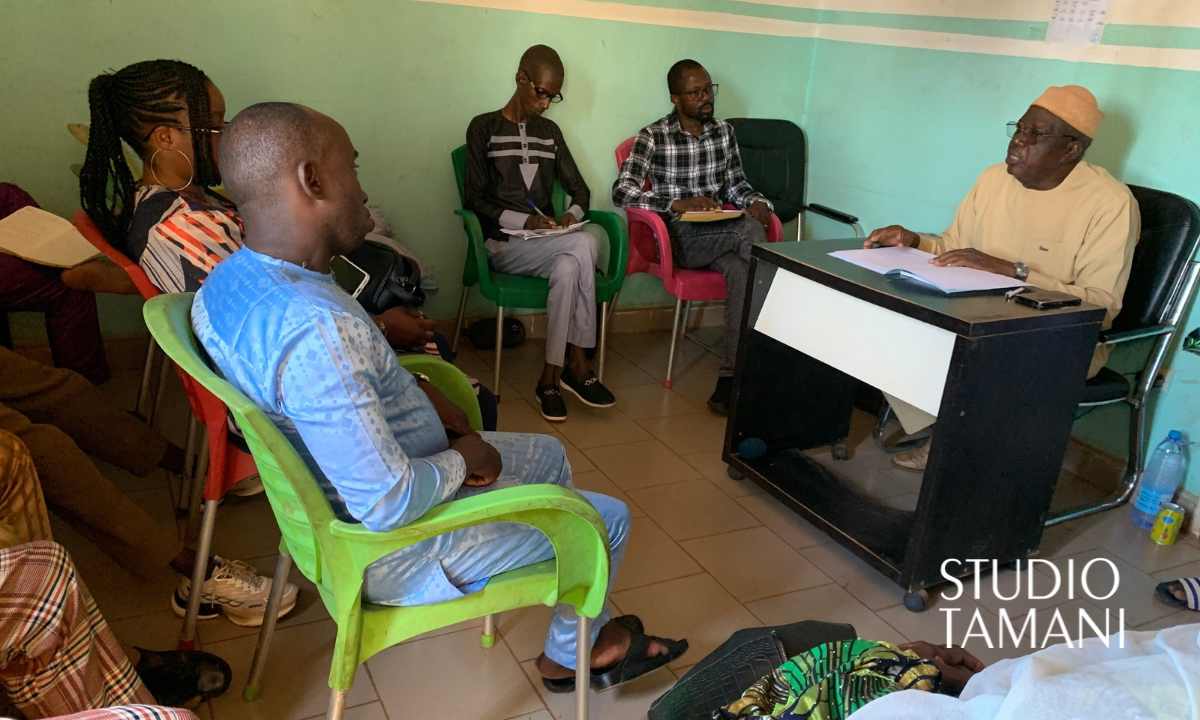
Journalists in Sikasso, Mali, recently participated in a workshop to enhance their understanding of the collective bargaining agreement for the press sector.
This one-day exchange and reflection session was organized by the coordination of the Union des journalistes reporters du Mali (Union of Reporter Journalists of Mali) in Sikasso. Approximately twenty journalists and media professionals attended the event, which aimed to deepen their knowledge of their rights and obligations as stipulated in the collective agreement governing their profession. The initiative underscores a proactive effort to empower media workers through legal literacy.
This initiative is legally significant as it highlights the ongoing efforts within the Malian media sector to ensure professionals are aware of and can assert their labor rights. For legal practitioners, it underscores the critical importance of collective bargaining agreements (CBAs) in defining employment terms and conditions, particularly in specialized sectors like journalism. A more informed workforce can lead to increased scrutiny of employer practices, potentially resulting in more robust negotiations or, if rights are perceived to be violated, an uptick in labor disputes.
The legal framework in Mali governing labor relations is primarily rooted in the Malian Labour Code (Code du Travail), which provides for the right to organize, collective bargaining, and the establishment of collective agreements. These agreements, once signed and registered, acquire the force of law for the parties they cover, often supplementing or improving upon the minimum standards set by national legislation. The Union des journalistes reporters du Mali operates within the framework of freedom of association and trade union rights, guaranteed by the Malian Constitution and international labor conventions ratified by Mali. The key parties involved are the Union des journalistes reporters du Mali as the organizing body, and the participating journalists and media professionals in Sikasso.
Attorneys advising media organizations or individual journalists in Mali should be well-versed in the specific provisions of the collective bargaining agreement for the press sector, as well as the broader Malian Labour Code. Employers in the media industry should anticipate a more informed workforce regarding their rights and be prepared to comply rigorously with the terms of the CBA. Legal professionals should also monitor similar educational initiatives by other unions, as they often precede increased scrutiny of employer practices and potential demands for improved working conditions or compliance.
How does this affect you?
Get an AI analysis of this article grounded in your jurisdictions, practice areas, and any policy documents you've uploaded to Wansom.
Finish Reading the Full Story and the Expert Analysis.
Get the latest legal & regulatory intelligence in Mali
Wansom is AI and can make mistakes.