
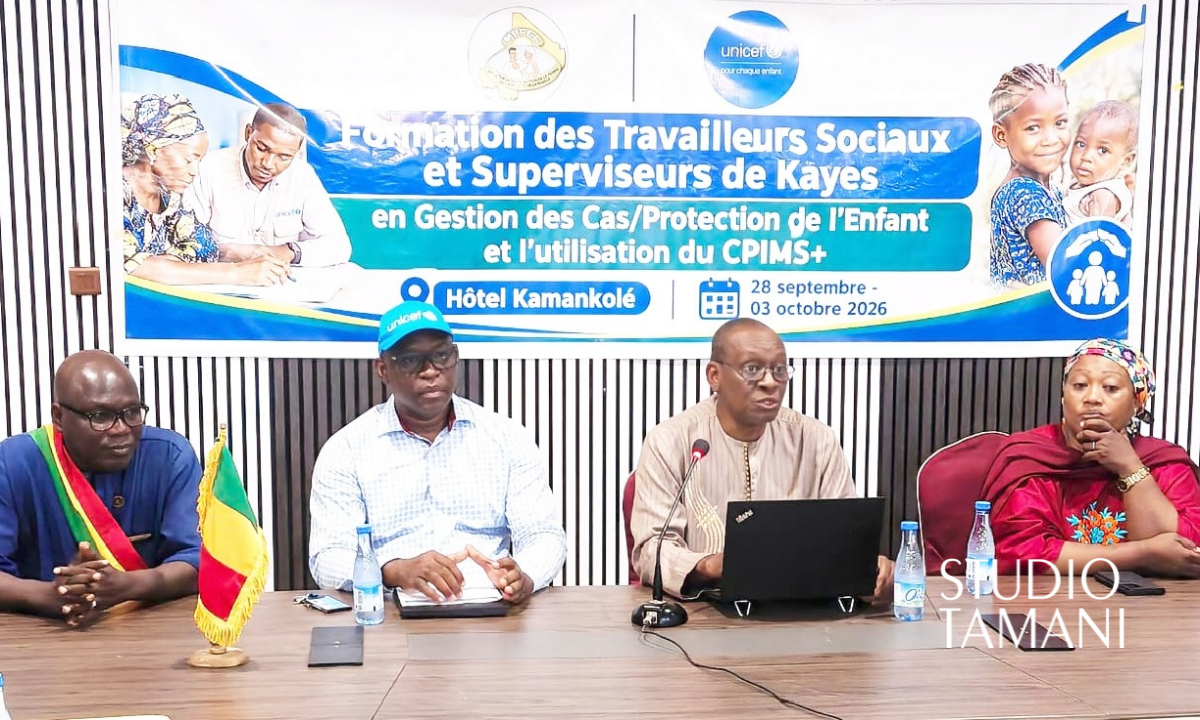
Kayes Officials Train on Child Protection Management
In Kayes, Mali, social workers and supervisors recently commenced a five-day training program aimed at enhancing their skills in child protection.
The training, which began on Monday, September 28, was organized by the Regional Directorate for the Promotion of Women, Children, and the Family (Direction Régionale de la Promotion de la Femme, de l’Enfant et de la Famille). The curriculum specifically addresses the management of child protection cases, indicating a focus on practical application, procedural adherence, and the effective handling of sensitive situations involving vulnerable children. This initiative represents a concerted effort to bolster the capabilities of frontline child protection personnel.
This initiative is critically important for strengthening the child protection system in Mali, a country where vulnerable children often face significant challenges. By upskilling social workers and supervisors, the program aims to improve the identification, reporting, and management of child protection issues, ensuring better adherence to national and international standards. For legal practitioners, this signifies a potential increase in child protection cases brought before the courts or administrative bodies, as well as a heightened expectation for legal professionals to be proficient in child rights law, family law, and juvenile justice. It also highlights the government's commitment to fulfilling its obligations under various child rights conventions.
Child protection in Mali is governed by a combination of national laws and international conventions. Key national instruments include the Malian Child Code (Code de l'Enfant), which outlines the rights of children and the responsibilities of the state, parents, and guardians, as well as provisions within the Malian Penal Code addressing offenses against children. Mali is also a signatory to international instruments such as the United Nations Convention on the Rights of the Child (UNCRC) and the African Charter on the Rights and Welfare of the Child, which impose obligations on the state to protect children from all forms of abuse, neglect, and exploitation. The training likely covers reporting mechanisms, intervention protocols, and collaboration with judicial authorities. The key parties involved are the social workers and supervisors in Kayes, and the organizing body, the Direction Régionale de la Promotion de la Femme, de l’Enfant et de la Famille.
Attorneys practicing family law, juvenile justice, or human rights in Mali should take note of this enhanced focus on child protection. They should anticipate a more robust and procedurally aware social work force, potentially leading to more referrals, better-documented cases, and a greater emphasis on children's best interests in legal proceedings. Legal professionals should ensure their knowledge of the Malian Child Code, relevant penal provisions, and international child rights instruments is current. Furthermore, understanding the operational procedures and mandates of the Direction Régionale de la Promotion de la Femme, de l’Enfant et de la Famille will be crucial for effective collaboration and advocacy in child protection matters.
How does this affect you?
Get an AI analysis of this article grounded in your jurisdictions, practice areas, and any policy documents you've uploaded to Wansom.
Finish Reading the Full Story and the Expert Analysis.
Get the latest legal & regulatory intelligence in Mali
Wansom is AI and can make mistakes.