
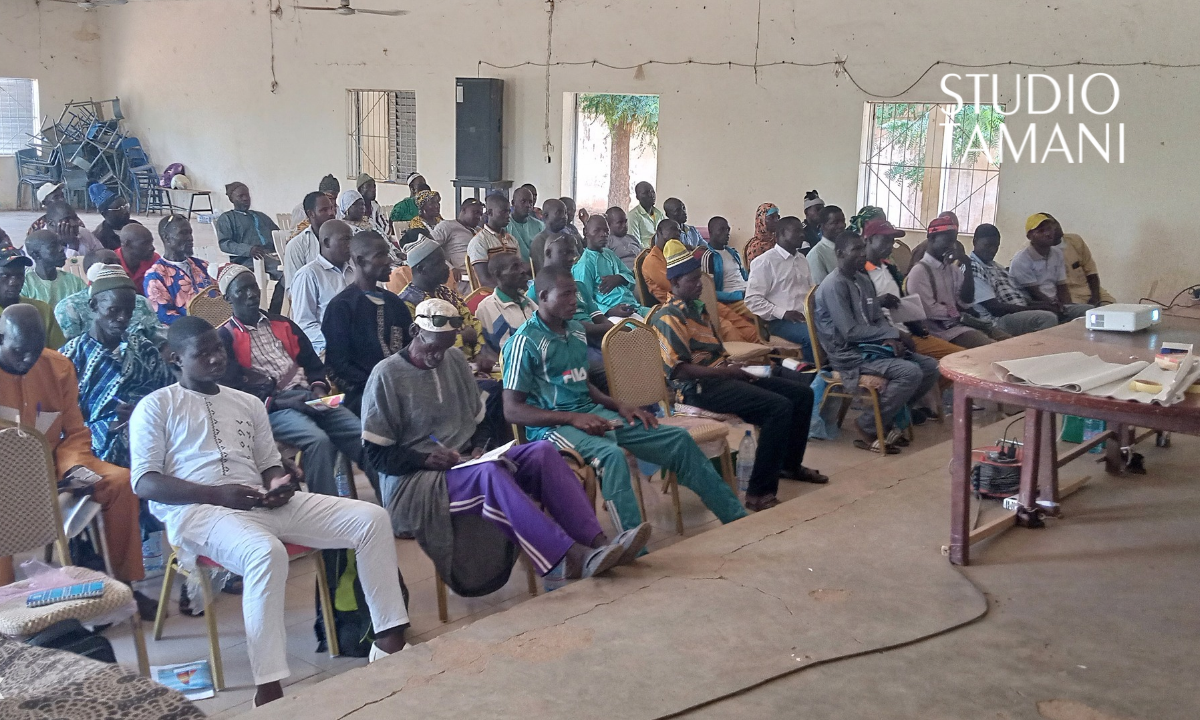
Mali Farmers Receive Legal Training on Organizational Governance
In San, Mali, approximately sixty leaders of farmers' organizations and cooperatives recently completed a two-day training session focused on the legal texts governing their structures.
The training, which concluded on September 25, brought together participants from various localities including San, Souroutouna, Kava, Kaniegué, and Waki. The discussions primarily centered on the functioning of farmers' organizations, indicating a concerted effort to enhance legal literacy and operational understanding among agricultural leaders. This educational outreach aims to equip these leaders with the knowledge necessary to navigate the legal landscape pertinent to their collective entities.
This initiative is crucial for strengthening governance and compliance within Mali's agricultural sector, which forms a significant pillar of the national economy. By educating leaders of farmers' organizations and cooperatives on their legal frameworks, it aims to improve their operational efficiency, transparency, and ability to engage effectively with legal and regulatory bodies. For legal professionals, this signifies a growing demand for specialized legal services in rural areas, particularly concerning cooperative law, land rights, and agricultural regulations. It also suggests a potential for better-structured legal disputes or, conversely, improved compliance reducing the incidence of preventable legal issues.
The legal context for farmers' organizations and cooperatives in Mali is multifaceted, drawing from national legislation on associations, cooperatives, and agricultural land tenure. Key instruments would include the Malian Cooperative Law (Loi sur les Coopératives), which defines the legal status, formation, and operation of cooperatives, and potentially aspects of the Rural Code (Code Rural) concerning land use and agricultural practices. These organizations also operate within the broader framework of civil law and contract law, particularly when engaging in commercial activities or entering into agreements. The training likely covered aspects of internal governance, member rights, financial management, and compliance with reporting requirements. The key parties involved are the leaders of farmers' organizations and cooperatives from the specified localities; the organizing body is not explicitly named in the excerpt.
Attorneys advising agricultural enterprises, cooperatives, or NGOs working in rural development in Mali should recognize the increasing legal awareness among farmer leaders. This implies a need for clear, accessible legal advice on cooperative governance, contractual agreements, land rights, and regulatory compliance. Legal professionals should prepare for more sophisticated inquiries from these organizations and consider offering specialized training or legal aid services tailored to the agricultural sector's unique needs. Understanding the specific legal texts governing these structures will be paramount for effective representation and proactive legal counsel.
How does this affect you?
Get an AI analysis of this article grounded in your jurisdictions, practice areas, and any policy documents you've uploaded to Wansom.
Finish Reading the Full Story and the Expert Analysis.
Get the latest legal & regulatory intelligence in Mali
Wansom is AI and can make mistakes.