
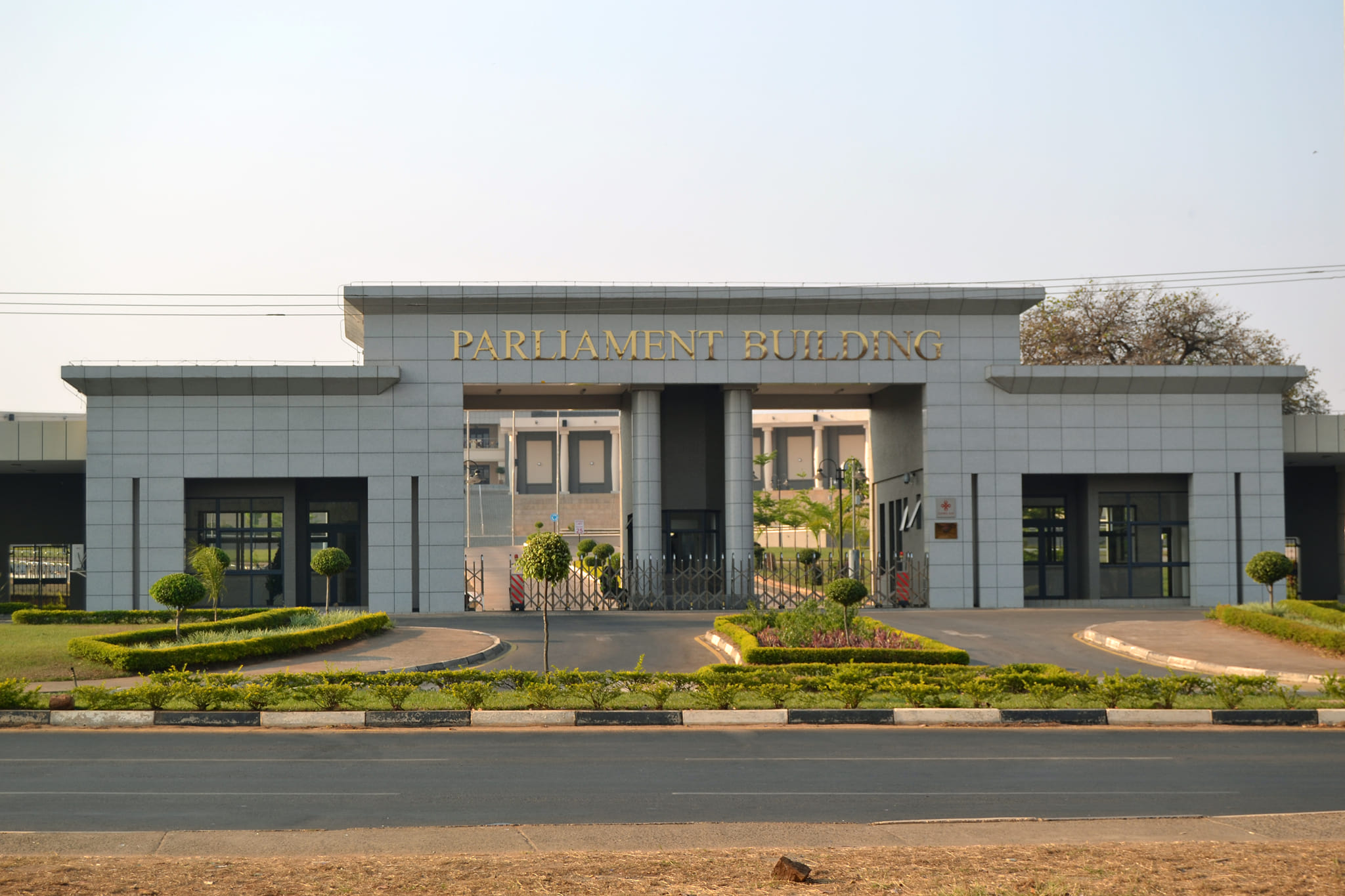
Malawi Parliament: Demands Financial Autonomy for Stronger Oversight
Summary
- Malawi's Parliament is actively seeking greater financial autonomy from the Executive branch.
- This push stems from the belief that reliance on central government funding hinders Parliament's ability to scrutinize and hold the Executive accountable.
- Speaker Sameer Suleman first championed this issue in March, and it resurfaced yesterday with support from the Parliamentary Legal Affairs Committee.
- The move is seen as essential for strengthening legislative oversight and upholding the separation of powers within Malawi's governance structure.
The Push for Fiscal Independence
A legislature with genuine financial independence is better positioned to act as a check on executive power, fostering greater transparency and accountability in public administration.
Malawi's legislative body is actively advocating for enhanced fiscal independence from the Executive branch, a move aimed at strengthening its constitutional mandate. The central argument underpinning this demand is that the current reliance on central government allocations significantly impedes Parliament's capacity to robustly oversee and ensure accountability from the Executive. This push for greater Malawi Parliament financial autonomy is seen as crucial for maintaining the integrity of the nation's democratic institutions.
This long-standing concern, initially championed by Speaker of Parliament Sameer Suleman in March, gained renewed prominence yesterday. The Parliamentary Legal Affairs Committee explicitly voiced its support for the legislature to exercise greater control over its own finances. This recent intervention underscores the persistent belief within parliamentary circles that true legislative oversight requires a financial framework that is not subject to potential influence or constraint from the very branch it is tasked with scrutinizing.
Undermining Oversight and Accountability
The core contention articulated by Parliament is that its financial dependence on the Executive creates an inherent conflict of interest, potentially undermining its ability to fulfill its constitutional duties. When the legislature's operational budget and resources are controlled by the central government, its capacity to conduct thorough investigations, commission independent reports, and effectively scrutinize government spending and policy can be compromised. This situation directly impacts the effectiveness of Malawi Executive oversight finances.
Proponents of Malawi parliamentary financial independence argue that a truly independent legislature requires the means to fund its operations, staff, and research without external influence. The current arrangement, where central government funding dictates the financial parameters of parliamentary functions, is viewed as a structural weakness that can dilute the separation of powers. This ongoing debate highlights critical questions about the balance of power within Malawi's governance structure and the practical implications of legislative financial constraints.
Implications for Governance and Rule of Law
The drive for Malawi Parliament financial autonomy carries significant implications for the nation's constitutional governance and the broader rule of law. A legislature with genuine financial independence is better positioned to act as a check on executive power, fostering greater transparency and accountability in public administration. This development signals an ongoing push for stronger legislative oversight in Malawi, which legal professionals and compliance officers should closely monitor.
The renewed emphasis by the Parliamentary Legal Affairs Committee on gaining greater control over finances suggests a concerted effort to empower the legislative branch. This move is not merely about administrative convenience but fundamentally about strengthening the Malawi separation of powers. Ensuring that Parliament has the necessary resources, free from executive influence, is critical for it to effectively scrutinize government actions, manage public finance legislation, and ultimately uphold democratic principles.
Practical Implications
This development signals an ongoing push for stronger legislative oversight in Malawi, which lawyers and compliance officers should monitor for potential implications on constitutional governance, public finance legislation, and the balance of power between the Executive and Parliament.
Source
How does this affect you?
Get an AI analysis of this article grounded in your jurisdictions, practice areas, and any policy documents you've uploaded to Wansom.
Finish Reading the Full Story and the Expert Analysis.
Get the latest legal & regulatory intelligence in Malawi
Wansom is AI and can make mistakes.