
Malawi Parliament: Airtel TNM Crash Phone Tracing Details Revealed
Summary
- New details have emerged before the Malawian Parliament regarding efforts to locate the aircraft carrying Vice President Saulos Chilima.
- Former Airtel Malawi managing director Charles Kamoto testified about the urgent phone-tracing operations.
- Kamoto's testimony was given to the Parliamentary Ad-hoc Committee investigating the Chikangawa crash.
- Both Airtel and TNM detailed their phone-tracing efforts to the committee.
- These revelations highlight the critical role of telecommunications data in high-stakes investigations.
Emerging Details on Crash Response
The public disclosure of these phone-tracing activities before Parliament also profoundly emphasizes the level of transparency and oversight expected in major national incidents.
Significant new details have recently come to light before the Malawian Parliament, providing a deeper understanding of the urgent and desperate scramble to locate the aircraft carrying Vice President Saulos Chilima. These revelations offer a granular look into the immediate aftermath of the incident, specifically focusing on the intensive efforts undertaken to pinpoint the whereabouts of the downed plane. The parliamentary proceedings have thus brought to the forefront the critical operational challenges and responses initiated following the tragic event.
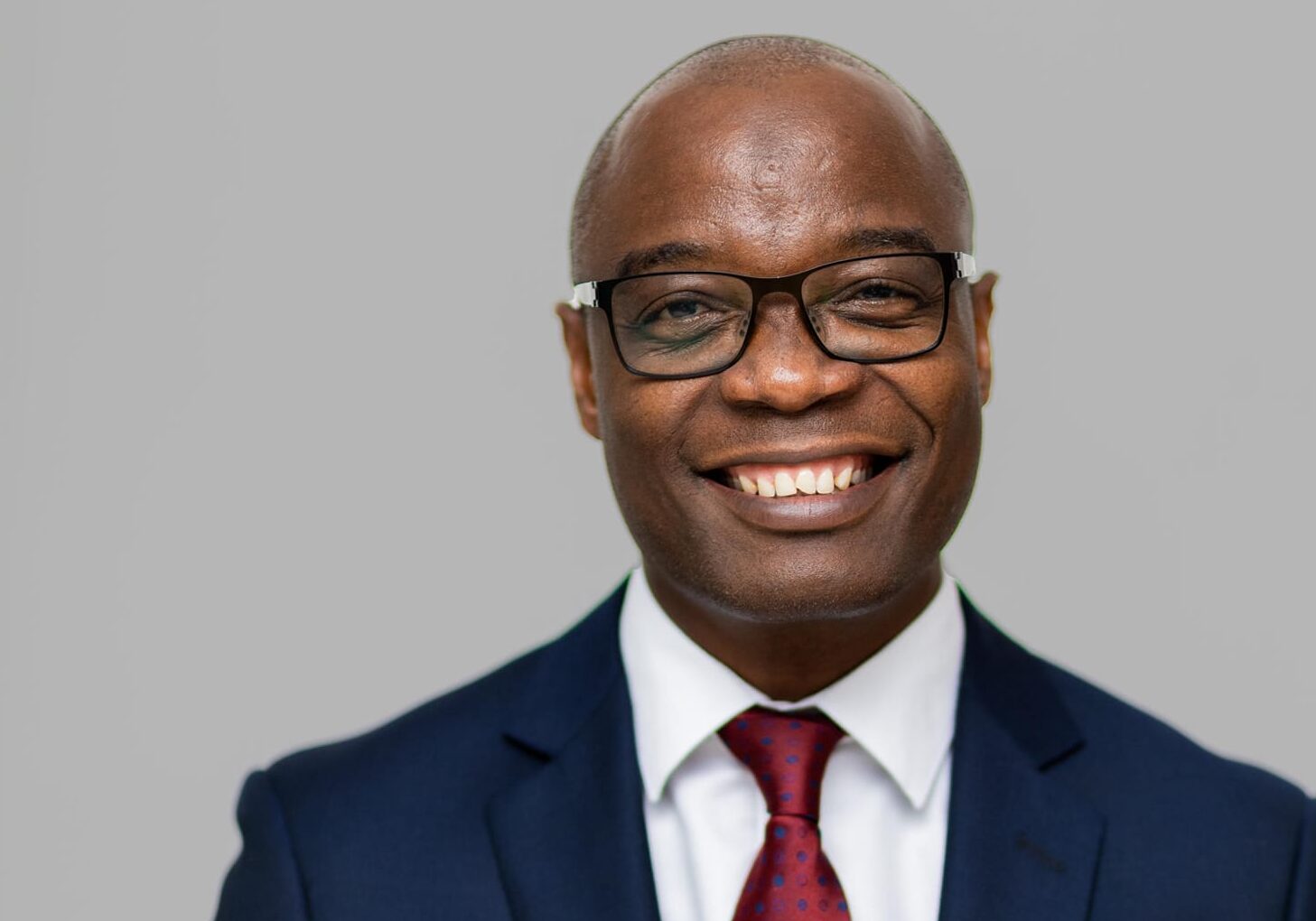
A pivotal figure in these disclosures was Charles Kamoto, who previously held the position of managing director for Airtel Malawi. Kamoto presented a comprehensive and dramatic account of how various officials, including those from telecommunications, raced against time in a concerted effort. His testimony meticulously outlined the precise methods and the sheer speed with which they attempted to trace the mobile phones belonging to individuals who were on board the ill-fated flight, underscoring the vital role of telecom data evidence Malawi in emergency situations.
Parliamentary Inquiry and Telecom Involvement
Mr. Kamoto delivered his extensive testimony to the Parliamentary Ad-hoc Committee, a body specifically constituted to investigate the Chikangawa crash. This committee's mandate involves a thorough and impartial examination of all aspects related to the incident, and Kamoto's insights into the Airtel TNM Malawi crash phone tracing operations form a significant and technical part of their ongoing inquiry. The parliamentary forum serves as a crucial platform for ensuring public accountability and for the meticulous gathering of essential evidence pertaining to the Malawi plane crash investigation.
Further reinforcing the indispensable role of telecommunications companies, both Airtel and TNM have presented their respective detailed accounts of the phone-tracing efforts. Their combined contributions to the investigation highlight how vital cellular network data and infrastructure are in situations demanding rapid location identification, particularly in the context of a national tragedy. These detailed reports from the telecom providers, including Charles Kamoto Airtel Malawi testimony, are instrumental for the Chikangawa crash parliamentary committee's comprehensive understanding of the search and rescue phase.
Implications for Future Investigations
The unfolding parliamentary inquiry, featuring detailed accounts from telecom executives, critically highlights the increasingly significant role that telecommunications data plays in high-stakes investigations. The evidence presented by Airtel and TNM, through figures like Charles Kamoto, demonstrates how Saulos Chilima crash phone data and similar tracing techniques can become an indispensable tool for authorities seeking to locate individuals or downed aircraft in emergency scenarios. This parliamentary review of the Chikangawa crash response sets a crucial precedent for how such data might be utilized and scrutinized in future accident or criminal cases within Malawi, emphasizing the importance of telecom data evidence Malawi.
The public disclosure of these phone-tracing activities before Parliament also profoundly emphasizes the level of transparency and oversight expected in major national incidents. It provides a clear illustration of how private sector entities, specifically telecommunication providers, are called upon to contribute their advanced technical capabilities to assist governmental and parliamentary bodies in their investigative duties, thereby ensuring a comprehensive and publicly accessible understanding of events surrounding the Vice President's aircraft. This engagement underscores the broader implications for legal professionals on the presentation of phone tracing evidence in parliamentary inquiries.
Practical Implications
This development highlights the critical role of telecommunications data in high-profile investigations, providing insights for legal professionals on the presentation of phone tracing evidence in parliamentary inquiries and its potential implications for future accident or criminal cases in Malawi.
Source
How does this affect you?
Get an AI analysis of this article grounded in your jurisdictions, practice areas, and any policy documents you've uploaded to Wansom.
Finish Reading the Full Story and the Expert Analysis.
Get the latest legal & regulatory intelligence in Malawi
Wansom is AI and can make mistakes.