
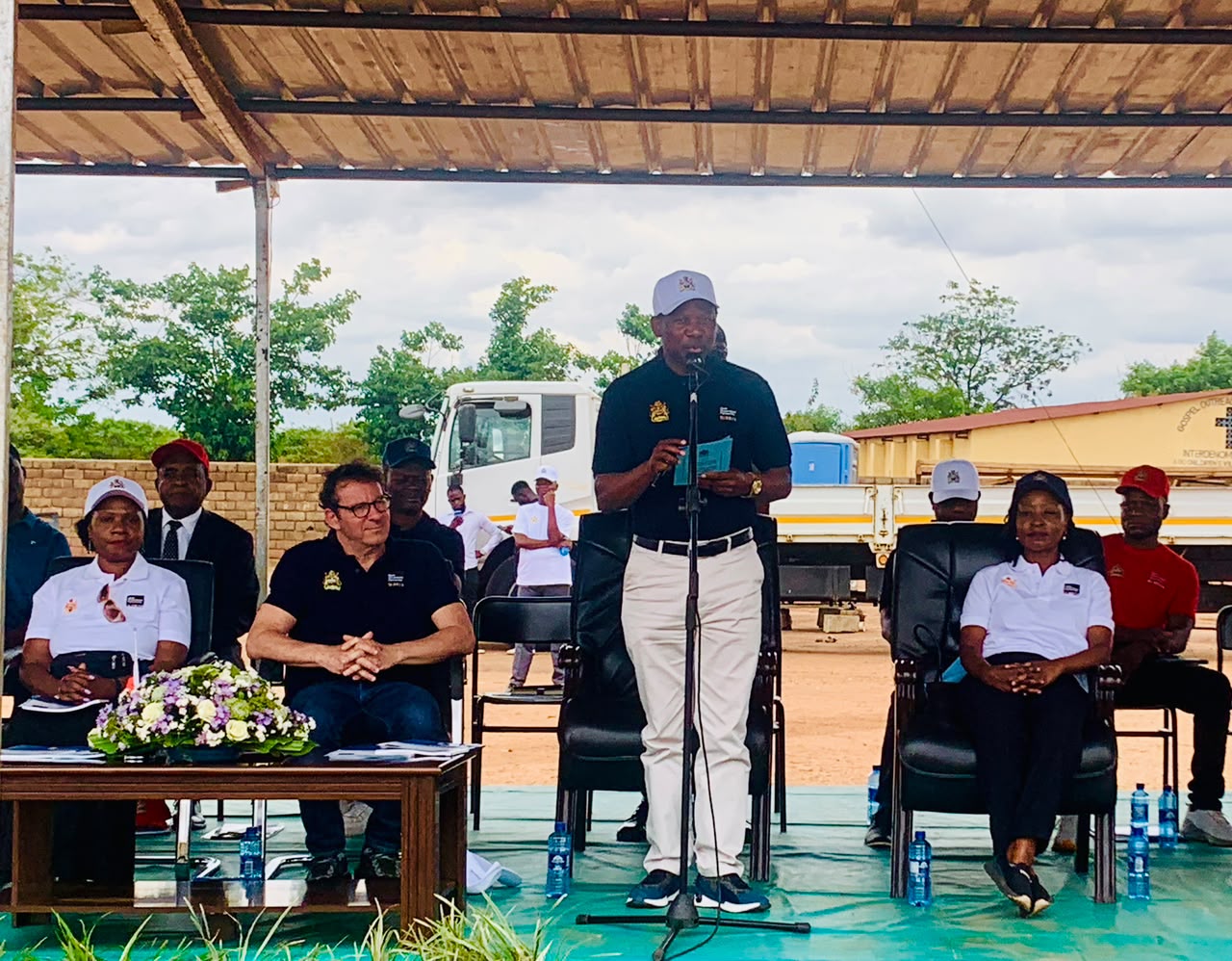
Malawi: Unveils OGP National Action Plan 2026-2029 to Deepen Transparency
Summary
- Malawi has launched its third Open Government Partnership (OGP) National Action Plan.
- The plan outlines governance reforms for the period of 2026-2029.
- It aims to deepen transparency, strengthen accountability, and widen citizen participation in public affairs.
- The launch event for the plan took place in Lilongwe.
- The government anticipates the plan will significantly boost governance reforms over the next four years.
Launch of a New Era for Governance
At the heart of the Malawi OGP National Action Plan 2026-2029 are three fundamental pillars: deepening transparency, strengthening accountability, and widening citizen participation.
The government of Malawi recently unveiled its third Open Government Partnership (OGP) National Action Plan, signaling a renewed commitment to enhancing public sector integrity and citizen engagement. This significant development occurred in Lilongwe on Wednesday, marking the beginning of a four-year strategic framework designed to guide the nation's governance reforms. The plan, specifically designated for the 2026-2029 period, represents a concerted effort to build upon previous initiatives and further solidify democratic principles within the country.
Officials expressed considerable optimism regarding the potential impact of this latest Malawi OGP National Action Plan 2026-2029. They anticipate that its implementation will lead to a profound deepening of transparency across government operations, alongside a substantial strengthening of accountability mechanisms. Furthermore, a key objective is to significantly widen citizen participation in public affairs, fostering a more inclusive and responsive governance structure. These ambitious goals underscore Malawi's ongoing dedication to improving its administrative landscape and empowering its populace.
Malawi's Commitment to Open Government
Malawi's participation in the Open Government Partnership, a global multilateral initiative, reflects its dedication to fostering more transparent, accountable, and participatory governance. The OGP framework encourages member countries to develop and implement National Action Plans collaboratively with civil society, setting concrete commitments to promote openness. The launch of this third plan for 2026-2029 demonstrates a sustained engagement with these principles, indicating that Malawi views open government as a continuous journey rather than a singular event.
The progression to a third national action plan highlights a maturing approach to governance reforms within Malawi. Each successive plan builds on lessons learned and addresses evolving challenges, aiming for more impactful and sustainable changes. This long-term commitment through the Malawi Open Government Partnership initiative is crucial for embedding practices that ensure public information is accessible, decision-making processes are clear, and government officials are answerable to the citizens they serve. Such sustained efforts are vital for the country's broader development objectives.
Core Pillars of the 2026-2029 Plan
At the heart of the Malawi OGP National Action Plan 2026-2029 are three fundamental pillars: deepening transparency, strengthening accountability, and widening citizen participation. Deepening transparency involves making government data and processes more accessible to the public, which can deter corruption and build trust. This often includes initiatives related to open data, public procurement transparency, and clear reporting on public expenditures, all critical components for effective OGP Malawi transparency.
Strengthening accountability mechanisms ensures that government institutions and officials are held responsible for their actions and decisions. This can encompass improved oversight bodies, robust anti-corruption measures, and clear channels for redress. Concurrently, widening citizen participation Malawi seeks to empower individuals and civil society organizations to actively contribute to policy formulation, implementation, and monitoring, thereby ensuring that governance reforms are truly reflective of public needs and aspirations. These interconnected objectives are central to achieving the overarching goal of improved governance.
The Path Forward for Governance Reforms
The government's expressed hopes for the Malawi OGP National Action Plan 2026-2029 are significant, framing it as a pivotal instrument in the nation's ongoing pursuit of comprehensive governance reforms. This four-year roadmap is expected to translate the stated commitments into tangible improvements in how public affairs are conducted. The emphasis on a multi-year strategy suggests an understanding that fundamental shifts in governance require sustained effort and consistent implementation.
Ultimately, the success of this plan will hinge on its effective execution and the collaborative spirit between government and citizens. The ambition to foster greater accountability Malawi government and enhance public engagement is a testament to the country's dedication to democratic ideals. As the plan unfolds over the next four years, it will serve as a critical benchmark for assessing progress in creating a more open, responsive, and trustworthy public administration.
Practical Implications
Lawyers and compliance officers in Malawi should monitor the implementation of the OGP National Action Plan 2026-2029 for new regulations or enforcement actions related to transparency, anti-corruption, and public procurement, which may impact client operations and compliance obligations.
Source
How does this affect you?
Get an AI analysis of this article grounded in your jurisdictions, practice areas, and any policy documents you've uploaded to Wansom.
Finish Reading the Full Story and the Expert Analysis.
Get the latest legal & regulatory intelligence in Malawi
Wansom is AI and can make mistakes.