
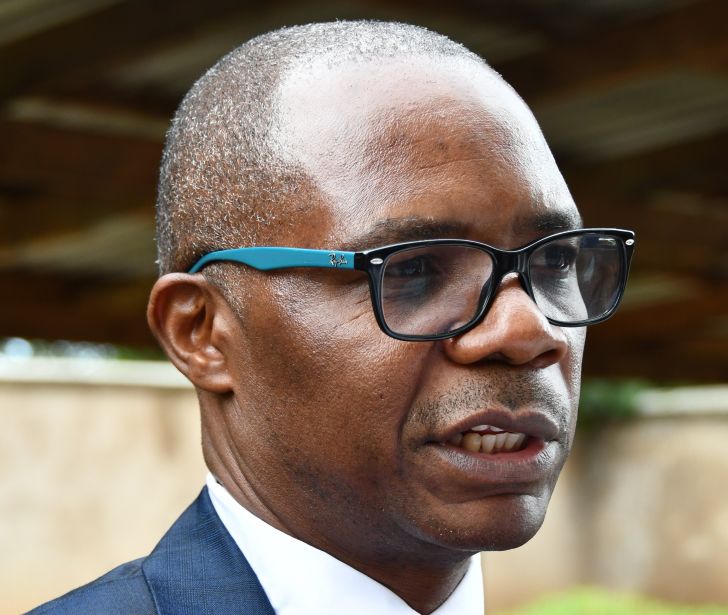
Malawi: Judge Chipao Nkhono JSC Removal Before Swearing-In
Summary
- High Court Judge Violet Chipao and Senior Counsel Patrice Nkhono were removed from Malawi's Judicial Service Commission.
- Their appointments had been made by President Peter Mutharika.
- Neither individual took their oath of office on October 23, 2026, unlike other appointees.
- The removals occurred before they could formally assume their roles on the Commission.
Judicial Appointments Controversy
The unexpected removal of appointees from a body as significant as the Judicial Service Commission, especially before they have even been sworn into their roles, can signal potential instability or even political influence within the appointment process.
High Court of Malawi Judge Violet Chipao and private practice lawyer Patrice Nkhono, a distinguished senior counsel, were recently removed from their appointed positions on the Judicial Service Commission (JSC). This significant development occurred despite their initial selection for the crucial body by President Peter Mutharika. The circumstances surrounding their removal have drawn considerable attention, particularly as it transpired before they could formally assume their roles and responsibilities within the Commission.
On October 23, 2026, a pivotal date for the new appointees, other individuals designated for the Judicial Service Commission proceeded to take their oaths of office, thereby officially commencing their service. However, both Judge Chipao and Senior Counsel Nkhono conspicuously did not participate in this essential swearing-in ceremony. Their absence from the oath-taking signifies that their appointments were effectively rescinded, preventing them from becoming active members of the Commission. This event marks a notable instance of a Malawi Judge Chipao Nkhono JSC removal, prompting questions about the consistency and stability of judicial appointments in the nation.
The Judicial Service Commission's Mandate
The Judicial Service Commission in Malawi plays an absolutely pivotal role within the country's legal framework, primarily holding responsibility for the appointment, discipline, and overall administration of judicial officers. Its functions are undeniably critical for maintaining the integrity, efficiency, and public confidence in the judiciary. Consequently, the composition of the JSC is of paramount importance, as its members directly influence the quality and independence of the judicial system through their decisions on personnel, ethical conduct, and broader governance issues.
The process for Judicial Service Commission Malawi appointments is meticulously designed to ensure that only qualified and impartial individuals are entrusted with overseeing these vital functions. When appointments are made by the President, such as those initially extended by President Peter Mutharika, and subsequently altered or rescinded, it can introduce an element of uncertainty and potential instability into this otherwise structured process. The effective removal of Judge Violet Chipao Malawi and Patrice Nkhono Senior Counsel from the commission before they even took office highlights potential vulnerabilities in the established procedures for judicial governance and the selection of its key overseers.
Concerns for Judicial Independence
The unexpected removal of appointees from a body as significant as the Judicial Service Commission, especially before they have even been sworn into their roles, can signal potential instability or even political influence within the appointment process. Such actions may inevitably lead to a Malawi judicial service controversy, as they could be widely perceived as undermining the fundamental independence and administrative functions of the judiciary. The perceived independence of the judiciary is an indispensable cornerstone for fostering public trust and upholding the rule of law, making any disruption to the established appointment protocols a matter of profound concern for the nation's legal system.
The incident involving Judge Chipao and Senior Counsel Nkhono underscores the critical importance of transparent, consistent, and predictable procedures for judicial appointments. When individuals appointed to oversee the judiciary are 'dropped' without clear public explanation or due process, it can legitimately raise questions about the autonomy of the judicial branch from potential executive influence. This situation warrants close monitoring by legal observers and the public alike, as future Judicial Service Commission appointments and their implications for judicial governance and due process will serve as critical indicators of the overall health and resilience of Malawi's legal system.
Practical Implications
This development signals potential instability or political influence in the appointment process for Malawi's Judicial Service Commission, which could affect the perceived independence and administrative functions of the judiciary. Lawyers should monitor future JSC appointments and their implications for judicial governance and due process.
Source
How does this affect you?
Get an AI analysis of this article grounded in your jurisdictions, practice areas, and any policy documents you've uploaded to Wansom.
Finish Reading the Full Story and the Expert Analysis.
Get the latest legal & regulatory intelligence in Malawi
Wansom is AI and can make mistakes.