
Malawi MRA: Scrap Metal Export Duty Increases 40%
Summary
- The Malawi Revenue Authority (MRA) has raised the export duty on scrap metal by 40 percent.
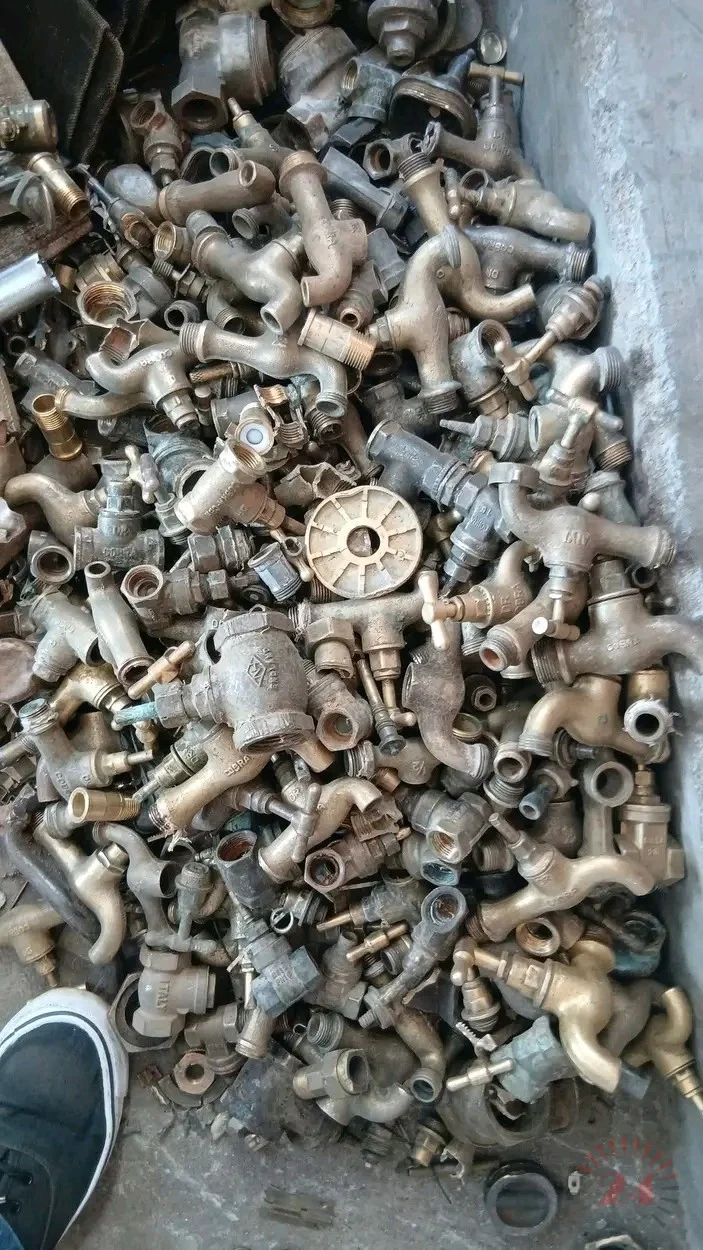
- This increase aims to make it harder for thieves to monetize stolen public infrastructure.
- The targeted stolen items include water and electricity equipment.
- The decision comes amid growing concern over the theft and destruction of assets belonging to Water Boards and the Electricity Supply Corporation.
What Happened
The immediate 40 percent increase in the Malawi MRA scrap metal export duty carries significant implications for the nation's scrap metal industry.
The Malawi Revenue Authority (MRA) has recently enacted a substantial adjustment to its export tariff structure, specifically targeting scrap metal. This regulatory modification involves an immediate 40 percent increase in the duty levied on all scrap metal exports originating from Malawi. The decision reflects a concerted effort by the MRA to address specific economic and social challenges within the nation.
This upward revision of the export duty represents a direct and impactful change for entities involved in the scrap metal trade. Businesses engaged in the collection, processing, and export of these materials will now face considerably higher costs associated with their international shipments. The MRA's move signals a new fiscal approach to managing this particular commodity.
Regulatory Context
This substantial MRA duty increase on scrap metal exports is directly linked to a growing national concern regarding the widespread theft and subsequent destruction of vital public infrastructure. Authorities have observed an alarming trend where essential components from public utilities are pilfered, causing significant disruption and economic loss. The regulatory amendment is designed as a deterrent to this illicit activity.
The primary objective behind the 40 percent export tax hike is to diminish the profitability of selling stolen public assets, thereby making such criminal enterprises less appealing. Specifically, the measure aims to curb the ease with which individuals can convert pilfered water and electricity equipment into cash through the scrap metal market. This strategic intervention seeks to disrupt the financial incentive for these destructive acts.
Public service providers, including various Water Boards and the Electricity Supply Corporation, have been particularly affected by these acts of vandalism and theft. The MRA's decision underscores a broader governmental effort to safeguard critical national assets and ensure the uninterrupted provision of essential services to the populace. The new export tax is a direct response to the escalating challenges faced by these key institutions.
Why It Matters
The immediate 40 percent increase in the Malawi MRA scrap metal export duty carries significant implications for the nation's scrap metal industry. Exporters must now contend with substantially elevated operational costs, which could necessitate a re-evaluation of pricing strategies, existing contracts, and overall business models to maintain viability in the international market. This regulatory shift introduces a new financial landscape for the sector.
Beyond the direct financial impact on exporters, this MRA duty increase Malawi also serves as a critical component in the ongoing battle against Malawi public infrastructure theft. By making the export of scrap metal less lucrative, the government hopes to sever the economic lifeline for criminals who target essential services. The effectiveness of this measure will be closely watched as authorities strive to protect national assets.
This development highlights the government's resolve to protect its public utilities from criminal exploitation. The new scrap metal export regulations Malawi are a clear signal to both legitimate businesses and illicit actors about the heightened scrutiny and increased costs associated with this trade. The measure is poised to reshape the dynamics of the scrap metal market while simultaneously bolstering efforts to secure vital public services.
Practical Implications
Lawyers advising clients in the scrap metal export sector in Malawi must inform them of the immediate 40% increase in export duty imposed by the MRA. This change significantly impacts profitability and requires an urgent review of pricing, contracts, and compliance procedures for all affected businesses to avoid penalties and ensure financial viability.
Source
Source: Original reporting via Malawi24
How does this affect you?
Get an AI analysis of this article grounded in your jurisdictions, practice areas, and any policy documents you've uploaded to Wansom.
Finish Reading the Full Story and the Expert Analysis.
Wansom is AI and can make mistakes.