
Malawi MP Rejects Likangala Bridge K1b Repair Cost
Summary
- Zomba City South MP James Mpunga rejected a proposed K1 billion budget for the rehabilitation of the Likangala River Bridge at Mpondabwino.
- Mpunga argued the K1 billion cost was unjustifiable, noting the entire bridge was constructed for approximately K300 million in 2021.
- The legislator made his comments during a political rally held in Sadzi, Zomba City.
- The dispute highlights heightened public and political scrutiny over Malawi infrastructure project costs and public procurement processes.
Legislator Challenges Bridge Rehabilitation Cost
The public discourse initiated by Mpunga's comments could lead to more stringent review processes for similar projects moving forward.
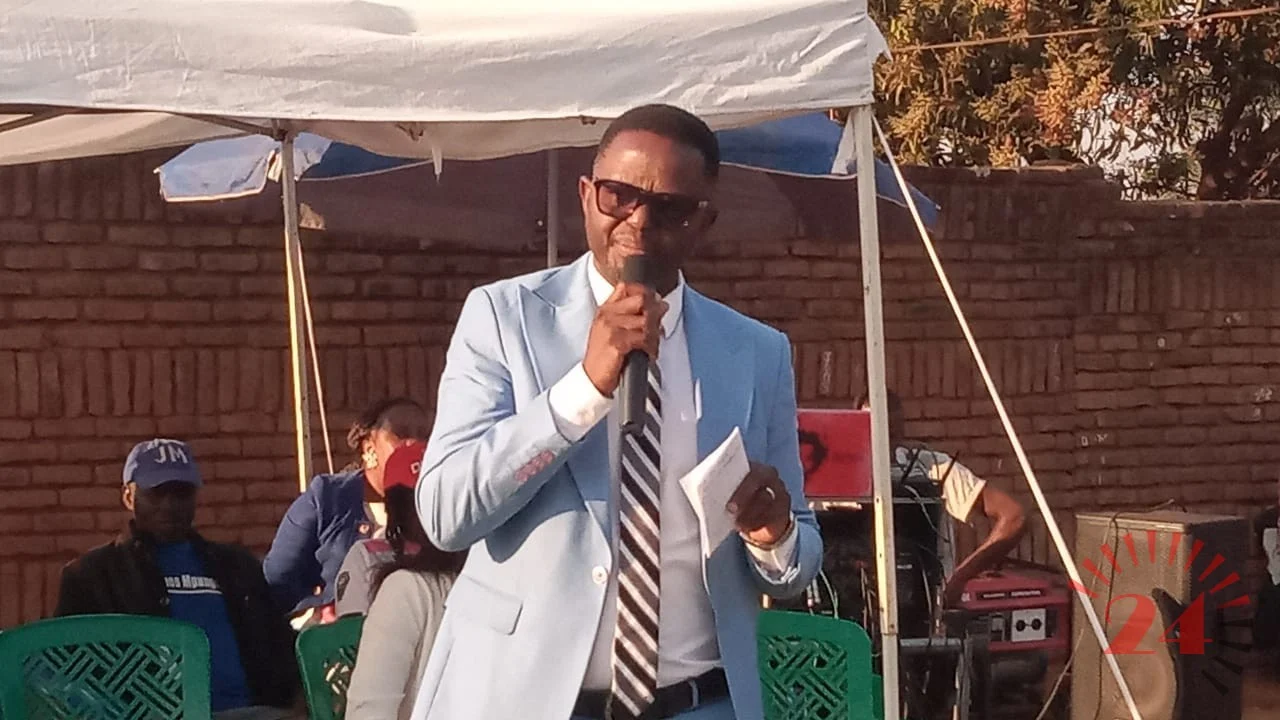
A significant public procurement dispute has emerged in Malawi, as Zomba City South Member of Parliament James Mpunga has publicly rejected a proposed K1 billion budget allocated for the rehabilitation of the Likangala River Bridge at Mpondabwino. The legislator voiced his strong opposition during a political rally held in Sadzi, located within Zomba City, asserting that the substantial sum earmarked for the repair work is entirely unjustifiable.
Mpunga's primary contention centers on the stark contrast between the rehabilitation cost and the bridge's original construction expenditure. He highlighted that the entire Likangala Bridge was initially built for approximately K300 million just three years prior, in 2021. This considerable disparity, where the proposed repair cost is more than three times the original build cost, forms the crux of his argument against the K1 billion budget for the Malawi Likangala Bridge K1b cost.
The MP's intervention brings the specific project, the Likangala River Bridge Mpondabwino, under intense public scrutiny. His remarks underscore a growing demand for accountability in public infrastructure spending, particularly concerning projects like the K1 billion bridge rehabilitation Malawi, which are funded by taxpayers. This public challenge sets a precedent for how future infrastructure projects might be evaluated and debated within the country.
Heightened Scrutiny on Public Procurement
This public rejection by Zomba City South MP James Mpunga signals a period of heightened Malawi public procurement scrutiny, especially concerning large-scale infrastructure projects. The discrepancy between original construction costs and proposed rehabilitation budgets often raises red flags regarding value for money and potential inefficiencies in public spending. Such challenges from elected officials reflect a broader public desire for transparency and fiscal prudence in government contracts.
The incident involving the Likangala Bridge rehabilitation budget serves as a critical example of the increasing oversight applied to Malawi infrastructure project costs. It suggests that government agencies and contractors involved in public works must be prepared to rigorously justify their budgetary allocations, particularly when figures appear disproportionate to previous project phases. The public discourse initiated by Mpunga's comments could lead to more stringent review processes for similar projects moving forward.
For legal professionals advising on public procurement or infrastructure development in Malawi, this situation underscores the imperative for robust due diligence and meticulous, transparent budgeting. The political and public scrutiny exemplified by the Likangala Bridge case indicates that projects lacking clear, defensible financial breakdowns are increasingly vulnerable to public challenge and potential investigation, necessitating a proactive approach to compliance and accountability.
Implications for Future Infrastructure Development
The controversy surrounding the Malawi Likangala Bridge K1b cost carries significant implications for future infrastructure development across the nation. When a rehabilitation budget so dramatically exceeds the initial construction cost, it not only prompts immediate questions about the specific project but also casts a shadow over the general efficiency and integrity of public works contracting. This level of public and political pushback can influence how future tenders are structured, evaluated, and ultimately approved.
This particular challenge highlights the critical need for comprehensive cost-benefit analyses and clear justifications for all phases of infrastructure projects. The K1 billion bridge rehabilitation Malawi, now under intense scrutiny, demonstrates that even seemingly straightforward repair works can become flashpoints for broader discussions about national resource allocation. The incident reinforces the idea that public trust in government projects is directly linked to perceived fairness and transparency in financial dealings.
Ultimately, the actions of Zomba City South MP James Mpunga regarding the Likangala River Bridge Mpondabwino serve as a powerful reminder to all stakeholders in Malawi's infrastructure sector. It emphasizes that robust due diligence and transparent budgeting are not merely best practices but essential safeguards against public challenge and potential investigations, crucial for maintaining public confidence and ensuring the sustainable development of the nation's infrastructure.
Practical Implications
Lawyers advising on public procurement or infrastructure projects in Malawi should note the heightened political scrutiny on project costs, indicating a need for robust due diligence and transparent budgeting to mitigate risks of public challenge or investigation.
Source
Source: Original reporting via Malawi24
How does this affect you?
Get an AI analysis of this article grounded in your jurisdictions, practice areas, and any policy documents you've uploaded to Wansom.
Wansom is AI and can make mistakes.