
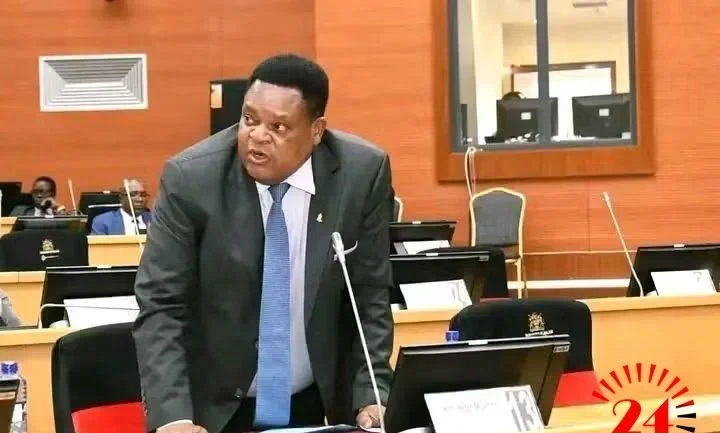
Mukhito's Ban on Unsanctioned Church Prayers in Malawi Sparks Constitutional Concerns
Summary
- DPP Secretary General Peter Mukhito has banned unsanctioned church prayers in Malawi.
- The ban is seen as a threat to freedom of conscience and assembly under the Malawian Constitution.
- Mukhito's actions are being scrutinized under Sections 33 and 38 of the Constitution, which guarantee these rights.
- Lawyers are closely watching this development for potential constitutional challenges.
What Happened
The implications of Mukhito's ban are far-reaching, as it directly contravenes these constitutional provisions.
DPP Secretary General Peter Mukhito has imposed a ban on unsanctioned church prayers in Malawi. This move has been met with criticism from various quarters, with many viewing it as an attack on basic human rights. The ban is seen as a threat to the freedom of conscience and assembly enshrined in the Constitution of Malawi. Specifically, Mukhito's actions are being scrutinized under Section 33, which guarantees freedom of conscience, and Section 38, which protects freedom of assembly.
Legal Context
The Malawian Constitution is clear on the rights of citizens to practice their faith freely. Section 33 explicitly states that every person has the right to freedom of conscience, including the freedom to hold and express opinions about matters religious or spiritual. Similarly, Section 38 ensures that individuals can assemble peacefully without fear of persecution. The implications of Mukhito's ban are far-reaching, as it directly contravenes these constitutional provisions. Lawyers are now closely watching this development for potential constitutional challenges.
Why It Matters
Mukhito's actions have significant repercussions beyond the immediate context of church prayers in Malawi. The ban sets a worrying precedent, potentially undermining the rule of law and the separation of powers within the government. If left unchecked, such authoritarian tendencies could erode the very fabric of democracy in Malawi. Furthermore, this incident highlights the need for accountability among high-ranking officials, particularly those who wield significant influence over policy decisions.
Practical Implications
Lawyers should watch for potential constitutional challenges to Mukhito's ban, which may expose the DPP to liability under Sections 33 and 38 of the Malawi Constitution.
Source
Source: Original reporting via Malawi24
How does this affect you?
Get an AI analysis of this article grounded in your jurisdictions, practice areas, and any policy documents you've uploaded to Wansom.
Wansom is AI and can make mistakes.