
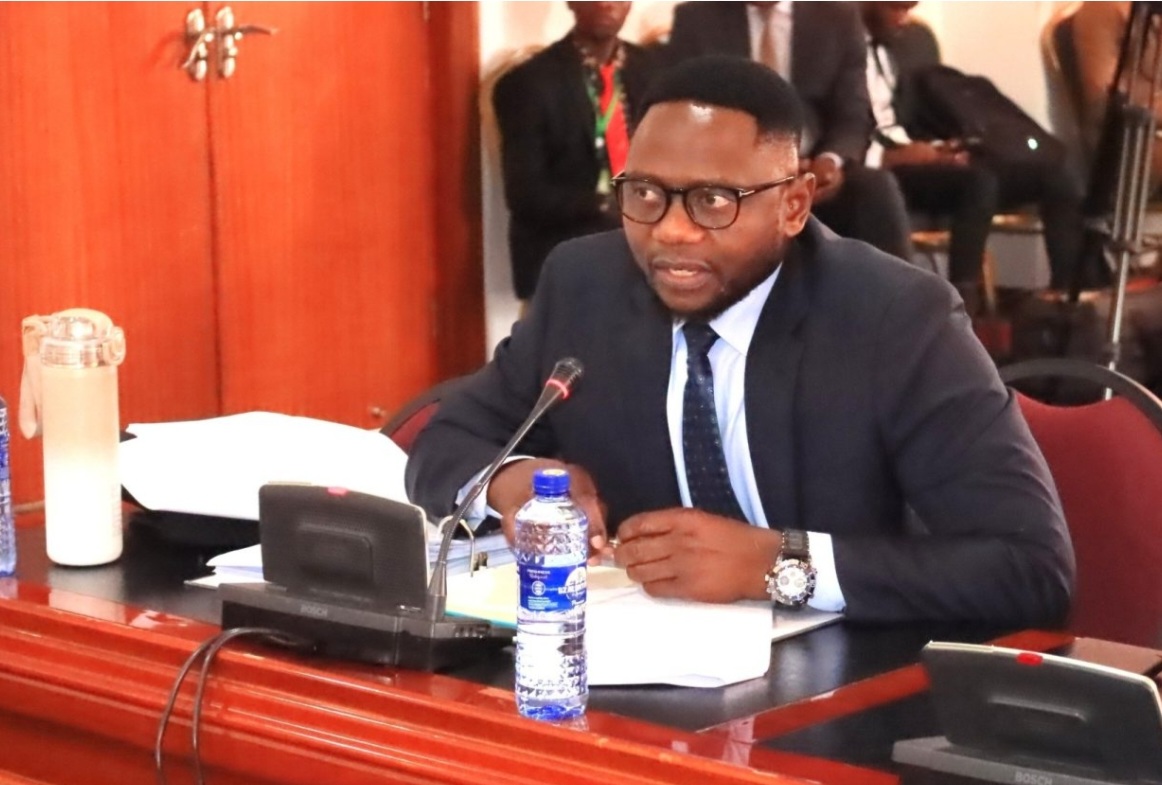
Malawi AG Mbeta Defends Parliament Postponement as Constitutional
Summary
- Malawi's Attorney General, Frank Mbeta, has defended President Peter Mutharika's decision to postpone the Mid-Year Budget Review meeting.
- Mbeta stated that the President was constitutionally entitled to delay the parliamentary session.
- The Attorney General clarified that parliamentary dates are set after consultation involving the President.
- He dismissed claims of unconstitutionality as a misinterpretation of the law.
Attorney General Affirms Presidential Prerogative
The Attorney General's definitive statement on the President's prerogative to postpone parliamentary sessions carries significant weight for Malawi's governance structure.
Malawi's Attorney General, Frank Mbeta, has issued a strong defense of President Peter Mutharika's decision to postpone the Mid-Year Budget Review meeting of Parliament. Mbeta, who serves as the nation's principal legal advisor, unequivocally stated that the President acted entirely within his constitutional authority. He explicitly rejected any claims that the postponement was unconstitutional, asserting that such criticisms are founded on a misunderstanding of the applicable legal provisions. This declaration by Attorney General Frank Mbeta provides a definitive government stance on the Malawi AG Mbeta Parliament postponement.
The Attorney General's intervention comes at a time when the executive's role in legislative scheduling is under scrutiny. His public statement aims to clarify the legal parameters governing the relationship between the executive and legislative branches in Malawi, particularly concerning the timing of crucial parliamentary proceedings. Mbeta's firm position underscores the government's interpretation of the President's discretion in managing the parliamentary calendar, especially regarding significant events like the Mid-Year Budget Review.
Constitutional Basis for Executive Action
Attorney General Mbeta elaborated on the legal foundation for the President's actions, explaining that the process for setting parliamentary dates inherently involves the head of state. He clarified that the dates for parliamentary sittings are not unilaterally determined but are established only after a consultative process that includes the President. This established procedure, in Mbeta's legal opinion, grants the President the necessary authority to adjust the legislative timetable, which encompasses the power to postpone specific meetings.
This interpretation directly counters arguments from those who have challenged the constitutionality of President Peter Mutharika's decision. Mbeta maintained that any assertions of unconstitutionality are based on an incorrect reading of Malawi constitutional law Parliament and the established operational protocols for the legislature. The Attorney General's explanation highlights a specific understanding of the constitutional provisions that empower the President with discretion in scheduling parliamentary activities, thereby reinforcing the scope of presidential powers Malawi legislature.
Implications for Legislative Oversight
The Attorney General's robust affirmation of the President's power to postpone parliamentary sessions carries significant implications for the balance of power within Malawi's governance framework. By declaring that the President was "perfectly entitled" to delay the Mid-Year Budget Review postponement, Mbeta articulates a broad interpretation of executive authority over the legislative agenda. This perspective suggests that the President holds substantial influence in determining the timing and conduct of parliamentary business, which is vital for legislative oversight and budgetary processes.
This authoritative defense by Attorney General Frank Mbeta of President Peter Mutharika Parliament powers could establish an important precedent for future interactions between the executive and legislative branches. It provides a clear articulation of the government's official stance on the President's discretion in scheduling parliamentary activities, a critical component of Malawi's constitutional structure. Legal experts and political commentators will undoubtedly consider this interpretation when assessing the distribution of power and checks and balances within the Malawian government, particularly concerning the executive's ability to influence the legislative calendar.
Practical Implications
This article outlines the Attorney General's official interpretation of the President's constitutional power to postpone parliamentary sessions in Malawi. Lawyers advising on constitutional law, legislative procedures, or executive authority in Malawi should note this stance, as it clarifies the government's position on the President's discretion in scheduling parliamentary business, which could be relevant in cases challenging or defending executive actions related to the legislature.
Source
How does this affect you?
Get an AI analysis of this article grounded in your jurisdictions, practice areas, and any policy documents you've uploaded to Wansom.
Wansom is AI and can make mistakes.