
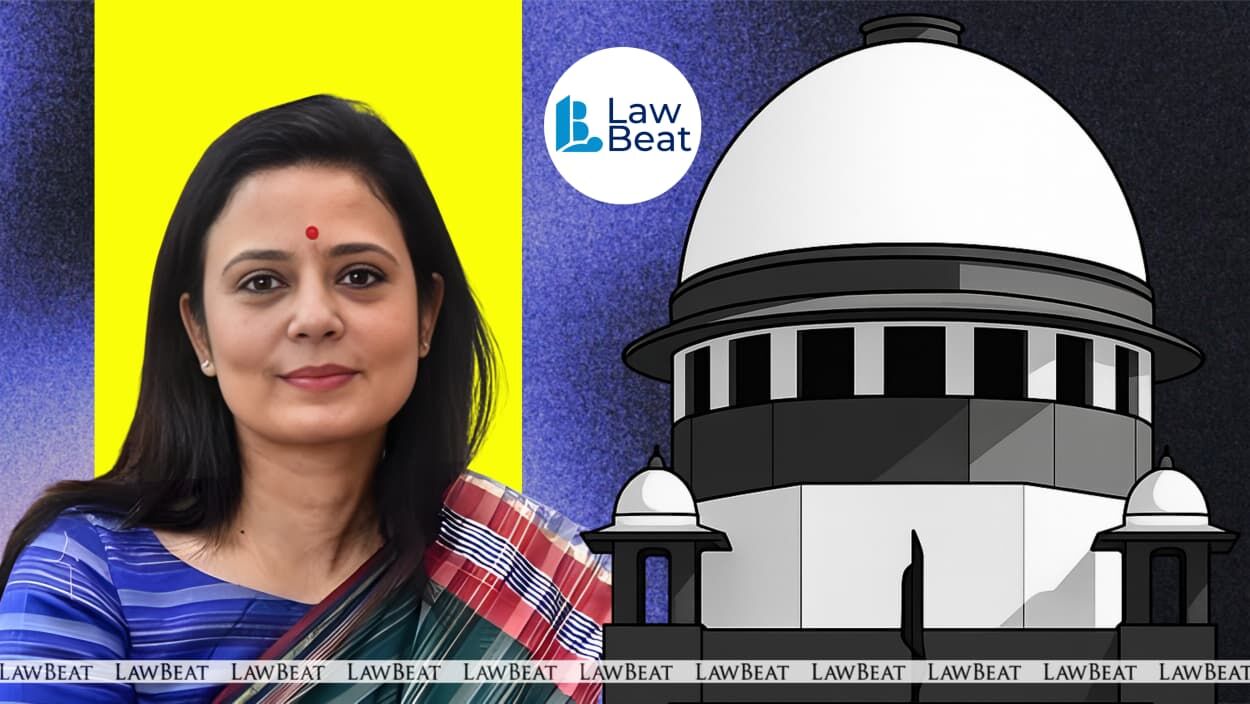
Mahua Moitra: Supreme Court Hears Circuit House Eviction Plea
Summary
- Trinamool Congress MP Mahua Moitra has filed an Article 32 petition with the Supreme Court, alleging unlawful eviction from her constituency accommodation in West Bengal.
- She claims the Nadia district administration evicted her from the Circuit House at 11 pm, despite a protective High Court order.
- Moitra also submitted a privilege notice to Lok Sabha Speaker Om Birla against three officials, accusing them of a serious breach of protocol and attempting to hinder her parliamentary duties.
- The MP's legal challenge raises concerns about federalism and seeks comprehensive directions and an independent investigation into the incident.
- The eviction order, citing maintenance, was reportedly communicated via WhatsApp at 10:52 pm, though staff indicated no such work was occurring.
The Eviction Controversy
The invocation of an Article 32 petition by a sitting Member of Parliament for an alleged unlawful eviction from official accommodation highlights the serious nature of the dispute and its potential ramifications for the functioning of democratic institutions in India.
Mahua Moitra, a Trinamool Congress Member of Parliament, has approached the Supreme Court of India, alleging an unlawful eviction from her official constituency accommodation. The MP claims the Nadia district administration in West Bengal removed her from the Krishnanagar Circuit House late at night, in direct contravention of existing protective orders issued by the High Court. This incident prompted her to file an Article 32 petition before the apex court, seeking redress for what she describes as a serious breach of protocol.
A bench led by Chief Justice of India Surya Kant was informed that local officials, specifically the Additional District Magistrate and the District Magistrate, carried out the eviction around 11 pm. Moitra's legal representation highlighted that this action took place despite a High Court order designed to protect her. The MP detailed the sequence of events in a privilege notice later sent to Lok Sabha Speaker Om Birla, outlining the timeline of the alleged MP accommodation eviction in India.
According to her account, she arrived at the Nadia Circuit House, designated accommodation for visiting MPs, at approximately 6:15 pm on August 14. This was after she had informed the Speaker on August 13 about her visit to the constituency post-Monsoon Session and requested protection from any obstruction or harassment. She was provided with her customary room, which had been prepared for her arrival. However, at 9:47 pm, the Nadia Additional District Magistrate contacted her, instructing her to vacate the premises. When Moitra inquired about the reason, the ADM reportedly stated that the directive originated "from the top," implying the District Magistrate. Subsequently, at 10:52 pm, she received a WhatsApp message from the Nazareth Deputy Collector. This message included a copy of an order dated August 12, which declared the circuit house unavailable for service from the evening of August 14 due to annual maintenance and cleaning. Moitra, however, noted in her communication to the Speaker that staff confirmed no such cleaning or maintenance was underway, apart from the installation of a water-iron removal plant outside the building, and that the kitchen and staff remained fully operational. She also questioned the method of communication, pointing out that the order was neither emailed to her beforehand nor displayed at the reception, but was instead sent via WhatsApp only at 10:52 pm. This forms the core of the Nadia district administration dispute.
Legal and Parliamentary Recourse
The Article 32 petition filed by Ms. Moitra before the Supreme Court seeks comprehensive directions and an independent investigation into the incident. Her legal team emphasized the constitutional significance of the matter, particularly raising concerns about issues of federalism and the implications of such actions on elected representatives. This Mahua Moitra Article 32 petition represents a direct challenge to the administrative actions at the highest judicial level.
Beyond the judicial avenue, Ms. Moitra has also pursued parliamentary recourse by submitting a Lok Sabha privilege notice Moitra to Speaker Om Birla. This notice, dated August 16 and filed under Rule 222 of the Rules of Procedure and Conduct of Business in Lok Sabha, targets three senior officials: the Nadia District Magistrate, the Additional District Magistrate, and the Nazareth Deputy Collector. She alleges a serious breach of protocol by these officials. In a show of support, CPI(M) MP K Radhakrishnan also penned a letter to Speaker Birla, advocating for a formal inquiry or a referral of the matter to the Committee on Privileges to ensure accountability for the officials involved in the West Bengal circuit house legal challenge.
Broader Implications
Ms. Moitra's privilege notice to the Speaker frames the officials' actions as part of a "larger effort" to impede her ability to fulfill her parliamentary duties. She has explicitly sought the Speaker's protection to ensure she can discharge her constitutional responsibilities "free of intimidation and harassment." The legal challenge before the Supreme Court underscores the potential for such administrative actions to escalate into significant constitutional issues, particularly concerning the relationship between state administration and elected federal representatives.
The invocation of an Article 32 petition by a sitting Member of Parliament for an alleged unlawful eviction from official accommodation highlights the serious nature of the dispute and its potential ramifications for the functioning of democratic institutions in India. This case, centered on the Mahua Moitra Supreme Court eviction circuit house, brings into sharp focus the legal avenues available to public officials when facing administrative actions perceived as unlawful or politically motivated, especially concerning official accommodation.
Practical Implications
This case highlights the legal avenues available to public officials, such as MPs, when facing administrative actions perceived as unlawful or politically motivated, particularly concerning official accommodation. Lawyers should note the dual recourse through judicial review (Supreme Court Article 32 petition) and parliamentary mechanisms (privilege notice), and the potential for constitutional and federalism issues to arise from such disputes.
Source
How does this affect you?
Get an AI analysis of this article grounded in your jurisdictions, practice areas, and any policy documents you've uploaded to Wansom.
Wansom is AI and can make mistakes.