
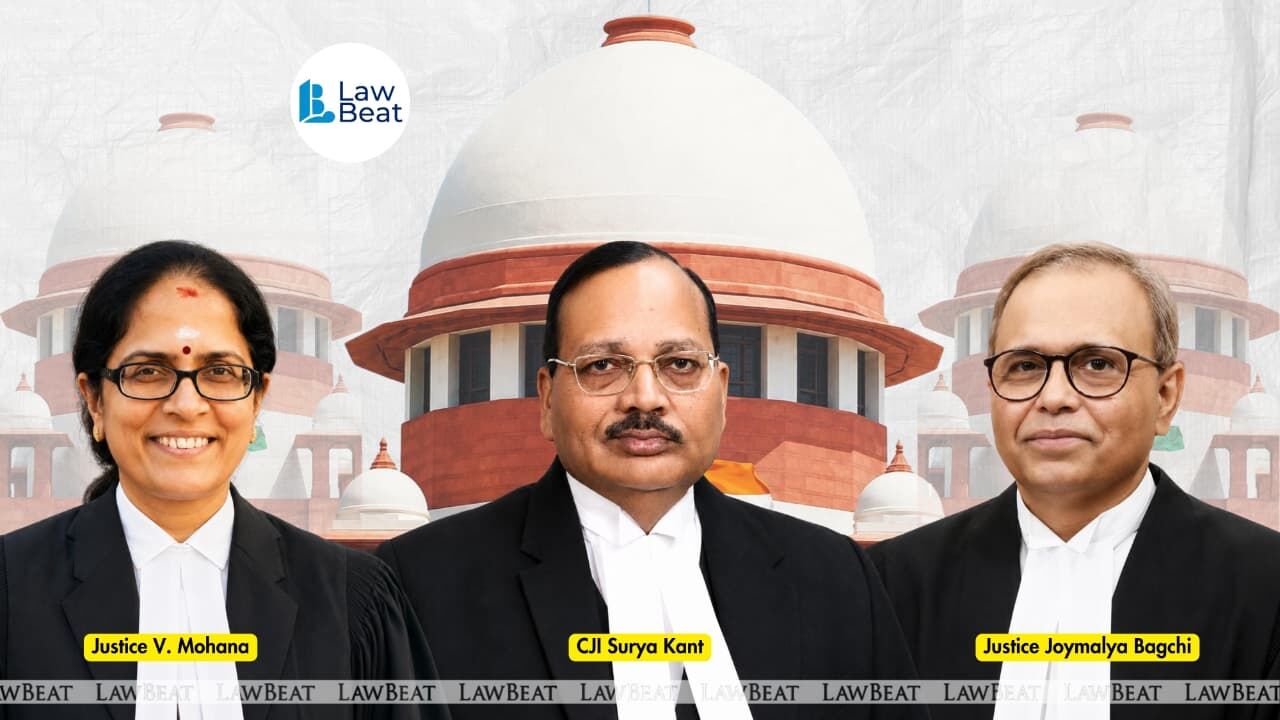
Supreme Court: Jantar Mantar Sexual Assault Allegations Directed to HPEC
Summary
- The Supreme Court declined to initiate *suo motu* proceedings regarding alleged sexual assaults during Jantar Mantar protests.
- Aggrieved individuals were directed to approach the High-Powered Enquiry Committee (HPEC) with their complaints.
- The HPEC, led by former Supreme Court Justice R. Subhash Reddy, was originally formed to investigate police violence during NEET protests.
- Its mandate now explicitly includes prioritizing complaints of sexual assault against female protestors and examining police excesses.
- The Supreme Court emphasized the HPEC's role in continuous assessment and periodic reporting on these critical issues.
Judicial Directive on Protestor Grievances
This ruling underscores the Supreme Court's preference for specialized bodies to handle complex factual inquiries, particularly concerning sensitive issues like sexual assault and police violence during protests in India.
The Supreme Court recently declined to initiate *suo motu* proceedings regarding allegations of sexual assault against women during the Jantar Mantar protests. Instead, the apex court directed individuals affected by these incidents to present their concerns to the High-Powered Enquiry Committee (HPEC), a body already established to investigate protest-related issues.
This decision came after Senior Advocate Shobha Gupta brought the severe allegations, including sexual assault and police violence, to a bench led by Chief Justice of India Surya Kant, urging direct intervention. However, CJI Kant clarified that the court had already tasked the HPEC with addressing such matters, suggesting that Gupta could also approach the committee's nodal officers. The Jantar Mantar protests, which occurred in July, were related to the NEET paper leak.
The court's refusal to take *suo motu* cognizance in this instance indicates a procedural preference for grievances of this nature to be channeled through specialized investigative bodies rather than direct judicial intervention at the highest level.
Mandate of the High-Powered Enquiry Committee
The High-Powered Enquiry Committee (HPEC), established by the Supreme Court just the previous week, is now specifically mandated to prioritize complaints of sexual assault involving women from the Jantar Mantar demonstrations. This committee, headed by former Supreme Court Justice R. Subhash Reddy, was originally formed to conduct an independent and impartial investigation into alleged acts of violence that transpired during the NEET paper leak protests.
Its distinguished members include Justice Ravi Shankar Jha, formerly Chief Justice of the Punjab and Haryana High Court; Mrs. Justice Shalinder Kaur, a former judge of the Delhi High Court; Rishi Kumar Shukla, former Director of the Central Bureau of Investigation; and Dr. L.R. Bishnoi, a retired Director General of Police from Meghalaya. The HPEC's comprehensive mandate extends beyond the immediate allegations, aiming for a thorough review of protest-related incidents.
The CJI Surya Kant-led bench had previously outlined several priority areas for the HPEC. These include investigating alleged incidents of targeted violence, harassment, and molestation of female protestors. Furthermore, the committee is tasked with assessing grievous harm and injury reportedly caused to protestors by police authorities and security personnel. This involves scrutinizing the chain of command, identifying those responsible for any excesses, and determining whether existing laws, rules, or norms were breached in the use of force. The HPEC is also expected to consider the provision of interim compensation for injured parties, whether they are police personnel or protestors. The Supreme Court emphasized that the HPEC's inquiry is not a one-off event but rather a continuous and periodic assessment, with interim findings to be submitted regularly to enable the court to take appropriate measures.
Broader Implications for Protest Accountability
This ruling underscores the Supreme Court's preference for specialized bodies to handle complex factual inquiries, particularly concerning sensitive issues like sexual assault and police violence during protests in India. While refusing *suo motu* cognizance, the court has effectively channeled these critical grievances to a dedicated, high-level committee, thereby clarifying the procedural path for addressing such serious allegations.
The court has been actively engaged with issues stemming from the NEET protests for several weeks. In a related development, it recently granted state governments the discretion to withdraw FIRs registered against protestors involved in the NEET paper leak demonstrations across the country. However, a crucial caveat was added by the CJI Surya Kant-led bench, clarifying that FIRs pertaining to grave and heinous offenses would not be eligible for withdrawal.
Solicitor General Tushar Mehta subsequently informed the bench that approximately 2700 such FIRs would remain in effect, highlighting the distinction between minor protest-related charges and more serious allegations. This broader context demonstrates the Supreme Court's ongoing efforts to manage the legal aftermath of widespread protests, balancing accountability with due process.
Practical Implications
This ruling clarifies the procedural path for addressing grievances of sexual assault and police violence during protests in India. Lawyers representing individuals affected by such incidents should advise clients to approach the High-Powered Enquiry Committee (HPEC), as the Supreme Court has indicated a preference for specialized bodies to handle these matters rather than direct *suo motu* intervention.
Source
How does this affect you?
Get an AI analysis of this article grounded in your jurisdictions, practice areas, and any policy documents you've uploaded to Wansom.
Wansom is AI and can make mistakes.