
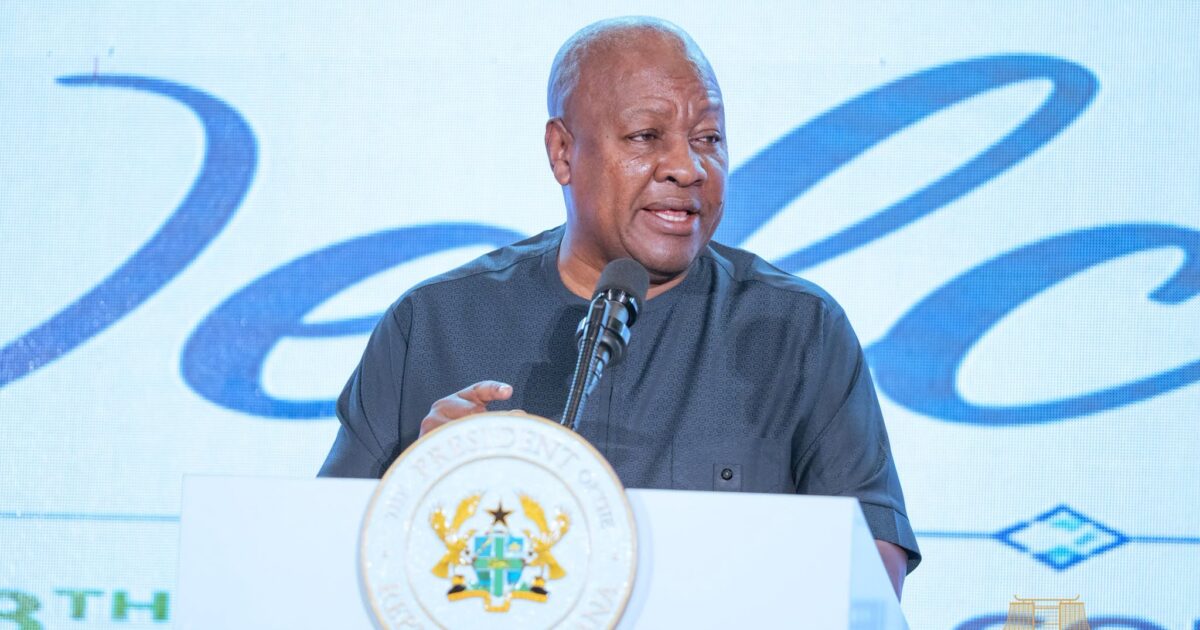
Mahama: Ghana Healthcare Regulation Call to Boost Patient Safety
Summary
- President John Dramani Mahama called for a more responsive healthcare regulatory system to improve patient safety and public trust in healthcare delivery.
- The appeal was made at the 28th Annual Conference of the Association of Medical Councils of Africa in Accra on August 24.
- Mahama highlighted pressures on African healthcare systems, emphasizing the need for adaptive regulation and greater continental collaboration for workforce development.
- Ghana's Minister of Health, Kwabena Mintah Akandoh, outlined government plans to decentralise specialist training and expand healthcare services to underserved areas.
- Conference stakeholders agreed that stronger regulation, deeper collaboration, and expanded specialist training are crucial for patient safety and advancing Universal Health Coverage across Africa.
Call for Enhanced Healthcare Oversight
President John Dramani Mahama has urged the implementation of a more adaptive and responsive healthcare regulatory framework to bolster patient safety and safeguard public confidence in medical services.
President John Dramani Mahama has urged the implementation of a more adaptive and responsive healthcare regulatory framework to bolster patient safety and safeguard public confidence in medical services. This significant call was made during his address at the 28th Annual Conference of the Association of Medical Councils of Africa, which convened in Accra on August 24. The conference served as a crucial platform, bringing together health regulators and other vital stakeholders from across the African continent.
The central theme of the gathering, "Responsive Regulation for Safer Communities towards Universal Health Coverage," underscored the urgent need for robust and flexible oversight mechanisms. President Mahama's intervention highlights a growing recognition among African leaders of the critical role that effective regulation plays in ensuring the quality and reliability of healthcare provision.
His remarks specifically targeted the necessity of evolving regulatory systems to meet contemporary challenges, thereby directly impacting the well-being of patients and reinforcing trust in the broader healthcare ecosystem. The event provided a forum for continental leaders to discuss strategies for improving health outcomes through collaborative and forward-thinking approaches to governance.
Addressing Systemic Pressures
The impetus for President Mahama's call stems from the escalating pressures confronting healthcare systems throughout Africa. These challenges are multifaceted, encompassing rapid population growth, the emergence of new disease patterns, and an increasing demand from citizens for higher standards of quality care. In this dynamic environment, he emphasized that regulation must be not only responsive but also highly adaptive to effectively ensure patient safety and strengthen overall healthcare delivery.
Beyond domestic regulatory reforms, President Mahama also advocated for enhanced collaboration among African nations. He specifically highlighted the importance of joint efforts to train a greater number of healthcare professionals and to achieve a more equitable distribution of the continent's medical workforce. This collaborative vision aims to address critical shortages and disparities that hinder effective healthcare provision across different regions.
Such continental cooperation is deemed essential for building resilient health systems capable of withstanding future shocks and consistently delivering high-quality care. The focus on both adaptive regulation and collaborative workforce development underscores a comprehensive strategy to tackle the complex issues facing African health sectors.
Ghana's Strategic Healthcare Reforms
In alignment with the conference's objectives, Ghana's Minister of Health, Kwabena Mintah Akandoh, also addressed the attendees, outlining the government's strategic initiatives to improve healthcare accessibility and quality. Minister Akandoh detailed plans for the decentralization of specialist medical training, a move designed to spread expertise more widely across the country. Additionally, he spoke about expanding healthcare services into previously underserved areas, aiming to bridge existing gaps in provision.
These measures form a core component of the government's broader efforts to ensure that quality healthcare is more readily available to all citizens, regardless of their geographic location. The commitment to decentralization and expansion reflects a proactive approach to addressing disparities and enhancing the overall reach of medical services within Ghana.
The Minister's presentation underscored the national commitment to implementing practical reforms that resonate with the broader continental dialogue on responsive regulation and universal health coverage. These initiatives are crucial steps towards creating a more equitable and efficient healthcare landscape in Ghana.
Path to Universal Health Coverage
A consensus emerged among the various stakeholders present at the conference regarding the foundational elements required for advancing healthcare across Africa. Participants collectively identified stronger regulatory frameworks, deeper collaborative efforts among African countries, and expanded specialist training programs as critical pillars. These three areas are considered indispensable for significantly improving patient safety standards and making tangible progress towards Universal Health Coverage (UHC) across the continent.
The discussions highlighted that achieving UHC is not merely about increasing access to services but also about ensuring the quality and safety of those services through robust governance. The emphasis on collaboration signals a recognition that many healthcare challenges transcend national borders and require a unified regional response.
Ultimately, the collective vision articulated at the conference points towards a future where well-regulated, collaborative, and adequately staffed healthcare systems can effectively serve the health needs of all African populations, thereby realizing the ambitious goal of Universal Health Coverage.
Practical Implications
Lawyers advising healthcare providers or involved in health policy in Ghana should monitor for potential legislative or regulatory reforms stemming from this call for more responsive healthcare regulation, which could impact future compliance obligations and operational frameworks for their clients.
Source
How does this affect you?
Get an AI analysis of this article grounded in your jurisdictions, practice areas, and any policy documents you've uploaded to Wansom.
Wansom is AI and can make mistakes.