
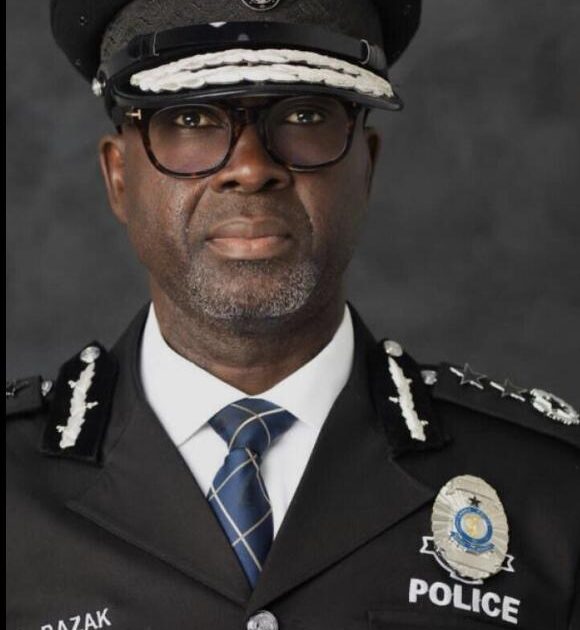
Ghana National Security: Private Security Political Militias Face Licence Revocation
Summary
- Ghana's National Security Coordinator, COP Osman Abdul-Razak, warned private security firms and informal community groups against operating as political militias.
- Entities found acting as political task forces during election periods face licence revocation and criminal prosecution.
- The Coordinator emphasized that no private entity is permitted to assume the coercive powers of state security agencies.
- This directive aims to prevent political vigilantism and uphold state authority, especially concerning Ghana election security regulations.
Heightened Scrutiny for Private Security
The Ghana private security political militias licence revocation threat is a direct consequence for non-compliance.
Ghana's National Security Coordinator, COP Osman Abdul-Razak, has issued a stern warning to private security companies and informal community security groups operating within the nation. The Coordinator explicitly stated that any such entities found to be functioning as political task forces or private militias, particularly during election periods, face severe repercussions. This directive underscores a renewed commitment to maintaining order and preventing the usurpation of state authority by non-state actors.
The warning from COP Abdul-Razak highlights a critical concern regarding the role of private security in Ghana's political landscape. Firms and groups engaging in activities akin to political vigilantism risk not only the forfeiture of their operating licences but also potential criminal prosecution. This move signals a significant tightening of regulations and enforcement against any private security operations that could undermine the integrity of the electoral process or national stability.
The National Security Coordinator's statement makes it unequivocally clear that the government will not tolerate any private entity attempting to assume the coercive powers traditionally reserved for state security agencies. This stance is crucial for upholding the rule of law and ensuring that security provision remains firmly within the purview of authorized governmental bodies. The Ghana private security political militias licence revocation threat is a direct consequence for non-compliance.
Upholding State Authority and Regulatory Compliance
The pronouncement by COP Osman Abdul-Razak regarding private security firms underscores a fundamental principle of state sovereignty: the monopoly on the legitimate use of force. By asserting that no private entity will be permitted to wield the coercive powers of state security agencies, the National Security Coordinator reinforces the legal framework that governs security provision in Ghana. This principle is central to preventing the emergence of parallel security structures that could challenge governmental authority or compromise public safety.
This warning serves as a critical reminder for all private security firms in Ghana to meticulously review their operational mandates and ensure strict adherence to existing regulations. The focus on activities during election periods suggests a proactive measure to mitigate risks associated with political vigilantism Ghana law seeks to eradicate. Compliance officers within these firms must update internal policies to reflect this heightened enforcement posture, thereby mitigating legal and operational risks, especially as the nation approaches future electoral cycles.
The potential for private security firm licence revocation Ghana-wide for those involved in political militia activities is a significant deterrent. It places a direct responsibility on company leadership to ensure their personnel are not engaged in partisan political activities or acting outside the scope of their legitimate security functions. The Ghana National Security Coordinator warning is a clear signal that the state is prepared to use its full regulatory and prosecutorial powers to enforce these boundaries.
Implications for Election Security and National Stability
The National Security Coordinator's firm stance is particularly pertinent in the context of Ghana election security regulations. Elections are periods of heightened political activity, and the presence of unauthorized armed groups or politically aligned security outfits can significantly destabilize the process and erode public trust. By targeting private security companies and informal groups that act as political task forces, the government aims to safeguard the fairness and peaceful conduct of elections.
This proactive measure is designed to prevent scenarios where private entities, under the guise of security, might be used to intimidate voters, disrupt electoral proceedings, or engage in other unlawful acts that undermine democratic principles. The threat of criminal prosecution alongside licence revocation for private security firms involved in such activities sends a strong message about the government's commitment to maintaining law and order during politically sensitive times.
Ultimately, the directive from COP Osman Abdul-Razak regarding private security and political militias is a crucial step towards strengthening national security and ensuring that the state retains exclusive control over coercive powers. It emphasizes the need for all security providers, whether state or private, to operate strictly within legal parameters, especially concerning their conduct during election periods, thereby contributing to overall stability and public confidence in the security apparatus.
Practical Implications
Lawyers advising private security firms in Ghana should review client operations to ensure strict compliance with regulations against political vigilantism, as the National Security Coordinator signals increased enforcement leading to potential licence revocation and criminal prosecution. Compliance officers must update internal policies to mitigate this heightened legal and operational risk, especially during election periods.
Source
Source: Original reporting via GhanaWeb
How does this affect you?
Get an AI analysis of this article grounded in your jurisdictions, practice areas, and any policy documents you've uploaded to Wansom.
Wansom is AI and can make mistakes.