
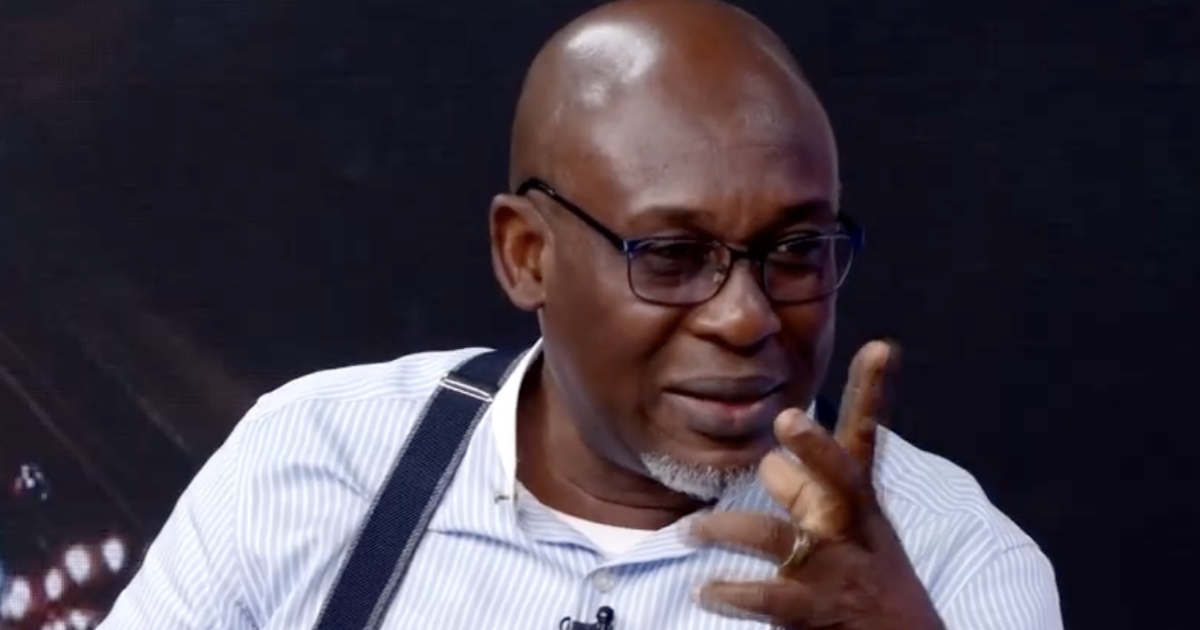
Ghana: Mahama Chief Justice Appointment Power Raises Concerns
Summary
- Kofi Bentil of IMANI Africa Ghana warned that appointing Chief Justices nearing retirement could grant President John Mahama significant power over the judiciary.
- The impending retirement of Chief Justice Paul Baffoe-Bonnie necessitates a new appointment, raising questions about Ghana Chief Justice succession.
- Bentil suggested that selecting judges with short tenures could allow President Mahama to make multiple judiciary appointments before leaving office.
- While acknowledging the high competence of potential candidates, Bentil noted that a President's comfort and loyalty might also be key considerations.
- He emphasized that the appointment should aim to rebuild public confidence in the judiciary, despite potential political influences.
What Happened
Bentil specifically suggested that if a president were inclined to consolidate power, they might opt for candidates with shorter periods left in their judicial careers.
The impending retirement of Chief Justice Paul Baffoe-Bonnie later this year has brought the critical issue of Ghana Chief Justice succession to the forefront. This transition necessitates a new appointment to lead the nation's judiciary, a decision that has drawn significant commentary regarding its potential implications for executive power and judicial independence in Ghana.
Kofi Bentil, a prominent lawyer and Vice-President of IMANI Africa Ghana, recently voiced concerns about the potential for President John Mahama to wield immense influence over the judiciary through his appointment power. Speaking on JoyNews’ PM Express on Wednesday, October 14, 2026, Bentil highlighted how the selection of a Chief Justice could become a strategic political consideration, particularly concerning the appointee's remaining tenure before mandatory retirement.
The Power Dynamic
Bentil specifically suggested that if a president were inclined to consolidate power, they might opt for candidates with shorter periods left in their judicial careers. This approach, he explained, could enable President Mahama to make multiple Chief Justice appointments before his own term concludes, potentially allowing him to select at least two successive heads of the judiciary. Such a scenario, Bentil argued, would grant the executive significant leverage over the judicial branch.
While emphasizing that this was a hypothetical possibility rather than an accusation against the President's intentions, Bentil underscored the inherent power dynamics involved. He noted that the remaining years of a potential appointee's service could transform into a key political factor in the selection process, thereby influencing the long-term direction and composition of Ghana's highest court. This perspective raises Ghana judicial independence concerns, as it suggests executive comfort could outweigh other considerations.
Criteria for Selection
Despite his apprehensions about political motivations, Bentil affirmed the high caliber of the judges currently under consideration for the top judicial post. He stated unequivocally that any chosen candidate would be highly qualified, asserting, "There can be no mistake, regardless of who is picked. They are all really fit." This assurance underscores the depth of talent within the Ghanaian judiciary.
However, Bentil also posited that competence, while essential, might not be the sole determinant in such a high-stakes appointment. Drawing a parallel to corporate leadership, he suggested that beyond a certain level, a leader often seeks individuals with sufficient capability combined with a high degree of loyalty. Ultimately, he concluded that the President's personal comfort with a candidate could be the decisive factor in the Mahama Chief Justice appointment power Ghana.
Rebuilding Confidence
Beyond the political considerations, Kofi Bentil stressed the importance of the upcoming appointment in restoring public trust in the judiciary, especially following periods of judicial turmoil. He advocated for the selection of an individual who could project confidence and command broad acceptance across various stakeholders, including the legal fraternity, the bench, and the general public.
While acknowledging that no single candidate would satisfy every faction, Bentil expressed optimism that President Mahama would ultimately make a sound choice. He reiterated his belief in the quality of available candidates, stating, "I think ultimately the president will make a good choice because fortunately we have very good people over there, but he will make the choice." This highlights the delicate balance between executive prerogative and the need for a judiciary perceived as impartial and strong.
Practical Implications
Lawyers and compliance officers should closely monitor the upcoming Chief Justice appointment in Ghana, as the selection process and the appointee's tenure could indicate the extent of executive influence over the judiciary, potentially impacting judicial independence and the long-term stability of legal interpretations and precedents.
Source
How does this affect you?
Get an AI analysis of this article grounded in your jurisdictions, practice areas, and any policy documents you've uploaded to Wansom.
Finish Reading the Full Story and the Expert Analysis.
Get the latest legal & regulatory intelligence in Ghana
Wansom is AI and can make mistakes.