
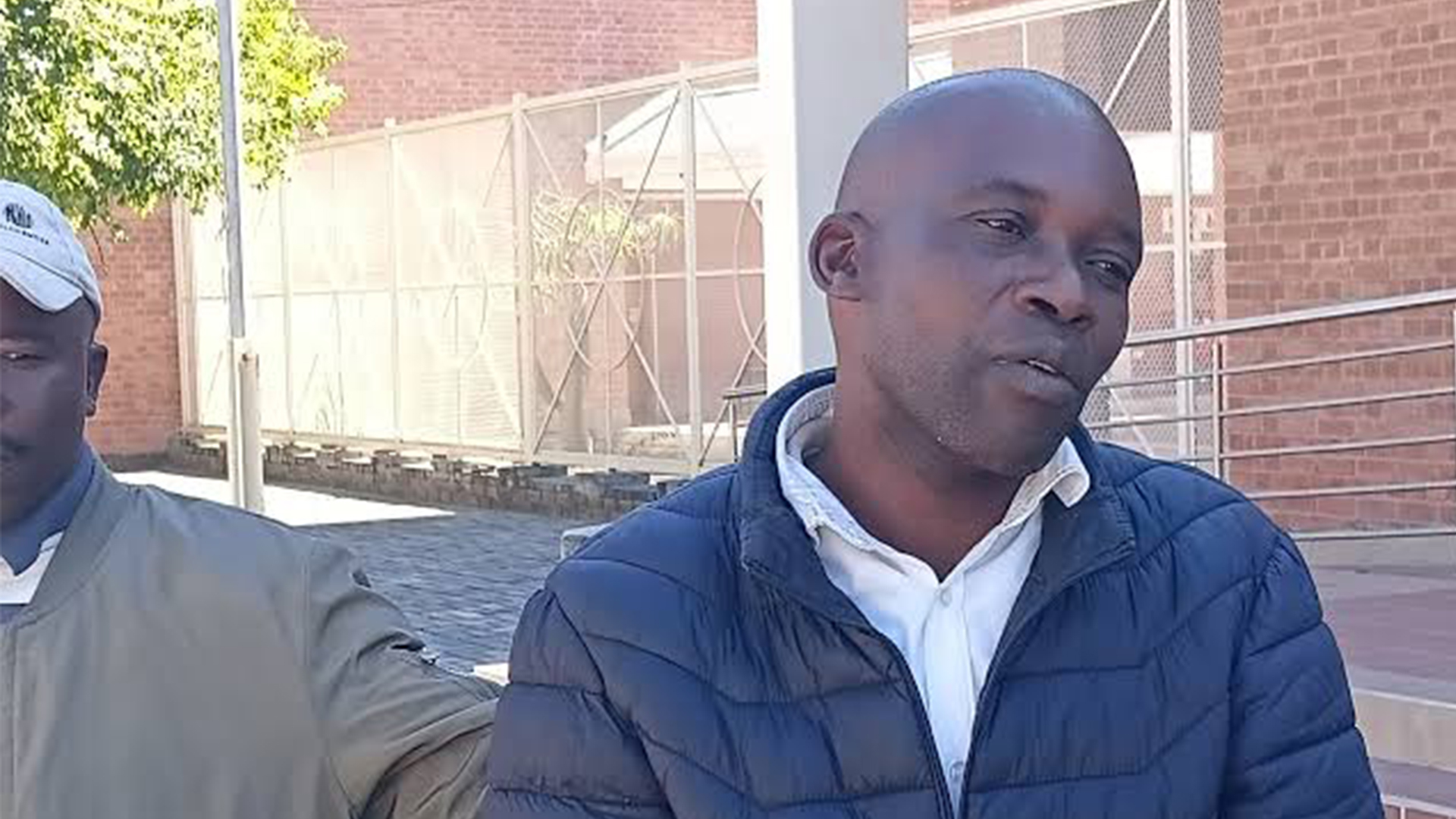
Mahalapye Magistrate Moruakgomo Threatening Charge: Faces Court
Summary
- Mahalapye Magistrate Kedirileng Venetia Moruakgomo appeared in Broadhurst Magistrate’s Court this week.
- She faces a charge of threatening to kill two people.
- The charge is contrary to Section 220 of the Penal Code (Cap. 08:01) of Botswana laws.
- The alleged incident occurred on or about October 11, 2026, at Flowertown in Mahalapye.
- Ms. Moruakgomo, aged 40, is accused of indirectly threatening to kill Tshoganetso... without lawful excuse.
Judicial Officer Faces Grave Allegations
This incident underscores the principle of accountability for judicial officers under Botswana's criminal law, reminding practitioners that even those in positions of authority are subject to legal scrutiny for alleged misconduct.
Mahalapye Magistrate Kedirileng Venetia Moruakgomo recently appeared before the Broadhurst Magistrate’s Court, where she is facing a serious criminal charge. The judicial officer is accused of threatening to kill two individuals, an allegation that has brought her before the court this week. This development marks a significant moment, as it involves a member of the judiciary being subjected to criminal proceedings.
According to the charge sheet presented in court, Ms. Moruakgomo, who is 40 years old, stands accused of contravening Section 220 of the Penal Code (Cap. 08:01) of the laws of Botswana. The specific details outlined in the charge allege that on or around October 11, 2026, at a location identified as Flowertown in Mahalapye, she indirectly threatened to kill a person named Tshoganetso... The charge explicitly states that this alleged action was carried out without any lawful justification or excuse. The case, now before the Broadhurst Magistrate's Court, underscores the principle that all individuals, including those in positions of legal authority, are subject to the nation's criminal statutes.
Legal Framework for Threatening Behavior
The charge against Magistrate Moruakgomo is rooted in Section 220 of Botswana's Penal Code, which specifically addresses the offense of threatening to kill. This particular section of the law, codified under Chapter 08:01, is designed to deter and punish individuals who make threats against the lives of others, regardless of whether the threat is direct or indirect. The inclusion of "without lawful excuse" in the charge sheet is a critical component, meaning the prosecution must demonstrate that the alleged threat was not made under circumstances where the law might permit such a statement, for instance, in self-defense or under duress, though no such context is implied in the current report.
The legal provision highlights the seriousness with which the Botswana legal system views threats to life. For an individual to be charged under this section, the act of threatening must be established, and the absence of a lawful excuse must be proven. The fact that the charge specifies an "indirect" threat indicates that the law's scope extends beyond explicit, direct statements, encompassing actions or words that convey a clear intention to cause harm or death, even if not overtly stated. This aspect of the Botswana Penal Code Section 220 ensures a comprehensive approach to protecting citizens from menacing behavior.
Implications for Judicial Conduct
The appearance of a Mahalapye Magistrate, Kedirileng Venetia Moruakgomo, in the Broadhurst Magistrate's Court on a criminal charge of threatening to kill carries significant weight for the judiciary and the broader legal system in Botswana. This incident underscores the principle of accountability for judicial officers under Botswana's criminal law, reminding practitioners that even those in positions of authority are subject to legal scrutiny for alleged misconduct. The case serves as a potent reminder that the rule of law applies universally, irrespective of one's professional standing within the justice system.
Such a judicial officer criminal charge in Botswana inevitably raises questions regarding judicial integrity and public confidence. When a member of the bench faces allegations of this nature, it can potentially impact how the public perceives the impartiality and ethical standards of the courts. Lawyers and legal observers may consider the broader implications for maintaining trust in the legal system, as the integrity of the judiciary is paramount to its effective functioning. The outcome of this Broadhurst Magistrate's Court case will undoubtedly be closely watched, not just for its specific legal findings but also for the message it sends about the standards expected of those who uphold justice. The legal system's response to this Kedirileng Venetia Moruakgomo charge will be crucial in affirming the principle that no one is above the law, reinforcing the foundation of justice in the nation.
Practical Implications
This incident underscores the principle of accountability for judicial officers under Botswana's criminal law, reminding practitioners that even those in positions of authority are subject to legal scrutiny for alleged misconduct. It may prompt lawyers to consider the broader implications for judicial integrity and public confidence in the legal system.
Source
How does this affect you?
Get an AI analysis of this article grounded in your jurisdictions, practice areas, and any policy documents you've uploaded to Wansom.
Finish Reading the Full Story and the Expert Analysis.
Get the latest legal & regulatory intelligence in Botswana
Wansom is AI and can make mistakes.