
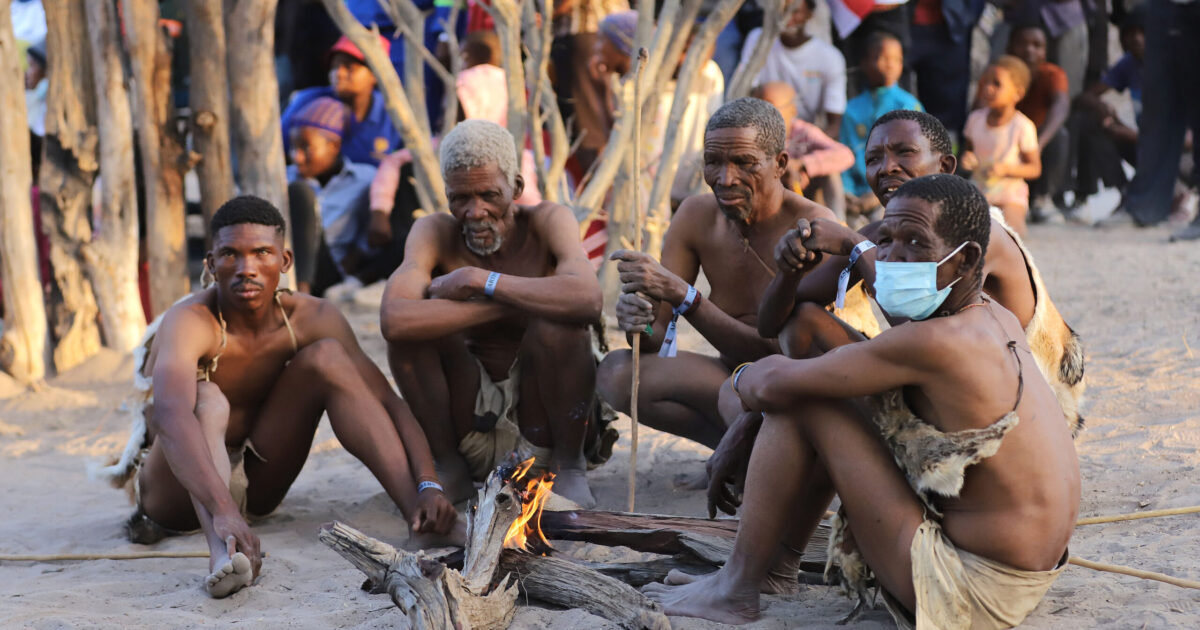
President Boko: Urged to Declare Basarwa Hunting Rights in CKGR
Summary
- Human rights lawyer Gordon Bennett has urged President Duma Boko to declare legal hunting rights for Basarwa in the Central Kalahari Game Reserve.
- A proposal is currently before President Boko that would allow Basarwa to obtain special licenses for hunting food.
- Bennett previously represented the Basarwa in a landmark case against the state, highlighting his long-standing advocacy.
- The declaration would enable Basarwa to legally hunt for sustenance, impacting their traditional way of life.
- This development could set a significant precedent for indigenous resource access and land use rights in Botswana.
Call for Presidential Action on Hunting Rights
For legal professionals advising clients on land use, environmental regulations, or human rights in Botswana, the progression of this proposal warrants close attention.
A prominent human rights attorney, Gordon Bennett, has recently called upon Botswana's President, Duma Boko, to formally declare the right for Basarwa communities residing within the Central Kalahari Game Reserve (CKGR) to engage in legal hunting for sustenance. This appeal comes as a proposal is currently under consideration by President Boko, which aims to facilitate the issuance of special licenses specifically for Basarwa hunting activities.
This initiative seeks to re-establish traditional hunting practices for food among the Basarwa people, a community with deep historical ties to the CKGR. The proposed declaration by President Boko, if issued, would represent a significant step in recognizing and formalizing these indigenous rights within the reserve. The focus is squarely on enabling the Basarwa to hunt for their dietary needs, underscoring the importance of traditional food sources for their way of life.
Legal Advocacy and Historical Context
Gordon Bennett is well-known for his dedicated advocacy on behalf of the Basarwa, having previously represented them in a pivotal legal battle against the state. His involvement in that landmark case highlights a long-standing struggle for the recognition of indigenous rights and access to ancestral lands and resources.
His current urging of President Boko to issue a Botswana indigenous rights declaration for hunting underscores the ongoing efforts to secure these fundamental entitlements. The proposed mechanism of special licenses suggests a regulated approach to allow Central Kalahari Game Reserve hunting, balancing conservation efforts with the cultural and nutritional needs of the Basarwa. The call for President Boko Basarwa hunting rights reflects a continued push for legal frameworks that acknowledge and protect the unique heritage of the Basarwa people.
Implications of the Proposed Declaration
Should President Duma Boko issue the requested declaration, it would provide a clear legal pathway for Basarwa in the CKGR to resume hunting for food under specific provisions. The introduction of special licenses, as outlined in the proposal, would serve as the regulatory instrument governing these activities, ensuring that hunting is conducted within defined parameters. This move could significantly impact the daily lives of the Basarwa, offering a more secure and legally recognized means of subsistence.
The potential Duma Boko hunting declaration carries substantial weight beyond just hunting permits; it could set a precedent for how indigenous communities' traditional land use and resource access are addressed in Botswana. It signals a potential shift towards greater recognition of customary practices within protected areas, an issue that has been central to human rights discussions concerning the Basarwa for many years.
Why It Matters for Legal Professionals
For legal professionals advising clients on land use, environmental regulations, or human rights in Botswana, the progression of this proposal warrants close attention. A presidential declaration affirming Basarwa hunting rights could fundamentally alter resource access rights for indigenous communities, establishing a new legal precedent for traditional land use claims across the nation. This development could influence how future cases involving indigenous populations and their ancestral territories are approached.
Understanding the nuances of such a declaration, including the framework for special licenses and its broader impact on conservation and human rights, will be crucial. The outcome of President Boko's consideration of this proposal will offer significant insights into the government's stance on balancing national development, environmental protection, and the rights of indigenous peoples, making it a key area for ongoing legal monitoring.
Practical Implications
Lawyers advising clients on land use, environmental regulations, or human rights in Botswana should monitor President Boko's response to this proposal, as a declaration could alter resource access rights for indigenous communities and set a precedent for similar claims regarding traditional land use.
Source
How does this affect you?
Get an AI analysis of this article grounded in your jurisdictions, practice areas, and any policy documents you've uploaded to Wansom.
Finish Reading the Full Story and the Expert Analysis.
Get the latest legal & regulatory intelligence in Botswana
Wansom is AI and can make mistakes.