
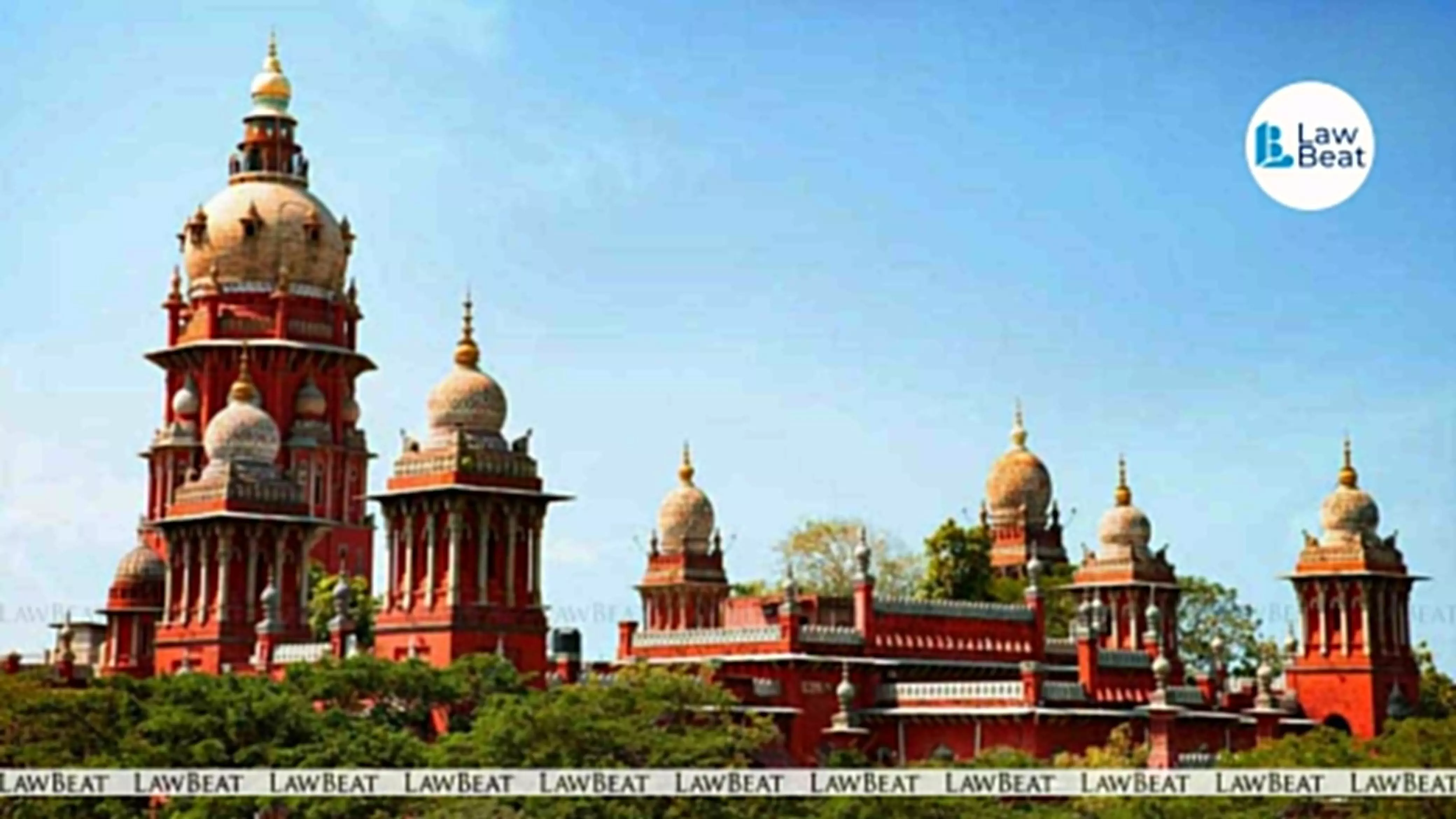
Madras High Court: St. Joseph's Church Encroachment Removal Ordered in Krishnagiri
Summary
- The Madras High Court ordered the removal of St. Joseph’s Church and other encroachments from government road land in Krishnagiri.
- The directive, based on the Tamil Nadu Land Encroachment Act, mandates completion of the removal within 12 weeks.
- The order followed a writ petition by Santhakumar, alleging illegal construction on 2.16 hectares of "J.F. Road Pattai" land.
- A survey identified multiple religious structures, commercial establishments, and shops on the encroached government property.
- The court emphasized that encroachers, including religious establishments, cannot be granted concessions at the public's expense.
Court Mandates Removal of Encroachments
The court's insistence that public land cannot be compromised for private or institutional gain, irrespective of potential social unrest, underscores a firm commitment to upholding the law and ensuring public resources are utilized for their intended purposes.
The Madras High Court recently issued a directive to Tamil Nadu authorities, mandating the removal of St. Joseph’s Church and various other structures from government road land located in the Krishnagiri district. This order, passed by a division bench comprising Justice S.M. Subramaniam and Justice R. Rajesh Vivekananthan on October 14, requires the state to complete the eviction process within 12 weeks, strictly adhering to the procedures outlined in relevant statutes. The land in question, approximately 2.16 hectares in Survey No. 370/1 of Mookondapalli village in Hosur taluk, is officially designated as "J.F. Road Pattai" in revenue records.
The court's decision stemmed from a writ petition filed by Santhakumar, the joint secretary of the Vishwa Hindu Parishad’s Tamil Nadu unit. Santhakumar had initially approached the High Court alleging that the church was being constructed unlawfully on government property without obtaining the necessary statutory approvals or permissions. He had previously submitted multiple representations to authorities in 2021—on April 9, April 16, June 7, and November 29—claiming inaction against the alleged encroachment. Adhiruban, the pastor of St. Joseph’s Church, was subsequently included in the proceedings as the 14th respondent on January 11, 2023. A survey conducted by the Taluk Deputy Surveyor on April 29, 2026, confirmed the presence of several religious structures, including Muthumariamman, Anjaneyar, Omsakthi, and Vinayagar temples, alongside St. Joseph’s Church, as well as commercial establishments and temporary shops on the identified government land.
Legal Framework and Enforcement
The High Court's directive is firmly rooted in the Tamil Nadu Land Encroachment Act, emphasizing the state's responsibility to reclaim public property. During the proceedings, revenue authorities presented status reports, and a Tahsildar’s report in June 2026 had already substantially corroborated the allegations of encroachment. While acknowledging the authorities' concerns about potential law-and-order issues arising from the eviction of religious establishments, the bench unequivocally stated that encroachers could not be granted any special concessions at the expense of public interest.
On October 14, the court was informed by the government advocate that notices under Section 7 of the Tamil Nadu Land Encroachment Act had been duly issued to all identified encroachers, providing them an opportunity to present their explanations. Following the review of these explanations, the authorities are slated to issue final notices under Section 6 of the Act, paving the way for enforcement actions. Senior counsel Father Xavier Arul Raj, representing the pastor of St. Joseph’s Church, contended that the petitioner had unfairly targeted the church despite the presence of numerous other structures on the government land. However, the court clarified that its ruling pertained specifically to the encroachments detailed in the Tahsildar’s report, affirming that any additional encroachments could be brought to the attention of the competent authorities.
Significance for Public Land Management
This ruling by the Madras High Court sends a clear message regarding the stringent enforcement of the Tamil Nadu Land Encroachment Act, particularly concerning the removal of structures, even those with religious significance, from government land. The court's insistence that public land cannot be compromised for private or institutional gain, irrespective of potential social unrest, underscores a firm commitment to upholding the law and ensuring public resources are utilized for their intended purposes. The directive for Krishnagiri government land removal highlights that long-standing presence or religious affiliation does not grant immunity from legal action when properties are built without proper statutory approvals on public land.
The judgment reinforces the critical importance of rigorous due diligence in land titles and the necessity of obtaining all requisite statutory approvals for any construction project within the state. It serves as a significant precedent, signaling to individuals, organizations, and compliance officers that government land, such as the "J.F. Road Pattai" in this case, is not available for unauthorized occupation, regardless of the nature of the structure. This decision aims to deter future instances of religious structure encroachment in India and other forms of illegal occupation, ensuring that public infrastructure and resources are protected for the benefit of all citizens.
Practical Implications
This ruling reinforces the strict enforcement of the Tamil Nadu Land Encroachment Act, signaling to lawyers and compliance officers that even religious or long-standing structures on government land are not exempt from removal orders. It underscores the importance of rigorous due diligence on land titles and proper statutory approvals for any construction in the state.
Source
How does this affect you?
Get an AI analysis of this article grounded in your jurisdictions, practice areas, and any policy documents you've uploaded to Wansom.
Finish Reading the Full Story and the Expert Analysis.
Wansom is AI and can make mistakes.