
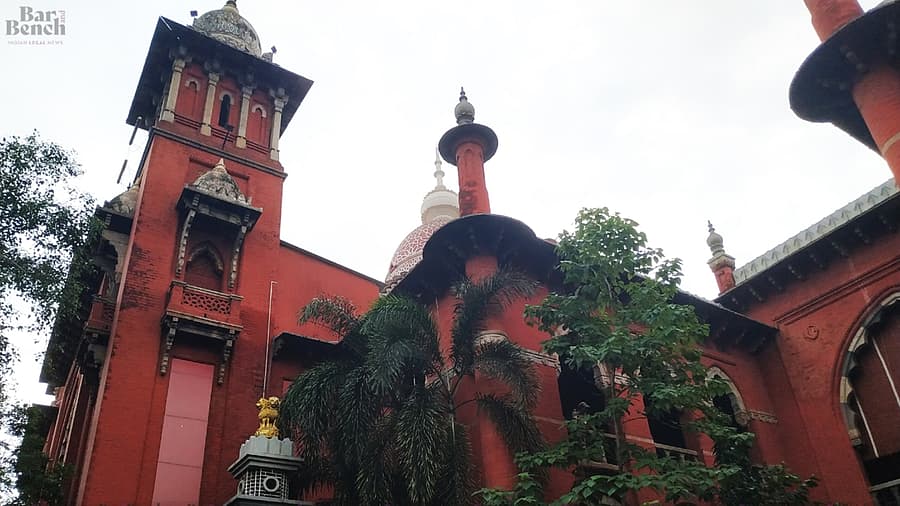
Madras High Court: Dalit Temple Untouchability Illegal, Violates Article 17
Summary
- The Madras High Court ruled that preventing Scheduled Caste individuals from entering a temple on caste grounds constitutes untouchability.
- Such an act violates Article 17 of the Constitution of India and makes the responsible person liable for prosecution.
- The ruling stemmed from a petition by V Sundaram seeking equal participation for the Milagu Kattan Adidravidar Community in a temple festival in Salem district.
- Justice D Bharatha Chakravarthy emphasized that no person can be denied temple entry or festival participation based on caste.
- The decision reinforces the constitutional prohibition against caste discrimination in religious spaces.
Madras High Court Upholds Anti-Untouchability Mandate
The Madras High Court has issued a significant ruling, affirming that any act preventing an individual from a Scheduled Caste community from entering a temple or participating in its festivities, if based on casteist grounds, constitutes the practice of untouchability.
The Madras High Court has issued a significant ruling, affirming that any act preventing an individual from a Scheduled Caste community from entering a temple or participating in its festivities, if based on casteist grounds, constitutes the practice of untouchability. This judicial pronouncement directly links such discriminatory actions to a violation of the fundamental rights enshrined in Article 17 of the Constitution of India, which explicitly abolishes untouchability in all its forms.
Justice D Bharatha Chakravarthy, presiding over the matter, underscored that no person can legitimately be barred from accessing a temple or engaging in its associated rituals due to their caste identity. The court's declaration makes it unequivocally clear that such exclusionary practices are not merely social injustices but are illegal acts with severe consequences. This decision reinforces the constitutional prohibition against caste-based discrimination in public spaces, particularly places of worship.
The ruling further stipulates that individuals found responsible for denying temple access on casteist grounds, especially to members of Scheduled Castes, will face legal prosecution. This aspect of the judgment introduces a direct criminal liability for those who perpetuate such discriminatory practices, moving beyond mere condemnation to enforce punitive measures. The case, identified as Sundaram Vs District Collector, sets a crucial precedent for upholding equality and access within religious institutions.
Genesis of the Legal Challenge
The High Court's observations arose from a petition filed by V Sundaram, who sought to ensure equitable representation and participation for members of the Milagu Kattan Adidravidar Community. The community was seeking to participate in the chariot festival of the Arulmigu Muthu Mariamman Temple, located in Ramanayakkanpalayam within Salem district. Sundaram’s plea highlighted concerns regarding potential exclusion based on caste during this important religious event.
The petitioner specifically requested that district authorities be directed to guarantee that members of the Milagu Kattan Adidravidar Community could partake in the festival on an equal footing with all other sections of society. Furthermore, Sundaram sought injunctions against certain private respondents who were allegedly preventing the community's participation. This legal challenge brought to the forefront the persistent issue of caste discrimination temple entry and the need for judicial intervention to secure fundamental rights.
Legal Framework and Constitutional Safeguards
The Madras High Court's ruling firmly grounds the prohibition of caste-based temple entry denial within the constitutional framework of India. Article 17 of the Constitution of India explicitly abolishes untouchability and forbids its practice in any form. The enforcement of any disability arising out of 'untouchability' is deemed an offense punishable by law. This judgment directly applies this constitutional mandate to the context of religious worship, clarifying that preventing Scheduled Caste temple access falls squarely under the ambit of untouchability.
By declaring that such acts would amount to the practice of untouchability, the court has provided a clear legal interpretation that strengthens the protection afforded to marginalized communities. The pronouncement by Justice D Bharatha Chakravarthy serves as a powerful reminder that fundamental rights, particularly those safeguarding against caste discrimination, are enforceable and carry legal repercussions for their violation. The ruling underscores the state's responsibility to ensure that all citizens, irrespective of their caste, have equal access to public religious spaces and participation in community festivals.
Broader Implications for Religious Institutions
This decision by the Madras High Court carries significant implications for the management and conduct of religious institutions across the region, particularly concerning Madras High Court Dalit temple untouchability. It sends a clear message that traditional practices or local customs cannot supersede the constitutional guarantee of equality and the prohibition of untouchability. The court's stance reinforces that the practice of untouchability, even in the guise of temple entry restrictions, is a serious offense.
The judgment effectively mandates that religious institutions and community leaders must actively ensure non-discriminatory access and participation for all individuals, especially members of Scheduled Castes. The threat of prosecution for those who prevent temple entry on casteist grounds serves as a strong deterrent against such discriminatory actions. This ruling is a vital step towards eradicating caste-based exclusion from places of worship, promoting social harmony, and upholding the dignity and fundamental rights of all citizens.
Practical Implications
This ruling clarifies that preventing temple entry based on caste grounds constitutes untouchability under Article 17, making individuals liable for prosecution. Lawyers advising religious institutions or community leaders must ensure compliance with this interpretation to avoid legal challenges and criminal liability.
Source
How does this affect you?
Get an AI analysis of this article grounded in your jurisdictions, practice areas, and any policy documents you've uploaded to Wansom.
Finish Reading the Full Story and the Expert Analysis.
Wansom is AI and can make mistakes.