
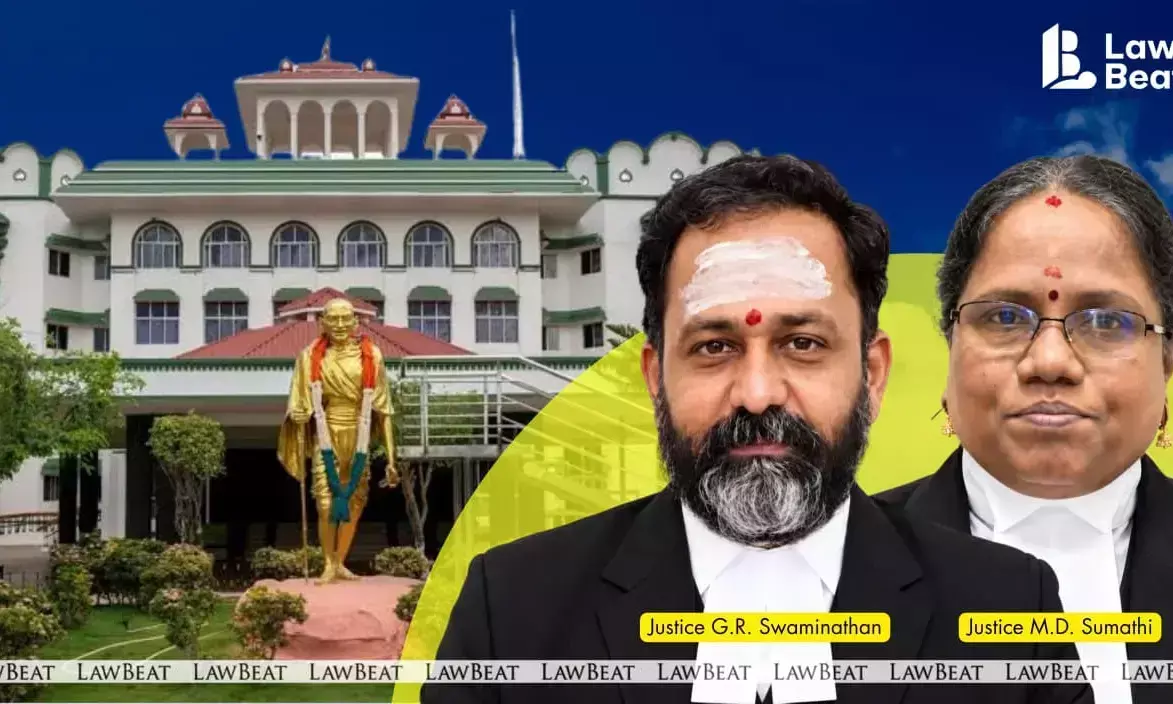
Madras HC: Questions Manathin Kural Rejection for Public Libraries
Summary
- The Madurai Bench of the Madras High Court appreciated PM Modi's 'Mann Ki Baat' initiative.
- The court questioned the rejection of 'Manathin Kural', its Tamil translation, for public libraries.
- 'Manathin Kural' was reportedly recommended but ultimately not procured for libraries across Tamil Nadu.
- The Director of Public Libraries Tamil Nadu, IAS officer R.V. Shajeevana, remained silent when asked to explain the rejection.
- The court's inquiry highlights concerns about transparency in public library acquisitions.
Court Questions Library Rejection
This judicial inquiry centers on why a publication, reportedly recommended for inclusion in the state's public library system, was ultimately not procured.
The Madurai Bench of the Madras High Court recently expressed its appreciation for Prime Minister Narendra Modi's 'Mann Ki Baat' initiative, acknowledging its role in highlighting the accomplishments of individuals from various, often remote, regions of the country. However, the court simultaneously raised significant questions regarding the reported rejection of 'Manathin Kural', the Tamil translation of the Prime Minister's popular radio program, for acquisition by public libraries throughout Tamil Nadu.
This judicial inquiry centers on why a publication, reportedly recommended for inclusion in the state's public library system, was ultimately not procured. The court's dual stance — commending the original program while scrutinizing the rejection of its Tamil counterpart — underscores a concern for public access to information and the transparency of administrative decisions in library acquisitions. The specific focus on the Madras HC Manathin Kural rejection libraries issue signals a deeper look into the processes governing what content is made available to the public.
Administrative Silence Under Scrutiny
A key point of contention for the Madras High Court in this matter was the lack of response from the Director of Public Libraries Tamil Nadu, IAS officer R.V. Shajeevana. When questioned about the reasons behind the decision to reject 'Manathin Kural' for public libraries, the Director reportedly maintained silence. This administrative silence has drawn judicial attention, suggesting a potential lack of transparency or accountability in the decision-making process concerning public resources and information dissemination.
The court's questioning of the rejection, particularly in light of the Director's silence, highlights the importance of clear justifications for administrative actions, especially those affecting public access to diverse content. This scenario provides a critical example for lawyers advising on administrative law, demonstrating how courts may intervene to ensure that public bodies provide rationale for their decisions, particularly when those decisions appear to contradict public interest or established recommendations. The Madurai Bench Mann Ki Baat inquiry thus extends beyond the specific publication to the principles of good governance.
Implications for Public Information Access
The Madras High Court's intervention in the matter of 'Manathin Kural Tamil Nadu libraries' procurement carries broader implications for how public institutions manage content and ensure access for citizens. Public libraries serve as vital hubs for information and cultural exchange, and decisions regarding their collections are expected to be made with transparency and a clear rationale. The court's appreciation for the original 'Mann Ki Baat' initiative, which aims to connect with citizens and share positive stories, contrasts sharply with the unexplained rejection of its Tamil version, raising questions about the criteria applied.
This case underscores the potential for judicial review when administrative decisions appear opaque or arbitrary, particularly when public access to information or cultural content is at stake. The court's continued interest in this matter, as reported on November 16, 2026, suggests an ongoing commitment to upholding principles of accountability within public administration. The scrutiny over the PM Modi radio program Tamil translation's rejection could set a precedent for challenging similar administrative actions in the future, emphasizing the need for robust justification in all public procurement processes.
Practical Implications
Lawyers advising on administrative law or public procurement should note the Madras High Court's scrutiny of government decisions regarding public library acquisitions. This case highlights the potential for judicial review of opaque rejections of materials, particularly when public access to information or cultural content is at stake, and could inform strategies for challenging similar administrative actions.
Source
How does this affect you?
Get an AI analysis of this article grounded in your jurisdictions, practice areas, and any policy documents you've uploaded to Wansom.
Finish Reading the Full Story and the Expert Analysis.
Get the latest legal & regulatory intelligence in India
Wansom is AI and can make mistakes.