
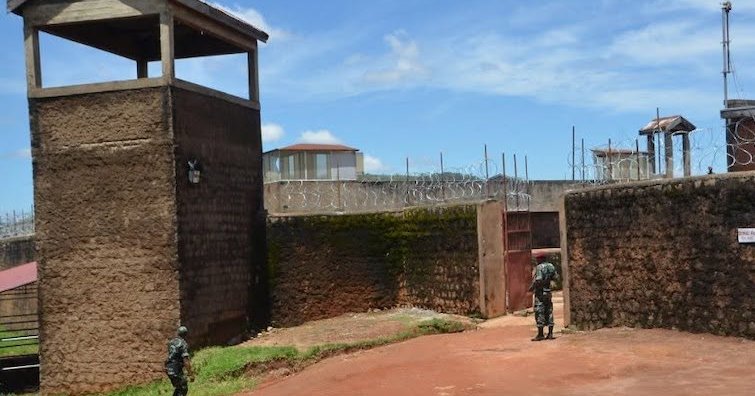
Colonel Patrick Rakotomamonjy: Tsiafahy Rights Concerns Reignite Debate
Summary
- Colonel Patrick Rakotomamonjy, a military doctor, has been detained at Tsiafahy prison since April 16, 2026.
- He faces charges related to an alleged assassination attempt targeting Michaël, the President of the Refondation.
- Concerns regarding Colonel Rakotomamonjy's health have reignited a long-standing debate about detention conditions and fundamental rights in Malagasy prisons.
- The situation at Tsiafahy prison highlights broader issues concerning the treatment of detainees and adherence to human rights standards in Madagascar.
The Case of Colonel Patrick Rakotomamonjy
The unfolding narrative around Colonel Patrick Rakotomamonjy Tsiafahy rights carries significant implications for the broader landscape of justice and human rights oversight in Madagascar.
Colonel Patrick Rakotomamonjy, a military doctor, has been held at Tsiafahy prison since April 16, 2026. His detention stems from an ongoing legal proceeding where he faces charges related to an alleged assassination attempt. The target of this purported plot was Michaël, identified as the President of the Refondation.
Recent reports concerning Colonel Patrick Rakotomamonjy's health have brought the high-security facility back into public discourse. These emerging concerns about his well-being while incarcerated have reignited a broader discussion about the standards of care and human rights within the Malagasy correctional system, particularly at Tsiafahy. The focus on Colonel Patrick Rakotomamonjy's detention has thus become a focal point for scrutinizing the conditions faced by individuals within the nation's carceral institutions.
Scrutiny of Tsiafahy Prison Conditions
The situation involving Colonel Patrick Rakotomamonjy at Tsiafahy prison is not an isolated incident but rather the latest development in a persistent debate surrounding the facility. Tsiafahy, known for its imposing walls, has long been associated with questions regarding the treatment of its inmates and the adherence to established fundamental detainee rights. This enduring controversy, often referred to as the "Maison de force Tsiafahy polémique," underscores systemic challenges within Madagascar's penal system.
The renewed attention on Tsiafahy prison conditions Madagascar highlights deep-seated concerns that extend beyond individual cases. Advocates and observers have consistently pointed to alleged deficiencies in the environment and protocols governing detention, suggesting a need for comprehensive review and reform. The current focus on Colonel Patrick Rakotomamonjy's health serves as a stark reminder of these ongoing issues, bringing the broader discourse on Madagascar fundamental detainee rights to the forefront once more.
Legal and Human Rights Context in Madagascar
The renewed scrutiny prompted by Colonel Patrick Rakotomamonjy's detention directly implicates the framework of fundamental detainee rights in Madagascar. International and national legal standards mandate specific protections for individuals deprived of their liberty, encompassing aspects such as health care, humane treatment, and due process. The ongoing "Maison de force Tsiafahy polémique" suggests that these foundational principles may not always be consistently upheld within the nation's correctional facilities.
Discussions surrounding the "Droits des détenus Madagascar" are critical, especially when high-profile cases like that of Colonel Patrick Rakotomamonjy bring prison conditions into sharp relief. The integrity of the justice system hinges on ensuring that even those accused of serious crimes are afforded their basic human dignity and legal entitlements. The current concerns act as a barometer for the state of human rights observance within the Malagasy carceral landscape, demanding a thorough examination of practices at Tsiafahy and beyond.
Broader Implications for Justice and Oversight
The unfolding narrative around Colonel Patrick Rakotomamonjy Tsiafahy rights carries significant implications for the broader landscape of justice and human rights oversight in Madagascar. When the health and fundamental rights of a detainee, particularly one involved in a high-profile case, become a subject of public concern, it inevitably prompts a re-evaluation of the entire detention system. This situation underscores the critical need for transparency and accountability within correctional institutions across the country.
The persistent "Maison de force Tsiafahy polémique" demonstrates that the issues at hand are not merely administrative but touch upon core tenets of a just society. The outcome and handling of Colonel Patrick Rakotomamonjy's detention, especially concerning his health, could set precedents for how Madagascar addresses fundamental detainee rights moving forward. It serves as a crucial moment for stakeholders to reinforce commitments to human rights standards and ensure that Tsiafahy prison conditions Madagascar align with national and international legal obligations.
Practical Implications
This article serves as a critical alert for lawyers representing clients detained in Madagascar, particularly at Tsiafahy prison, to closely monitor the evolving discourse and potential legal challenges regarding fundamental detainee rights. It underscores the importance of scrutinizing detention conditions and preparing for potential human rights litigation or advocacy.
Source
How does this affect you?
Get an AI analysis of this article grounded in your jurisdictions, practice areas, and any policy documents you've uploaded to Wansom.
Finish Reading the Full Story and the Expert Analysis.
Wansom is AI and can make mistakes.