
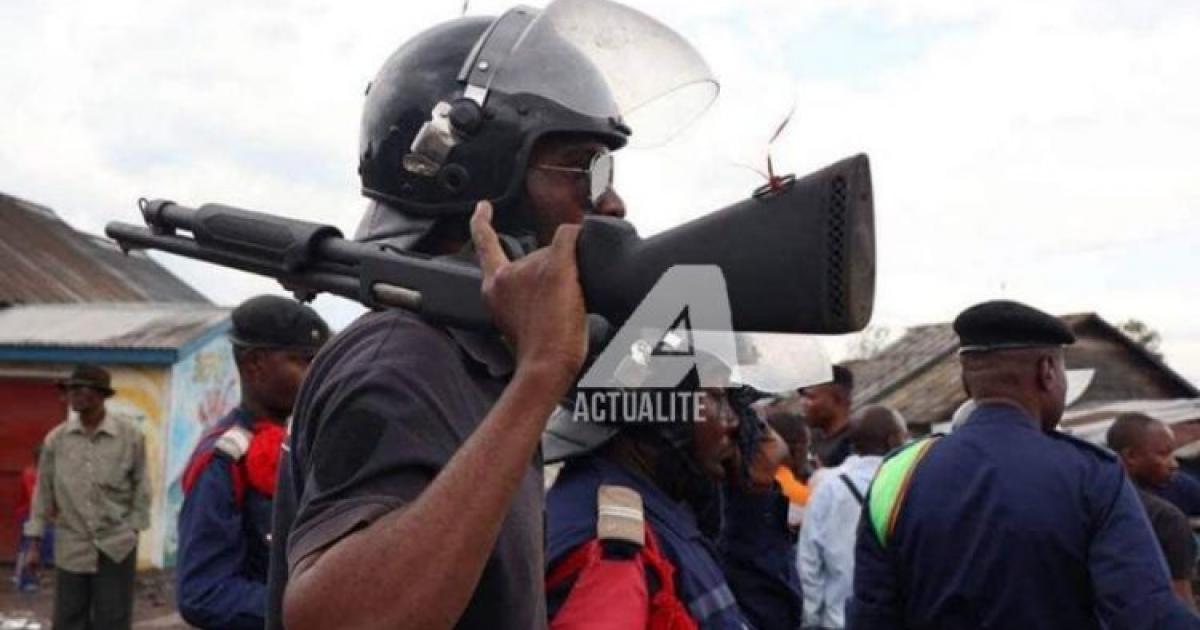
Lubumbashi: Police Officer Arrested for Assault, Judicial Action Planned
In Lubumbashi, Haut-Katanga, a member of the Congolese National Police (PNC) was recently arrested for allegedly assaulting a woman with his AK-47, an incident that has sparked significant public indignation, with the PNC of Haut-Katanga publicly committing to pursuing judicial action, as reported on August 24, 2026. This serious allegation involves a state security agent using a service weapon in a violent manner against a civilian, prompting a formal response from the police hierarchy to ensure accountability.
This incident carries substantial legal significance, particularly in the context of police accountability, human rights, and the rule of law within the Democratic Republic of Congo. For legal practitioners, it underscores the persistent challenges of addressing misconduct within state security forces and highlights the critical importance of robust judicial oversight and internal disciplinary mechanisms. The PNC's stated intention to pursue judicial action is a crucial signal, at least at the provincial level, of a commitment to address serious allegations of abuse of power, which can influence public trust in law enforcement and potentially set precedents for future cases involving police brutality. Such cases are vital for upholding constitutional principles that guarantee citizens' rights to physical integrity and protection from arbitrary violence.
The legal framework applicable to this case primarily falls under the criminal law of the Democratic Republic of Congo. The alleged actions would likely constitute offenses such as "coups et blessures volontaires" (intentional assault and battery), potentially aggravated by the use of a firearm and the perpetrator's status as a law enforcement officer. These offenses and their corresponding penalties are defined within the RDC's Penal Code (Code Pénal). Beyond criminal law, the case also implicates constitutional provisions safeguarding human rights, including the right to physical integrity. Furthermore, the internal regulations and disciplinary codes of the Congolese National Police would be relevant, as the officer could face both criminal prosecution and internal disciplinary measures. The judicial process would typically involve an investigation by the public prosecutor's office (Parquet), followed by proceedings in the appropriate criminal court, such as the Tribunal de Grande Instance or Tribunal de Paix, depending on the severity of the charges.
The key parties involved in this matter are the arrested police officer, the alleged victim (a woman), and the Congolese National Police (PNC) of Haut-Katanga, which has publicly committed to initiating judicial follow-up. The broader public in Lubumbashi is also a significant stakeholder, given the reported "indignation" surrounding the incident, which places additional pressure on the authorities to ensure a fair and transparent process. The excerpt does not report the outcome of the judicial process, only the intent to pursue it.
Attorneys should closely monitor the judicial proceedings in this case, as it could serve as an important indicator of the effectiveness and impartiality of police accountability mechanisms in the RDC. Lawyers representing victims of police brutality should note the PNC's public commitment to judicial follow-up, which might suggest a more receptive environment for such complaints. Conversely, defense attorneys representing state agents accused of misconduct will need to be thoroughly versed in both criminal law and the specific regulations governing law enforcement. This case also highlights the ongoing need for legal aid organizations and human rights advocates to continue their work in promoting security sector reform and ensuring access to justice for all citizens.
How does this affect you?
Get an AI analysis of this article grounded in your jurisdictions, practice areas, and any policy documents you've uploaded to Wansom.
Wansom is AI and can make mistakes.