
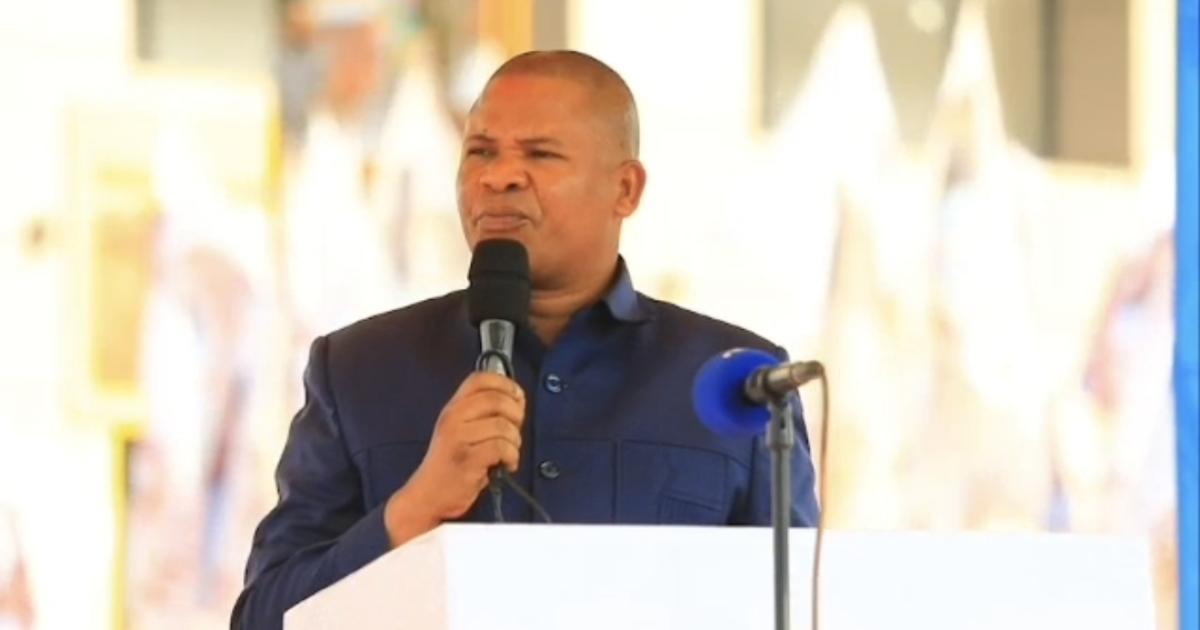
Lubumbashi Governor: Pledges State Support for Justice in Tshamalale Concession Case
The interim Governor of Haut-Katanga, Martin Kazembe Shula, pledged state support for upholding justice in the Tshamalale concession case during a meeting with Archbishop Fulgence Muteba in Lubumbashi on Wednesday, November 25, 2026. This commitment was made to reassure the Catholic Church of the government's intention to ensure that justice is respected in this specific matter. While the excerpt does not detail the specifics of the Tshamalale concession case, the governor's public promise signifies an official acknowledgment of the issue and an intent to involve state mechanisms to resolve it, likely in response to concerns raised by the Church, indicating a matter of significant public or community interest.
This event highlights the intricate intersection of political authority, religious influence, and the pursuit of justice in the Democratic Republic of Congo. For legal practitioners, it underscores the importance of understanding the various stakeholders and informal channels that can influence legal processes, particularly in sensitive land or resource-related disputes. The governor's public commitment suggests that the state intends to actively engage in resolving the Tshamalale concession issue, potentially through administrative, judicial, or mediation processes. This could set a precedent for how similar disputes involving powerful entities or community interests are handled, emphasizing the need for a multi-faceted approach to legal strategy.
The legal context for this situation would primarily involve land law, property rights, and potentially administrative law in the DRC. Concessions, particularly those involving land or natural resources, are governed by specific legislation, such as the Land Law (Loi foncière) and relevant mining codes, which define ownership, usage rights, and dispute resolution mechanisms. The governor's promise to "make justice respected" implies an adherence to these existing legal frameworks and a commitment to ensure their fair application. The involvement of the Catholic Church suggests that there may be underlying social justice or community rights issues at play, which often fall under the broader constitutional guarantees of human rights and due process, adding a layer of complexity to the legal considerations.
The key parties explicitly mentioned are Martin Kazembe Shula, the interim Governor of Haut-Katanga, representing the provincial government, and Archbishop Fulgence Muteba, representing the Catholic Church. The "Tshamalale concession" is the subject of the dispute, implying that there are other parties involved in that specific concession, such as concession holders, local communities, or other government entities, though they are not explicitly named in the excerpt. The interaction highlights the role of influential non-state actors, like the Church, in advocating for justice.
Attorneys advising clients on land, property, or resource concessions in the DRC, particularly in Haut-Katanga, should note the potential for high-level political and religious intervention in disputes. It is crucial to understand the full scope of stakeholders and their influence, as these can significantly impact the trajectory and resolution of legal matters. Practitioners should be prepared to navigate not only formal legal channels but also engage with political and community leaders when representing clients in sensitive concession matters. The specific outcome or resolution of the Tshamalale concession case is not reported in this excerpt.
How does this affect you?
Get an AI analysis of this article grounded in your jurisdictions, practice areas, and any policy documents you've uploaded to Wansom.
Finish Reading the Full Story and the Expert Analysis.
Get the latest legal & regulatory intelligence in DR Congo
Wansom is AI and can make mistakes.