
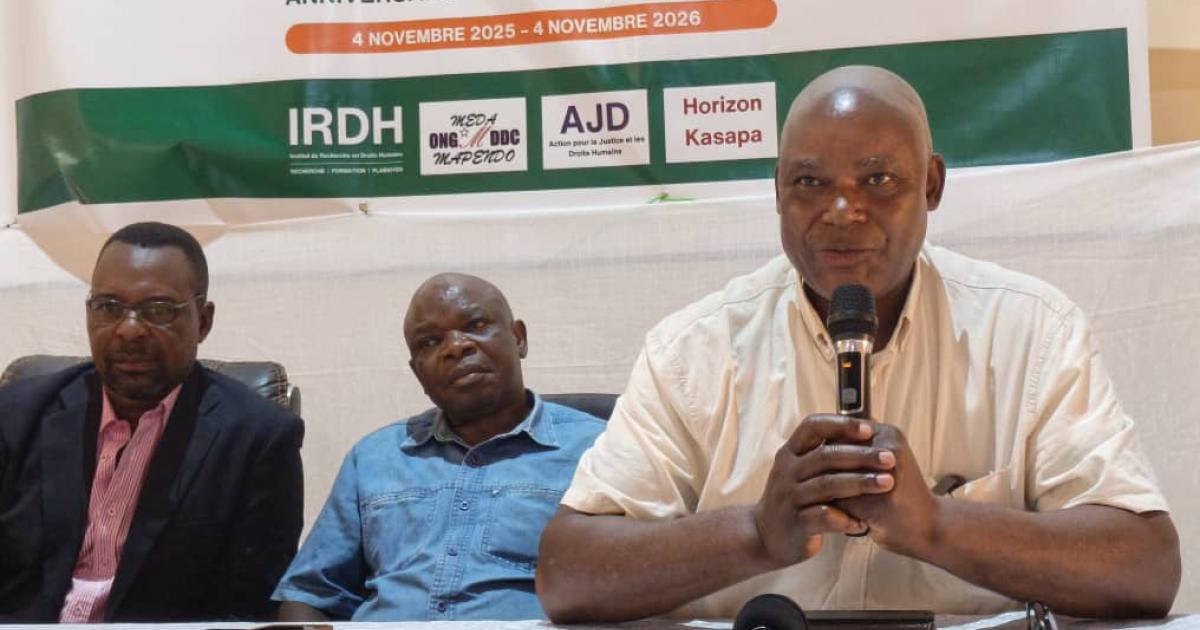
NGOs Demand Louis Watum Kabamba Interpellation: CDM Pollution
Summary
- Environmental pollution affected Kasapa, Kamatete, and Kamisepe neighborhoods in Lubumbashi one year ago.
- Local communities continue to seek justice and reparation for the environmental damage.
- Non-governmental organizations are demanding the interpellation of Louis Watum Kabamba.
- The call for Kabamba's questioning is based on allegations of "complacent management of the catastrophe."
- This situation highlights increasing pressure for executive accountability for environmental negligence in the DRC.
What Happened
This development signals increasing pressure from civil society for accountability of corporate executives in the DRC for environmental negligence.
The city of Lubumbashi, a key urban center in the Democratic Republic of Congo, has been the site of a significant environmental pollution incident that continues to draw public concern. Specifically, the neighborhoods of Kasapa, Kamatete, and Kamisepe bore the brunt of this ecological damage. A full year has now elapsed since the initial pollution event, yet its repercussions are still deeply felt by the local population.
Residents in these affected areas have consistently voiced their ongoing need for both justice and appropriate reparation for the extensive damage incurred. The pollution, which has been implicitly linked to the operations of CDM (Compagnie Minière du Sud Katanga), a prominent industrial entity in the region, has prompted sustained calls from the communities directly impacted. For twelve months following the initial incident, the affected residents have maintained their stance, seeking accountability and redress for the environmental degradation that has disrupted their lives and surroundings.
Calls for Accountability
In response to the persistent environmental damage and the unaddressed grievances of the affected communities, non-governmental organizations have intensified their efforts to secure accountability. These advocacy groups are specifically advocating for the interpellation—a formal questioning or even arrest—of Louis Watum Kabamba, a figure associated with the management of the situation at CDM. The demand for his direct involvement in legal proceedings stems from serious allegations of "complacent management of the catastrophe," suggesting a perceived failure in adequately addressing the environmental fallout, directly linking to the `Louis Watum Kabamba interpellation CDM pollution`.
The push for Mr. Kabamba's interpellation highlights a growing focus on `DRC executive environmental liability` within the country's vital mining sector. NGOs argue that his alleged complacent oversight contributed significantly to the severity or persistence of the environmental issues caused by CDM operations in Lubumbashi. This specific demand underscores the increasing pressure from civil society for executives to be held personally responsible for environmental incidents under their watch, moving beyond corporate liability alone and emphasizing individual culpability. This is a clear instance where `NGOs demand Watum arrest` is being articulated.
Broader Implications
The ongoing demands for justice and reparation from the communities in Kasapa, Kamatete, and Kamisepe, coupled with the NGOs' explicit call for Louis Watum Kabamba's interpellation, collectively underscore a significant and evolving shift in the landscape of environmental governance in the Democratic Republic of Congo. This concerted collective action signals a heightened expectation for robust environmental compliance and a more stringent approach to `Congo mining pollution charges` across the industry. The specific focus on an individual executive, rather than solely the corporate entity, represents a notable and potentially precedent-setting development in the country's legal and social spheres.
This development signals increasing pressure from civil society for accountability of corporate executives in the DRC for environmental negligence. The insistence on interpellation for "complacent management" suggests that passive oversight, inadequate response, or perceived indifference to environmental disasters could increasingly lead to personal legal consequences for those in leadership positions. Such determined actions by NGOs and local communities are setting a powerful precedent, emphasizing that proactive environmental stewardship is not merely a corporate policy but a critical personal responsibility for executives, particularly within the resource-rich regions like Lubumbashi where mining activities are prevalent.
Practical Implications
This development signals increasing pressure from civil society for accountability of corporate executives in the DRC for environmental negligence. Lawyers should advise clients, especially in the mining sector, on robust environmental compliance frameworks and potential personal liability risks for executives in the event of environmental disasters.
Source
How does this affect you?
Get an AI analysis of this article grounded in your jurisdictions, practice areas, and any policy documents you've uploaded to Wansom.
Wansom is AI and can make mistakes.