
North Kivu Military Governor: Kyavinyonge Residents Voice Concerns
Summary
- On November 3, the military governor of North Kivu visited Kyavinyonge, a lakeside town on Lake Edward.
- Civil society actors presented a list of major difficulties faced by the community during this visit.
- Key concerns included frequent arrests of fishermen and tensions with the Institut Congolais pour la Conservation de la Nature (ICCN).
- Residents also reported a lack of potable water and limited access to natural resources.
- The community's grievances highlight significant challenges in resource management and basic service provision.
Recent Engagement in Kyavinyonge
The collective list of difficulties presented to the North Kivu military governor paints a stark and clear picture of a community struggling profoundly with both immediate enforcement-related issues and deeply entrenched, long-term developmental challenges that demand comprehensive solutions.
On Tuesday, November 3, the military governor of North Kivu conducted an official visit to Kyavinyonge, a vital lakeside community nestled along the shores of Lake Edward. This significant engagement provided a crucial opportunity for local civil society representatives to directly articulate the pressing challenges confronting the residents of this area. The governor's presence in Kyavinyonge underscored the ongoing efforts by regional authorities to address issues of stability, security, and community welfare within North Kivu, a province that frequently contends with various socio-economic and security complexities. The visit itself was a moment for direct interaction between the populace and a key governmental figure.
Core Community Grievances
The civil society actors meticulously outlined several key issues that are a source of considerable distress and instability for the inhabitants of Kyavinyonge. Among the most prominent concerns raised were the frequent arrests of local fishermen, an issue that significantly impedes their ability to sustain their families and contribute meaningfully to the local economy. These detentions often arise from complex disputes over fishing rights and access to the lake's vital resources, creating an environment of pervasive uncertainty and fear among those who depend entirely on fishing for their daily survival and economic stability. The repeated nature of these arrests suggests a systemic problem requiring urgent resolution.
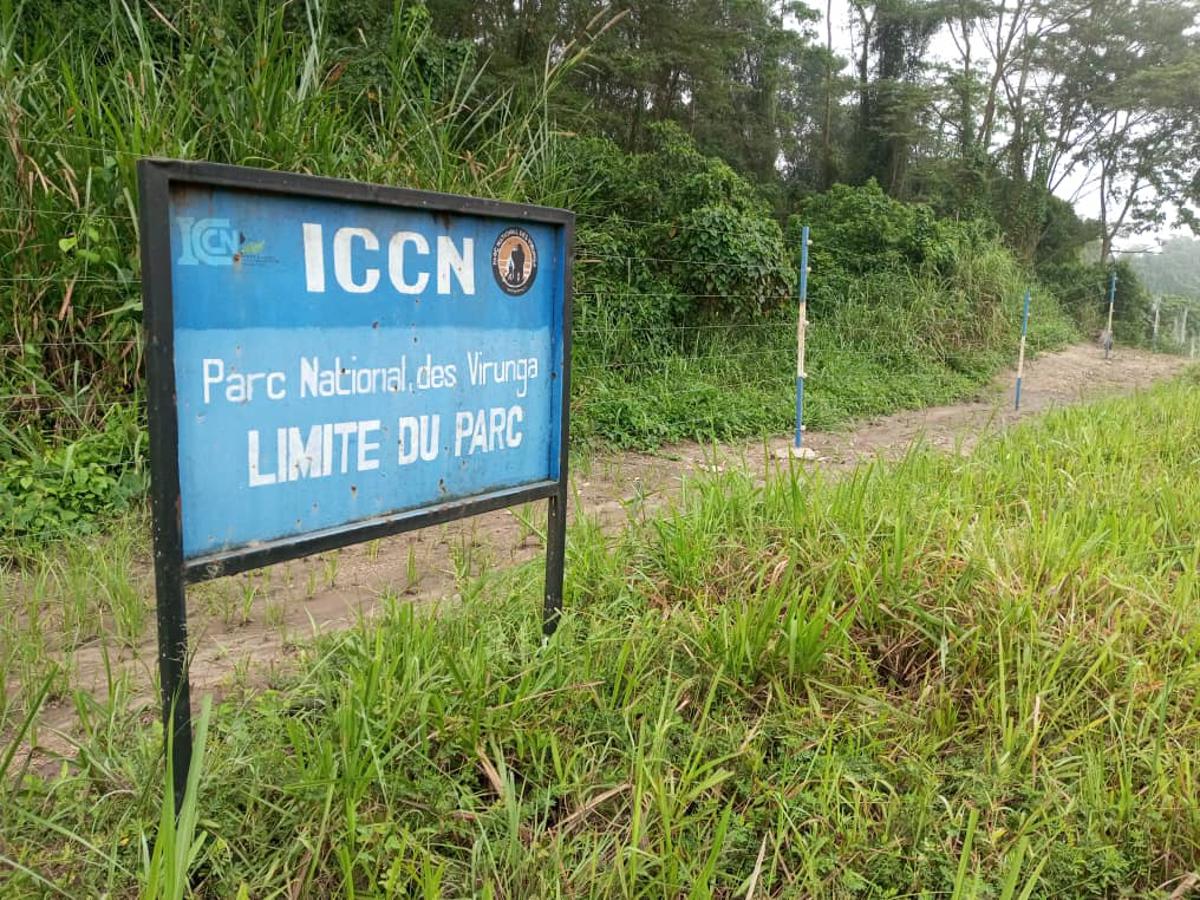
Furthermore, the community voiced significant and ongoing tensions with the Institut Congolais pour la Conservation de la Nature (ICCN), the national body entrusted with the management and protection of designated conservation areas. These frictions frequently materialize from the enforcement activities undertaken by the ICCN, particularly when local residents perceive these actions as infringing upon their traditional and customary access to natural resources. This strained relationship with the ICCN is a recurring and central theme in the array of grievances presented to the military governor, clearly indicating a pressing need for clearer operational guidelines, improved communication channels, and a more collaborative approach to resource management in the region.
Resource Scarcity and Access Challenges
Beyond the immediate and pressing issues of fishing arrests and the ongoing disputes with the ICCN, the Kyavinyonge community also highlighted fundamental problems related to the availability of basic necessities. A critical and pervasive concern is the widespread lack of potable water, which not only poses significant public health risks but also creates immense daily hardships for residents attempting to meet their most basic needs. The consistent struggle for access to clean drinking water remains a fundamental challenge, underscoring the broader infrastructure deficits and developmental gaps prevalent in the area. This lack of essential services significantly impacts the quality of life.
Moreover, the civil society representatives specifically emphasized the severely limited access to natural resources, a problem that extends beyond mere fishing rights to encompass other vital elements crucial for subsistence and traditional livelihoods. This restriction on resource access severely exacerbates the already precarious economic vulnerability of the lakeside town's population, effectively hindering their ability to engage in traditional economic activities and secure essential provisions for their households. The collective list of difficulties presented to the North Kivu military governor paints a stark and clear picture of a community struggling profoundly with both immediate enforcement-related issues and deeply entrenched, long-term developmental challenges that demand comprehensive solutions.
Practical Implications
Lawyers advising clients operating or residing in Kyavinyonge, North Kivu, should be aware of the reported grievances concerning fishing rights, ICCN enforcement, and resource access, as these issues may lead to legal disputes, human rights violations, or administrative challenges requiring legal counsel.
Source
How does this affect you?
Get an AI analysis of this article grounded in your jurisdictions, practice areas, and any policy documents you've uploaded to Wansom.
Wansom is AI and can make mistakes.