
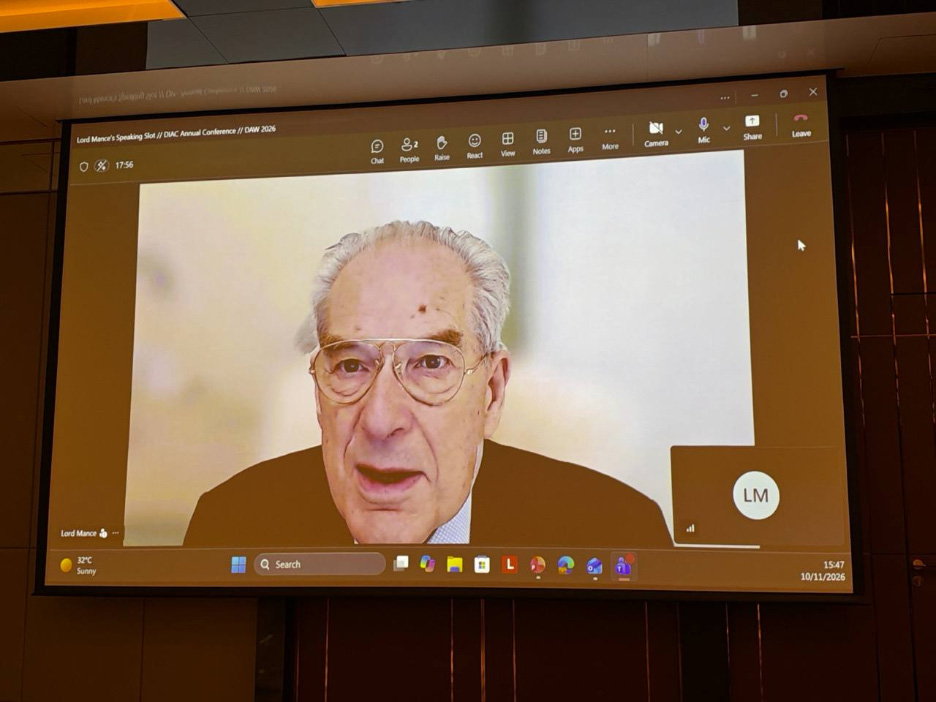
Lord Mance: Dubai Arbitration Week Addresses Due Process Paranoia
Summary
- Lord Mance delivered a keynote address at Dubai Arbitration Week 2026.
- He examined whether concerns over due process are making arbitral tribunals increasingly cautious.
- His speech highlighted the importance of confident case management in arbitration.
- Lord Mance also stressed the necessity of proportionate procedural safeguards.
- He advocated for legislative reform to enhance the international arbitration process.
Setting the Stage
Lord Mance's examination questioned whether tribunals, in their efforts to be unimpeachable, might be inadvertently creating an environment where the arbitral process becomes unduly protracted.
Lord Mance delivered a pivotal keynote address at Dubai Arbitration Week 2026, where he critically examined the evolving landscape of international arbitration. His speech centered on a crucial inquiry: whether an increasing preoccupation with due process concerns is leading arbitral tribunals to adopt an overly cautious approach in their proceedings. This central theme, often referred to as "due process paranoia" within the arbitration community, formed the bedrock of his discussion.
During his address, Lord Mance did not merely identify a potential problem; he also outlined key areas for improvement. He underscored the profound importance of implementing confident case management strategies to navigate complex disputes effectively. Furthermore, he highlighted the necessity of establishing proportionate procedural safeguards, ensuring fairness without unduly burdening the arbitral process. These elements, he argued, are vital for maintaining the efficiency and integrity of international arbitration.
Navigating Due Process Concerns
A significant portion of Lord Mance's address at Dubai Arbitration Week 2026 delved into the phenomenon of "international arbitration due process paranoia." He explored the potential for an excessive focus on procedural perfection to inadvertently hinder the swift and cost-effective resolution of disputes. This heightened sensitivity to due process, he posited, might be causing arbitral tribunals to exercise an increased level of caution, potentially leading to longer proceedings and more elaborate evidentiary requirements than strictly necessary.
The concern is that this heightened caution, while stemming from a desire to uphold fairness and prevent challenges to awards, could paradoxically undermine the efficiency that parties often seek in arbitration. Lord Mance's examination questioned whether tribunals, in their efforts to be unimpeachable, might be inadvertently creating an environment where the arbitral process becomes unduly protracted. This delicate balance between ensuring absolute fairness and maintaining procedural expedition was a core tension explored in his keynote.
The Imperative of Effective Management and Safeguards
To counter the potential pitfalls of excessive caution, Lord Mance strongly advocated for "effective case management arbitration." He emphasized that confident case management is not merely about adhering to timelines but involves proactive and decisive leadership from arbitral tribunals. Such an approach enables tribunals to steer proceedings efficiently, making informed decisions that balance the parties' rights to be heard with the need for a timely resolution.
Coupled with robust case management, Lord Mance stressed the importance of "arbitration procedural safeguards" that are proportionate to the dispute at hand. This means designing processes that adequately protect parties' due process rights without introducing unnecessary complexity or delay. The focus should be on tailoring procedures to the specific circumstances of each case, ensuring that safeguards are effective and appropriate, rather than universally applied in an overly broad manner. This proportionality is key to fostering trust in the arbitral system while preserving its practical advantages.
The Role of Legislative Reform
Concluding his insightful address, Lord Mance pointed to "legislative reform international arbitration" as a critical component for the future health and efficacy of the system. He suggested that existing legal frameworks might need re-evaluation to better support the principles of confident case management and proportionate procedural safeguards. Such reforms could provide clearer guidance to arbitral tribunals, empowering them to act decisively without fear of their awards being challenged on overly technical due process grounds.
The call for legislative reform implies a need for a supportive legal environment that reinforces the authority of arbitral tribunals and clarifies the boundaries of due process. By modernizing and refining the legislative underpinnings of international arbitration, the aim is to create a system where tribunals can confidently manage cases, apply appropriate safeguards, and ultimately deliver just and enforceable awards more efficiently. This forward-looking perspective highlights the ongoing evolution required to keep international arbitration a preferred method for dispute resolution.
Practical Implications
Lawyers involved in international arbitration should monitor discussions around 'due process paranoia' and calls for confident case management and legislative reform, as these trends may influence future arbitral proceedings, procedural strategies, and the enforceability of awards.
Source
Source: Original reporting via SCC Times
How does this affect you?
Get an AI analysis of this article grounded in your jurisdictions, practice areas, and any policy documents you've uploaded to Wansom.
Finish Reading the Full Story and the Expert Analysis.
Get the latest legal & regulatory intelligence in India
Wansom is AI and can make mistakes.