
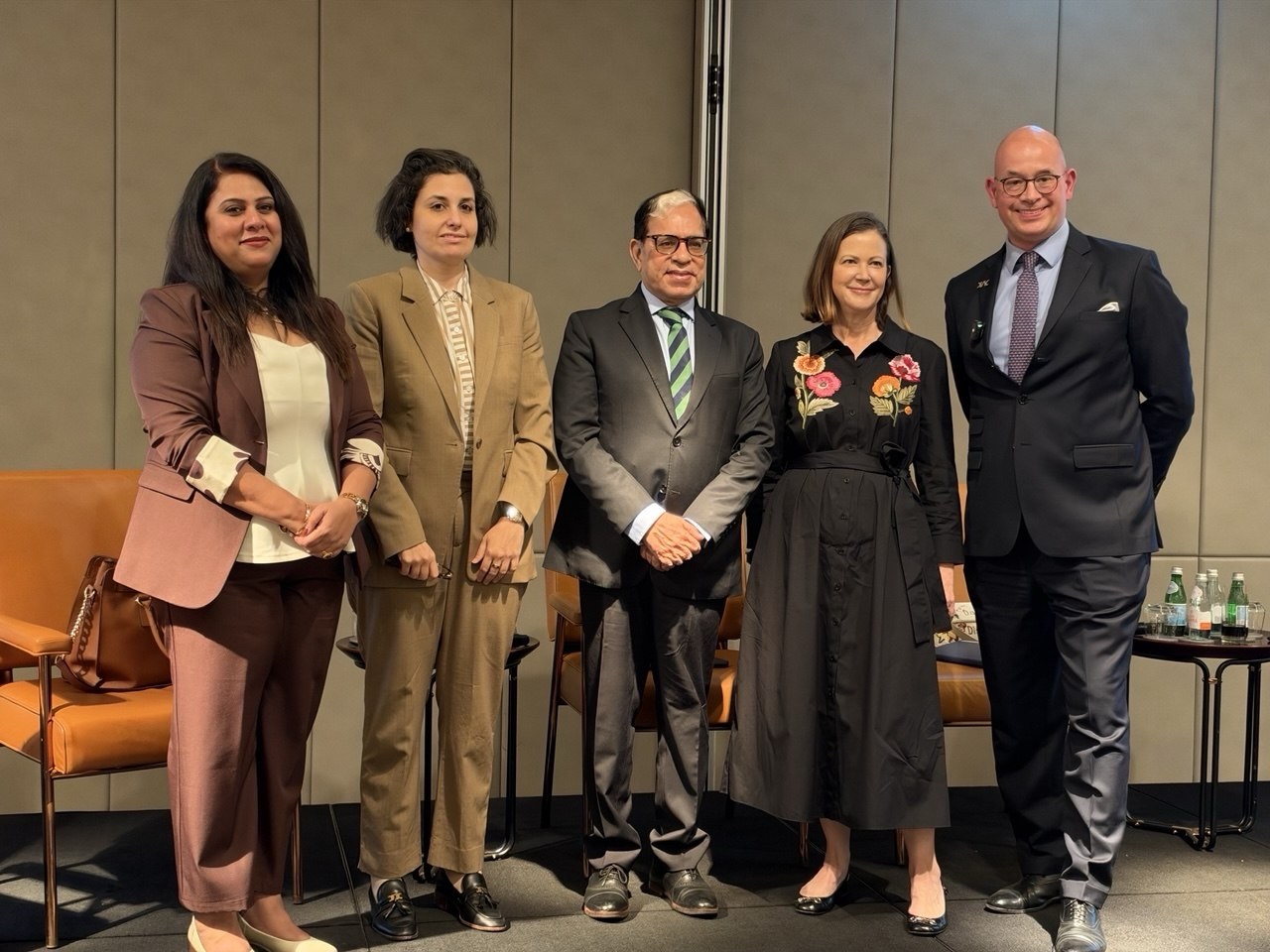
Dubai Arbitration Week 2026: Psychological Biases Influence Arbitral Decisions
Summary
- Dubai Arbitration Week 2026 is featuring expert discussions on human and psychological influences in arbitral decision-making.
- Key topics include cognitive biases, the reliability of memory, and the assessment of witness credibility.
- Cultural perceptions and their impact on arbitration proceedings are also a central point of the panel's examination.
- The growing use and influence of artificial intelligence in dispute resolution is thoroughly explored.
- Understanding these factors is crucial for lawyers to develop robust arbitration strategies and navigate the evolving dynamics of international arbitration.
Key Discussions at Dubai Arbitration Week 2026
Lawyers involved in international arbitration should consider the discussed psychological biases, witness credibility challenges, and the growing influence of AI when preparing cases, assessing evidence, and anticipating potential grounds for challenging or defending arbitral awards.
Dubai Arbitration Week 2026, currently underway, is serving as a crucial platform for legal experts to delve into the intricate human and psychological elements that profoundly influence arbitral decision-making. A distinguished panel of specialists convened to explore a range of critical topics, shedding light on the often-underestimated subjective factors at play in dispute resolution. This focus underscores a growing recognition within the international arbitration community of the need to understand the human element more deeply.
The discussions primarily center on how various cognitive processes and external influences can shape the outcomes of arbitration proceedings. Among the core subjects addressed are the pervasive nature of cognitive biases, the inherent challenges in assessing the reliability of human memory, and the complex task of evaluating witness credibility. Furthermore, the panel is examining the impact of cultural perceptions on legal interpretations and the rapidly evolving role of artificial intelligence in the field of dispute resolution, highlighting a comprehensive approach to understanding modern arbitration dynamics.
Unpacking Human Factors and Psychological Biases
A significant portion of the discourse at Dubai Arbitration Week 2026 is dedicated to the subtle yet powerful impact of human factors and psychological biases on arbitral awards. Experts are highlighting how various cognitive biases international arbitration practitioners face can unconsciously sway judgments, from confirmation bias leading arbitrators to favor information that supports their initial impressions, to anchoring bias affecting the assessment of damages. Understanding these inherent mental shortcuts is paramount for maintaining impartiality and ensuring fair proceedings.
The reliability of memory also emerged as a critical point of discussion, particularly concerning witness testimony. The panel is exploring how memory is reconstructive rather than purely reproductive, making the assessment of witness credibility arbitration Dubai a nuanced challenge. Cultural perceptions further complicate this, as different cultural backgrounds can influence communication styles, non-verbal cues, and even the interpretation of factual accounts, all of which can impact how testimony is received and weighed by arbitrators. These human factors arbitral decision-making considerations are vital for lawyers preparing their cases.
The Growing Influence of AI in Arbitration
Beyond the traditional human elements, the panel at Dubai Arbitration Week 2026 is also addressing the burgeoning role of technology, specifically the AI influence arbitral decision-making. As artificial intelligence tools become more sophisticated, their application in legal processes, including arbitration, is expanding. This includes using AI for document review, predictive analytics, and even assisting in the drafting of legal arguments or decisions.
While AI offers potential benefits in terms of efficiency and data analysis, its integration also raises new questions and challenges. Experts are discussing how AI might interact with or even exacerbate existing human biases if not carefully designed and implemented. Conversely, AI could also be leveraged to identify and mitigate some of the cognitive biases international arbitration professionals encounter, offering a new frontier in enhancing the fairness and objectivity of dispute resolution. The discussions around these Dubai Arbitration Week topics underscore the dual potential of AI.
Strategic Implications for Legal Practitioners
The insights being shared during Dubai Arbitration Week 2026 are carrying significant strategic implications for legal professionals engaged in international arbitration. Lawyers involved in international arbitration should consider the discussed psychological biases, witness credibility challenges, and the growing influence of AI when preparing cases, assessing evidence, and anticipating potential grounds for challenging or defending arbitral awards. A deep understanding of these human factors arbitral decision-making elements allows for more effective case presentation and cross-examination strategies.
Developing robust arbitration strategies now requires an awareness of how cognitive biases can affect an arbitrator's perception of evidence or arguments, and how to best present information to counteract these tendencies. Furthermore, the evolving landscape of AI influence arbitral decision-making means practitioners must stay abreast of technological advancements and their ethical considerations. This insight helps in developing more robust arbitration strategies and understanding the evolving dynamics of dispute resolution, ultimately aiming for more predictable and equitable outcomes in complex international disputes.
Practical Implications
Lawyers involved in international arbitration should consider the discussed psychological biases, witness credibility challenges, and the growing influence of AI when preparing cases, assessing evidence, and anticipating potential grounds for challenging or defending arbitral awards. This insight helps in developing more robust arbitration strategies and understanding the evolving dynamics of dispute resolution.
Source
Source: Original reporting via SCC Times
How does this affect you?
Get an AI analysis of this article grounded in your jurisdictions, practice areas, and any policy documents you've uploaded to Wansom.
Finish Reading the Full Story and the Expert Analysis.
Get the latest legal & regulatory intelligence in India
Wansom is AI and can make mistakes.