
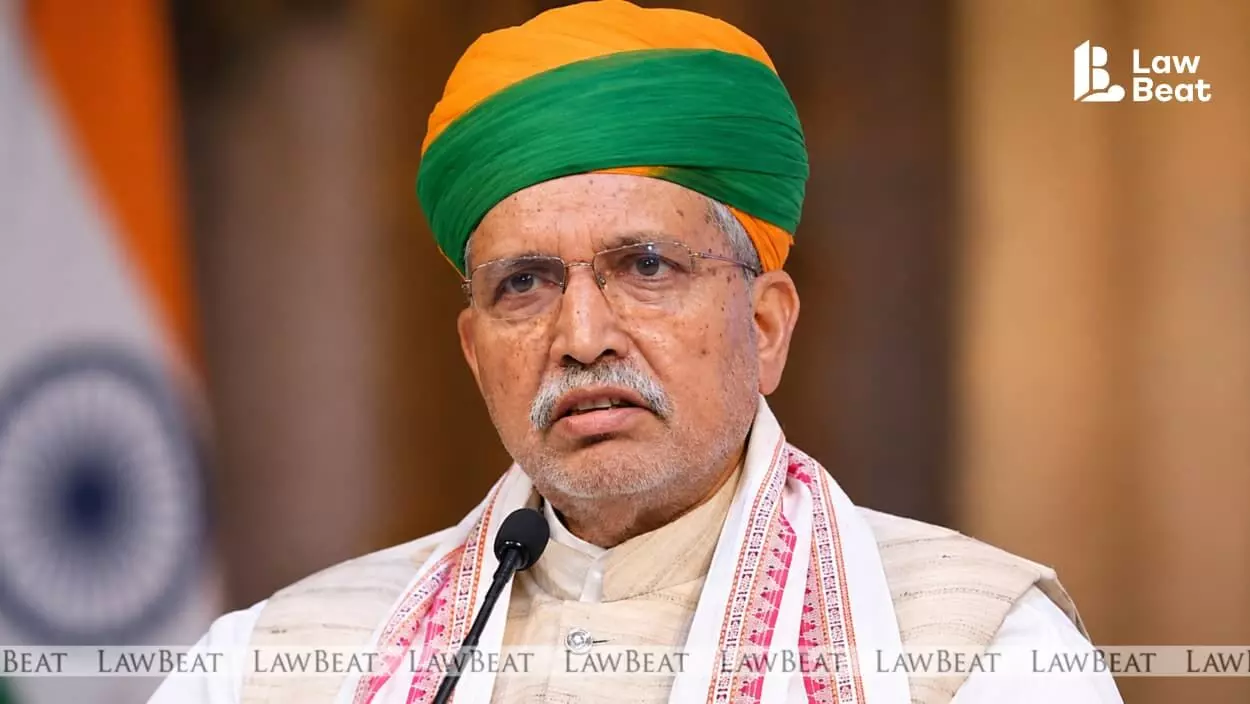
Union Law Minister: India Evening Courts Pilot for Delhi, Bihar, Andhra
Summary
- The Indian government plans to introduce pilot evening courts in Delhi, Bihar, and Andhra Pradesh to expedite pending cases.
- Union Law Minister Arjun Ram Meghwal announced that retired judges are expected to preside over these extended court sittings.
- The government is also focusing on Alternative Dispute Resolution (ADR), Lok Adalats, and pre-mediation to reduce judicial backlog.
- New criminal laws are showing positive initial results, supported by five electronic platforms piloted in Chandigarh, Gujarat, and Delhi.
- Minister Meghwal reiterated the government's commitment to implementing a nationwide Uniform Civil Code, citing Article 44 of the Constitution.
New Evening Courts Initiative
The Indian government is set to introduce pilot evening courts in Delhi, Bihar, and Andhra Pradesh, a move aimed at significantly accelerating the resolution of pending legal cases.
The Indian government is set to introduce pilot evening courts in Delhi, Bihar, and Andhra Pradesh, a move aimed at significantly accelerating the resolution of pending legal cases. This initiative, announced by Union Law Minister Arjun Ram Meghwal in an interview published on November 10, will involve existing courts extending their operational hours into the evening for several additional hours. The primary objective is to expedite the disposal of a substantial backlog of cases that currently burden the judicial system.
Retired judges are expected to play a crucial role in presiding over these extended sittings, contributing their experience to the increased judicial capacity. The implementation of these pilot evening courts in India will be a collaborative effort, requiring close coordination with the respective High Courts in each state. This strategic expansion of court hours directly addresses the persistent issue of mounting case pendency and the imperative to enhance the pace of judicial proceedings across the nation.
Broader Judicial Reforms and Technology Integration
Beyond the establishment of evening courts, the Union Government is actively exploring and promoting alternative mechanisms to alleviate the strain on the judiciary. Minister Meghwal highlighted a strong focus on Alternative Dispute Resolution (ADR) mechanisms and the utilization of Lok Adalats for case disposal. ADR involves an impartial third party facilitating communication and negotiation between disputing parties, guiding them towards a mutually acceptable settlement without the need for protracted litigation.
The government is also emphasizing pre-mediation, a process designed to resolve disputes before they escalate into formal legal proceedings, thereby preventing further additions to the judicial caseload. Concurrently, the implementation of three new criminal laws is showing encouraging initial results, contributing to improved justice delivery and ensuring timely case disposal without imposing additional burdens on the courts. To support these new criminal laws, five electronic platforms have been developed and initially launched on a pilot basis in Chandigarh, Gujarat, and Delhi, enabling the electronic transmission of court orders and judgments directly to prison authorities for prompt action.
Uniform Civil Code and Constitutional Mandate
During the same interview, Minister Meghwal also addressed the ongoing discourse surrounding the Uniform Civil Code (UCC), affirming the government's commitment to its nationwide implementation. He underscored that the UCC was envisioned by the framers of the Constitution and is rooted in Article 44. The Supreme Court has, on multiple occasions, also stressed the necessity of a common civil code for the country.
Meghwal further noted that while certain states have initiated steps towards its adoption, there exists no constitutional justification for restricting this exercise to only a select few. This perspective reinforces the government's stance on a unified legal framework for personal matters across all of India, aligning with the constitutional directive.
Impact on Justice Delivery and Efficiency
The comprehensive suite of reforms, encompassing the introduction of India evening courts in Delhi, Bihar, and Andhra, the promotion of ADR and pre-mediation, and the technological advancements supporting new criminal laws, collectively aims to significantly enhance the efficiency and accessibility of the justice system. These initiatives are designed to tackle the critical challenge of case pendency head-on, ensuring that legal disputes are resolved more swiftly and effectively.
By extending court hours and leveraging alternative dispute resolution methods, the government seeks to create a more responsive and less burdened judiciary. The integration of technology, particularly with the new criminal laws, further streamlines processes, ensuring that judicial directives are communicated and acted upon without delay, ultimately contributing to a more robust and timely justice delivery system for all citizens.
Practical Implications
Lawyers practicing in Delhi, Bihar, and Andhra Pradesh should anticipate potential changes to court schedules and faster case disposal rates due to the planned evening courts. They should also prepare for increased emphasis on Alternative Dispute Resolution and pre-mediation mechanisms as the government seeks to reduce judicial backlog.
Source
How does this affect you?
Get an AI analysis of this article grounded in your jurisdictions, practice areas, and any policy documents you've uploaded to Wansom.
Finish Reading the Full Story and the Expert Analysis.
Get the latest legal & regulatory intelligence in India
Wansom is AI and can make mistakes.