
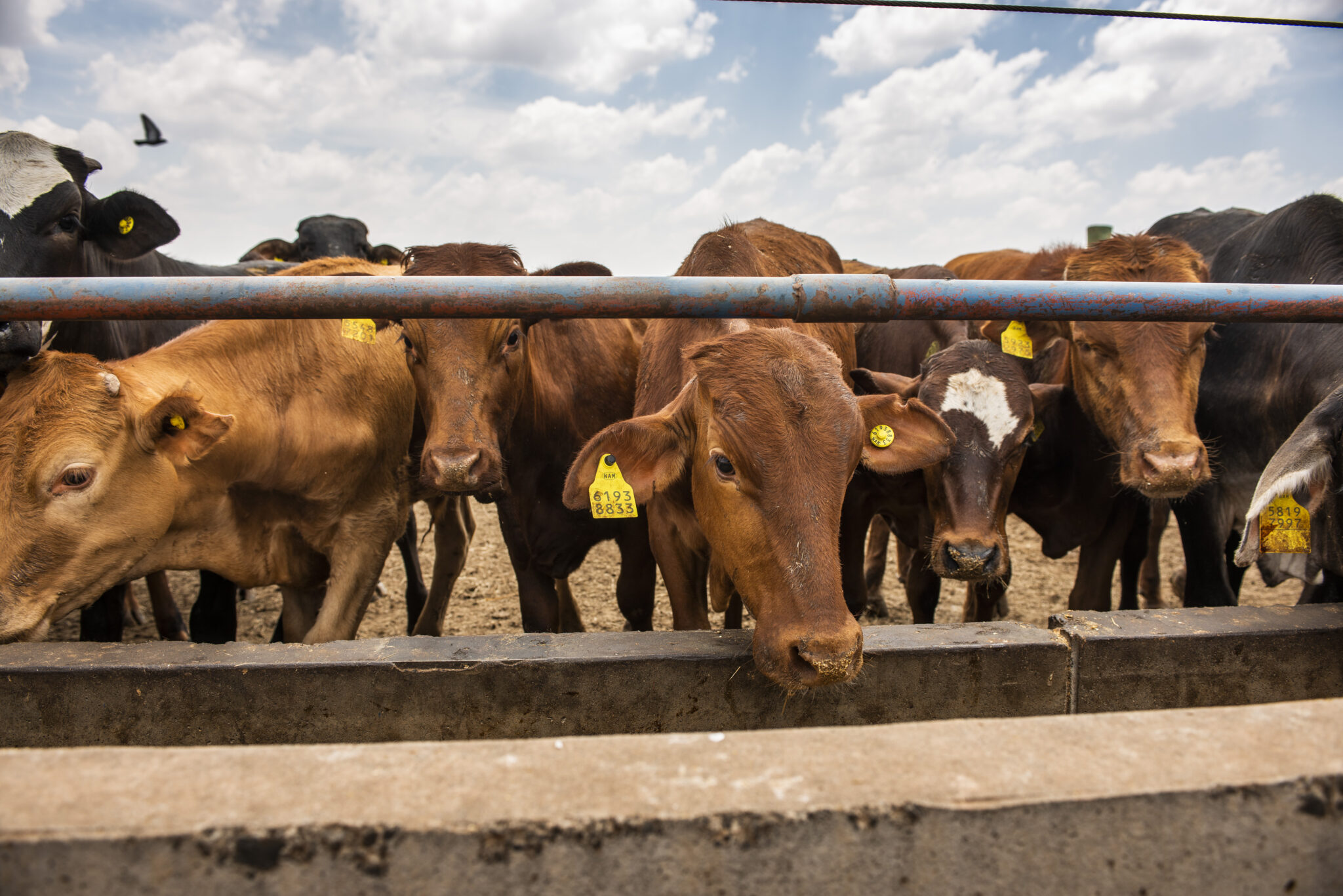
Gauteng High Court: Dismisses Livestock Wealth Liquidation Appeal in South Africa
Summary
- A South African crowdfarming platform, Livestock Wealth, is facing liquidation following a High Court order obtained by shareholder MIC Khulisani Ventures.
- The liquidation order, issued on May 8, 2026, and the subsequent dismissal of Livestock Wealth's initial appeal on August 26, 2026, stem from a R3 million shareholder loan default.
- The High Court ruled that Livestock Wealth defaulted on its loan agreement by failing to provide regular financial statements and management reports as required by Clause 10.3.
- Livestock Wealth's founder, Ntuthuko Shezi, maintains the issue is a dispute and has filed a new appeal with the Supreme Court of Appeal.
- This case highlights the severe consequences of non-compliance with financial reporting obligations in shareholder loan agreements.
What Happened
The High Court's clear distinction between a 'dispute' and a 'default of a loan agreement' sets a significant precedent, emphasizing that failure to meet agreed-upon terms, such as financial reporting, can have severe consequences, including the acceleration of debt and ultimately, liquidation.
Livestock Wealth, a prominent South African crowdfarming platform, is currently facing liquidation proceedings following a High Court order, despite its founder's ongoing efforts to appeal the decision. The Gauteng Local Division of the High Court issued an order for the company's liquidation on May 8, 2026, leading to the appointment of a liquidator on July 7, 2026. This development has introduced new uncertainties for individuals who have invested in the platform's various agricultural ventures, including cattle, pregnant cows, macadamia nuts, and portions of farmland.
The initial liquidation order was sought and obtained by MIC Khulisani Ventures (Pty) Ltd, an investment arm of the Mineworkers Investment Company (MIC), which is also a significant shareholder and creditor of Livestock Wealth. Following the High Court's ruling, Livestock Wealth promptly filed an application for leave to appeal the liquidation order. However, this initial appeal was dismissed by the court in a judgment delivered on August 26, 2026, leaving the company in a precarious position.
Despite these setbacks, Ntuthuko Shezi, the founder and chief executive of Livestock Wealth, maintains a defiant stance. Shezi contends that the disagreement with MIC constitutes a dispute rather than a legitimate basis for liquidation, even though he acknowledged in court proceedings that Livestock Wealth is "financially distressed." He has informed investors that the current legal challenge primarily affects Livestock Wealth (Pty) Ltd, one of four operating companies under the broader Livestock Wealth brand.
The Genesis of the Dispute
The origins of the current legal battle trace back to 2022 when MIC invested in Livestock Wealth, acquiring a 5% equity stake in the platform's operating company, Livestock Wealth (Pty) Ltd. A crucial component of the investment agreement included a R3 million shareholder loan provided by MIC, which was slated for conversion into equity by July 2025. However, the relationship between the two entities began to deteriorate significantly after a widely publicized investigation by the Financial Sector Conduct Authority (FSCA) in January 2024, an inquiry that ultimately concluded in Livestock Wealth's favor.
In July 2024, MIC instituted legal proceedings specifically concerning the R3 million shareholder loan. The High Court subsequently ruled in favor of MIC regarding this loan. Shezi had previously lodged an appeal against this loan-related ruling, expressing confidence in a favorable outcome, but that appeal did not materialize as hoped. The core of Shezi's argument in court was that the disagreement with MIC was a dispute, and therefore, MIC was not entitled to demand early repayment of the loan, which had accrued interest to R4.2 million, before its scheduled term end.
Legal Context and Default Findings
The High Court, however, did not concur with Shezi's characterization of the situation as merely a dispute. Instead, the court determined that the disagreement between Livestock Wealth and MIC constituted a default on the loan agreement. MIC presented evidence that Livestock Wealth had failed to adhere to specific conditions within the loan agreement, particularly Clause 10.3, which mandated the provision of regular financial statements and management reports.
Crucially, MIC testified that Livestock Wealth had not only failed to supply these required reports but also neglected to rectify this default even after being prompted to do so. The presiding judge noted that the existence and content of these reporting obligations, MIC's requests for the information, and Livestock Wealth's undertaking on February 21, 2024, to provide financial information within 30 days—an undertaking it subsequently failed to meet—were not seriously contested. Consequently, the court agreed with MIC that Livestock Wealth's non-compliance justified the acceleration of the outstanding loan amount, leading directly to the liquidation order.
Why It Matters
The ongoing Livestock Wealth liquidation appeal in South Africa underscores the critical importance of strict adherence to contractual obligations, particularly in complex investment and shareholder loan agreements. For investors in crowdfarming platforms, this case highlights the potential risks associated with the financial health and operational compliance of the companies they support. The High Court's clear distinction between a 'dispute' and a 'default of a loan agreement' sets a significant precedent, emphasizing that failure to meet agreed-upon terms, such as financial reporting, can have severe consequences, including the acceleration of debt and ultimately, liquidation.
This situation serves as a stark reminder for companies, especially those with shareholder loans or intricate investment structures, to ensure robust internal controls and meticulous compliance with all reporting requirements. The legal outcome, where a default on reporting obligations led to a R4.2 million accelerated repayment and a subsequent liquidation order, demonstrates that such breaches are not minor administrative oversights but can trigger fundamental contractual enforcement. The Supreme Court of Appeal Livestock Wealth case will be closely watched for its final determination on these critical issues, potentially shaping future practices in investment agreements across South Africa's burgeoning alternative finance sector.
Practical Implications
Lawyers advising companies with shareholder loans or investment agreements should carefully review and ensure strict adherence to reporting obligations, as demonstrated by Livestock Wealth's default leading to liquidation proceedings. Compliance officers must establish robust internal controls for financial reporting to mitigate the risk of similar disputes and potential acceleration of loan repayments.
Source
How does this affect you?
Get an AI analysis of this article grounded in your jurisdictions, practice areas, and any policy documents you've uploaded to Wansom.
Finish Reading the Full Story and the Expert Analysis.
Get the latest legal & regulatory intelligence in South Africa
Wansom is AI and can make mistakes.