
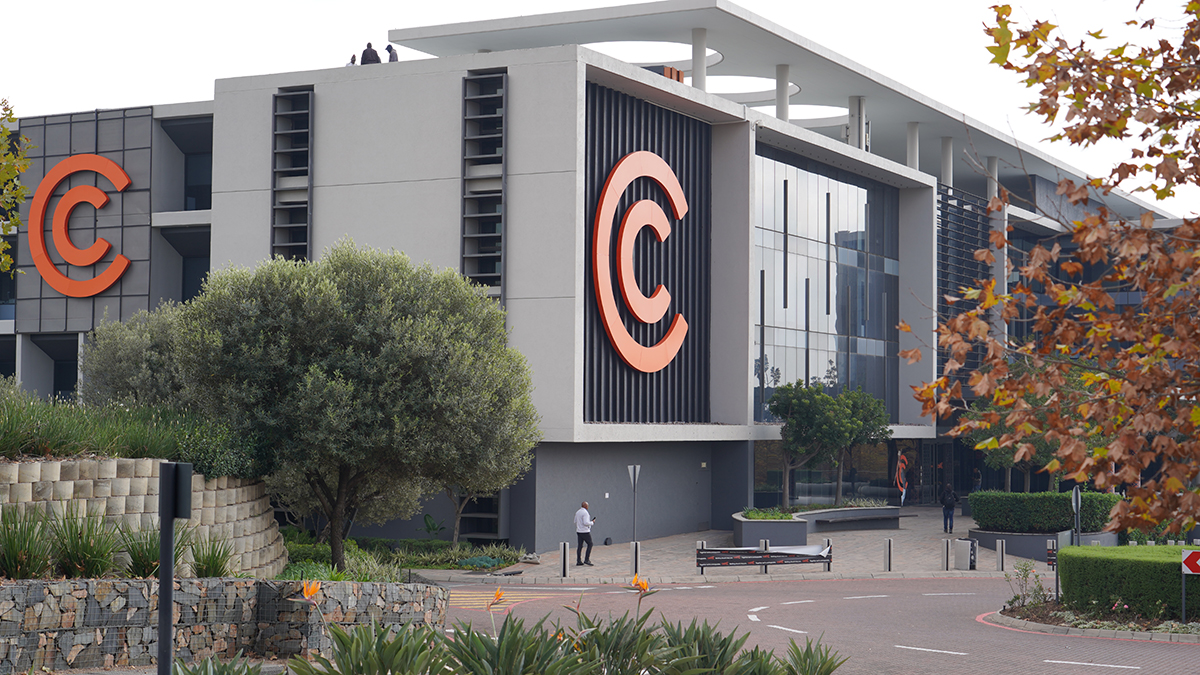
MTN South Africa: Cell C Network Agreement Dispute Continues
Summary
- MTN South Africa and Cell C are in disagreement over certain aspects of their long-standing commercial relationship.
- Both companies confirm their existing network-sharing agreements remain in force, with no amendments agreed or signed.
- Cell C's agreement with MTN is a long-term arrangement set to continue until 2032.
- Cell C operates as a mobile virtual network operator, relying on shared infrastructure from MTN and Vodacom for nationwide coverage.
- The dispute will be addressed through mechanisms outlined in the parties' current agreement.
MTN and Cell C Grapple with Commercial Terms
This dispute between MTN and Cell C underscores the inherent complexities and potential for disagreements that can arise within long-term telecommunications infrastructure sharing agreements.
Telecommunications providers MTN South Africa and Cell C have confirmed an ongoing disagreement regarding specific aspects of their long-standing commercial relationship. Despite extensive discussions between the two companies, not all outstanding issues have been resolved, though both parties affirm that their current network-sharing arrangements remain fully operational.
In a recent quarterly update covering the period ending September 30, MTN South Africa disclosed its significant engagement with Cell C concerning the terms of their commercial partnership. However, MTN noted that agreement had not been reached on certain matters. The operator indicated that these unresolved points would be addressed through established mechanisms within their existing agreement, while broader discussions about the future terms of their relationship are still in progress. MTN also stated its intention to provide additional updates as they become appropriate.
Cell C, in a statement provided to ITWeb, corroborated that its infrastructure-sharing agreements with both MTN and Vodacom continue to be in effect under their original terms, with no amendments having been agreed upon or signed. The company specifically highlighted that its arrangement with MTN is a long-term commitment, scheduled to run until 2032. Cell C further assured that these developments would not impact the network services it delivers to its customers and business partners, declining to offer further specifics beyond confirming that no changes to the agreements' terms have resulted from any discussions to date. The company committed to making necessary market disclosures should any material information arise.
Context of Cell C's Network Strategy
The current discussions bring into focus Cell C's distinctive operational model within the South African telecommunications landscape. As a mobile virtual network operator (MVNO), Cell C fundamentally relies on wholesale network infrastructure to deliver its services, rather than maintaining a conventional nationwide radio access network of its own. This strategy involves leveraging its own licensed spectrum in conjunction with reciprocal network-sharing agreements.
Crucially, Cell C utilizes infrastructure-sharing arrangements with both MTN and Vodacom, allowing it to provide comprehensive nationwide coverage to its subscriber base. The company's reliance on these partnerships is central to its ability to compete in the market. Despite the ongoing disagreements with MTN, Cell C has explicitly stated that its infrastructure-sharing agreements with both MTN and Vodacom remain fully active under their existing conditions, with no alterations having been formally agreed or signed.
Significance for Infrastructure Sharing
This dispute between MTN and Cell C underscores the inherent complexities and potential for disagreements that can arise within long-term telecommunications infrastructure sharing agreements. Such arrangements are vital for operators like Cell C, enabling them to extend their reach and service offerings without the substantial capital expenditure required for building out proprietary networks across an entire nation.
The situation highlights the importance of robust contractual mechanisms for dispute resolution in critical commercial partnerships within the telecommunications sector. While both companies have affirmed the continuity of their current network services and agreements, the ongoing negotiations signal the dynamic nature of these foundational relationships. The market awaits further updates from both MTN and Cell C regarding the resolution of these specific outstanding matters.
Practical Implications
This development underscores the inherent complexities and potential for disputes in long-term telecommunications infrastructure sharing agreements. Lawyers advising clients in the South African telecom sector, particularly those involved in MVNO or network provider relationships, should monitor the resolution of this disagreement for insights into contractual interpretation and dispute resolution mechanisms in such critical commercial arrangements.
Source
How does this affect you?
Get an AI analysis of this article grounded in your jurisdictions, practice areas, and any policy documents you've uploaded to Wansom.
Finish Reading the Full Story and the Expert Analysis.
Get the latest legal & regulatory intelligence in South Africa
Wansom is AI and can make mistakes.