
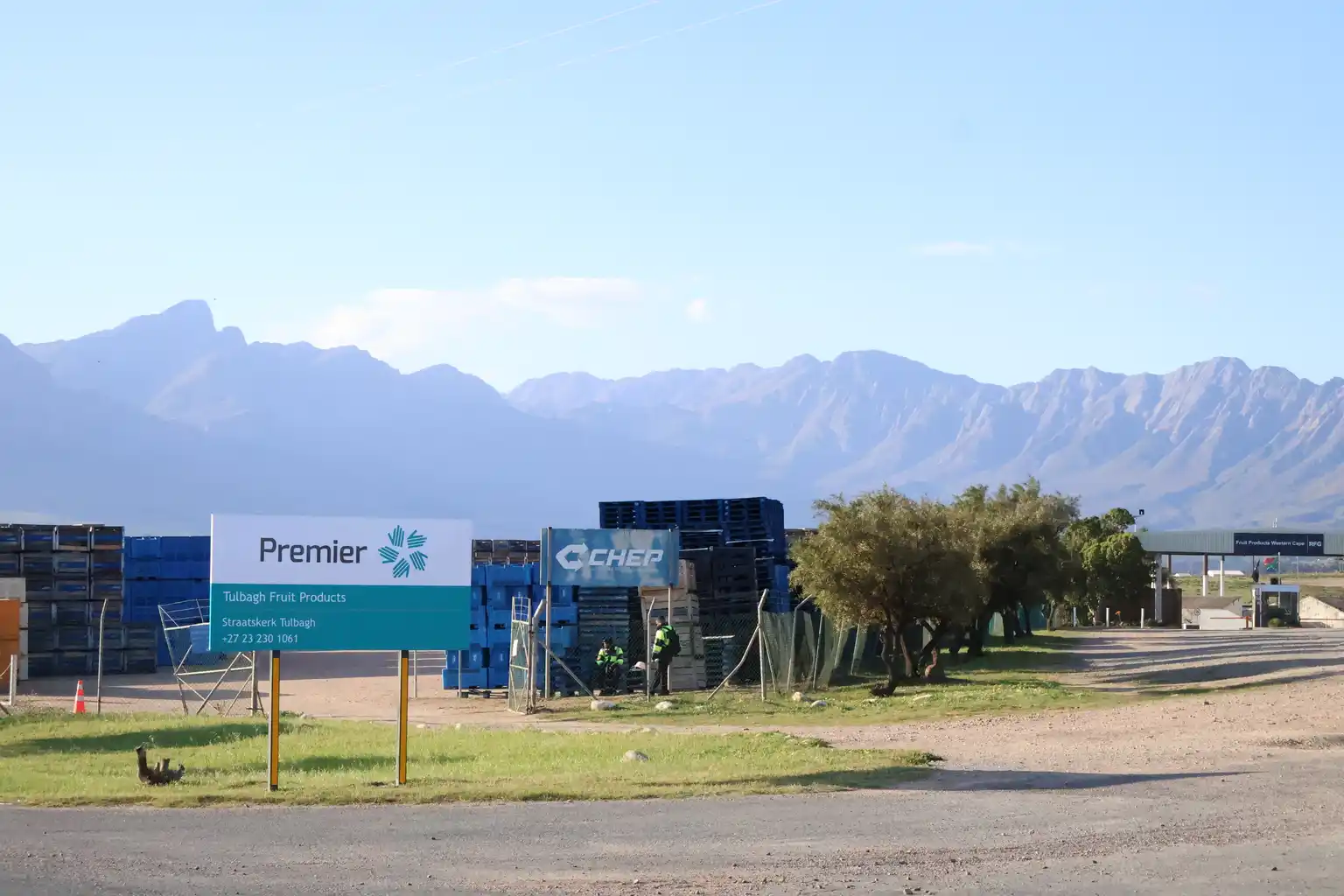
Labour Court: Rejects Afadwu's Premier Tulbagh VSP Application
Summary
- The Labour Court dismissed an urgent application by Afadwu to halt voluntary severance packages at Premier FMCG's Tulbagh cannery.
- Acting Judge May found Premier FMCG followed a fair procedure in consulting employees about the closure of its Fruit Products Western Cape operation.
- The court found no factual basis for Afadwu's contention that the procedure was unfair or that employees signed VSPs under duress.
- Premier FMCG's VSP offer included two weeks' wages per year of service and a minimum payment of R50,000 if all affected employees accepted.
- Ultimately, 407 out of 409 affected employees accepted the voluntary severance packages.
Court Rejects Union's Bid to Halt Job Losses
Crucially, the court found no evidence to support the union's claim that employees had signed the voluntary severance packages under duress or without full understanding.
The Labour Court recently dismissed an urgent application brought by the Agricultural, Food and Allied Democratic Workers Union (Afadwu), which sought to prevent the implementation of voluntary severance packages (VSPs) at Premier FMCG's fruit cannery in Tulbagh. Acting Judge May, presiding over the case, concluded that Premier FMCG had diligently followed a fair procedure during its consultation process with employees regarding the impending closure of its Fruit Products Western Cape operation. This ruling represents a significant setback for Afadwu's efforts to challenge the fairness of the consultation process.
Afadwu initiated its urgent application on September 21, requesting the Labour Court to halt both the Section 189 retrenchment process and the VSPs offered to affected employees. The application was heard on October 5, with the judgment subsequently delivered on November 6. The court's decision highlighted a lack of factual support for the union's assertion that Premier had not adhered to a fair procedure, with the judge explicitly stating that the evidence presented suggested the contrary.
The Consultation and VSP Negotiation Process
The judgment provided a detailed account of how the voluntary severance packages were negotiated during a comprehensive facilitation process that commenced on August 6. This process involved multiple stakeholders, including Afadwu, the Solidarity union, the National Union for All Sectors (Nufas), representatives for non-unionised salaried and wage staff, and delegates from the commercial and shipping departments. Notably, Afadwu was the sole union among these parties to pursue a legal challenge against the process in court.
During the third facilitation meeting, after Premier FMCG had disclosed its financial information in response to queries, employee representatives presented their demands. These included a request for severance pay calculated at four weeks' wages for each year of service, with partial years of at least six months rounded up, three months' notice pay, and a minimum severance payment of R100,000. Additional demands encompassed gratuity payments for seasonal workers nearing retirement age, continued funding for employees enrolled in formal training programs like apprenticeships, and assistance to acquire new skills to enhance their future employment prospects.
In a subsequent meeting, Premier FMCG put forward its own VSP proposal. This offer included two weeks' wages for every completed year of service for permanent salaried employees, permanent wage employees, and those on fixed-term contracts as of July 2026. The proposal also stipulated that service calculations for permanent employees who had been made permanent in October 2024 would be backdated to January 1, 2015. Initially, employees were to receive one month's notice pay, with work concluding on September 30 and October paid as notice. Premier later agreed to substitute this with an additional two weeks' pay. Furthermore, the company proposed a minimum payment of R50,000, contingent on all affected employees accepting the VSPs. For situations where work remained outstanding, employees would first be offered VSPs and then retained on fixed-term contracts. The court's judgment indicated that the parties concluded this meeting with the understanding that an agreement had been reached on the VSP proposal, with a further meeting scheduled for September 30 to finalize the arrangements.
Court's Findings on Fairness and Duress
By September 24, when Premier FMCG signed its answering affidavit, all affected salaried staff had already signed their voluntary severance packages. Among the wage staff, only two individuals had not yet signed. Premier later confirmed that 407 out of 409 affected employees ultimately accepted the VSPs. Afadwu had also requested the court to grant employees who might have signed VSPs unintentionally or under duress the option to return to work if alternative solutions to retrenchment could be identified.
Crucially, the court found no evidence to support the union's claim that employees had signed the voluntary severance packages under duress or without full understanding. Consequently, the court found no basis upon which to set aside these agreements. It was noted that only one of Afadwu's 107 members had not signed a VSP by the time the matter was heard. The court clarified that the facilitation process would continue for this individual, preserving his right to challenge any subsequent dismissal as unfair.
Why It Matters
This ruling from the Labour Court provides critical guidance for both employers and trade unions on the interpretation of 'fair procedure' under Section 189 of the Labour Relations Act, particularly concerning the implementation of voluntary severance packages. For employers, the decision underscores the importance of a transparent and well-documented consultation process, as Premier FMCG's detailed engagement with multiple employee representatives was a key factor in the court's finding of fairness.
Unions, on the other hand, are reminded of the necessity for robust evidentiary support when challenging the fairness of retrenchment procedures or alleging duress in the acceptance of VSPs. The court's dismissal of Afadwu's application due to a lack of factual basis highlights that mere assertions are insufficient; concrete evidence is required to substantiate claims of procedural unfairness or involuntary consent. This judgment sets a precedent for how future Section 189 retrenchment consultations and VSP challenges may be evaluated by the Labour Court.
Practical Implications
This ruling provides critical guidance for employers and unions on the Labour Court's interpretation of 'fair procedure' under Section 189 of the Labour Relations Act, particularly regarding the implementation of voluntary severance packages. Employers can benchmark their consultation processes against this decision, while unions must ensure strong evidentiary support when challenging the fairness of retrenchment procedures or claims of duress in VSP acceptance.
Source
How does this affect you?
Get an AI analysis of this article grounded in your jurisdictions, practice areas, and any policy documents you've uploaded to Wansom.
Finish Reading the Full Story and the Expert Analysis.
Get the latest legal & regulatory intelligence in South Africa
Wansom is AI and can make mistakes.