
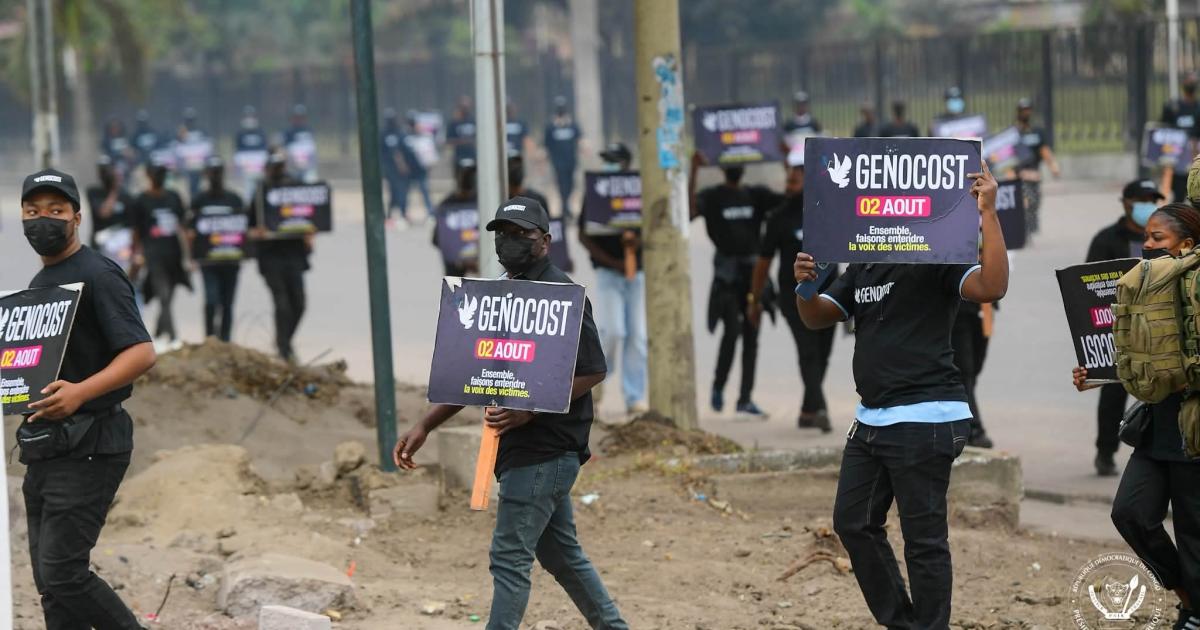
CD Court: Lilas Sansa's Genocide Charges in DRC Not a Celebration
Summary
- Lilas Sansa, a jurist, discussed the legal criteria for genocide in light of violence committed in the DRC during a live event.
- The crimes committed in the DRC are considered genocide, crimes against humanity, and war crimes under international law.
- Lawyers practicing in the DRC should be aware of potential prosecution under international law due to increased scrutiny of past human rights abuses.
What Happened
Sansa emphasized that the crimes committed in the DRC are not only genocide but also crimes against humanity and war crimes.
On August 3rd, Lilas Sansa, a jurist, participated in the Space live event organized by Stanis Bujakera Tshiamala to commemorate Genocost. During her presentation, she discussed the legal criteria for genocide in light of the violence committed in the Democratic Republic of Congo (DRC). The event sparked controversy as some critics accused the organizers of celebrating a crime. Sansa's comments on the legal aspects of the crimes committed in the DRC have been widely reported.
Sansa emphasized that the crimes committed in the DRC are not only genocide but also crimes against humanity and war crimes.
Legal Context
The concept of genocide is defined under international law as acts committed with intent to destroy, in whole or in part, a national, ethnical, racial or religious group. The DRC has experienced significant human rights abuses and violence over the years, leading to concerns about potential prosecution under international law. Lawyers practicing in the DRC should be aware of this development, which may lead to increased scrutiny of past human rights abuses.
The International Criminal Court (ICC) has jurisdiction over crimes committed in the DRC, including genocide, crimes against humanity, and war crimes. The ICC's mandate is to investigate and prosecute individuals responsible for these crimes. Sansa's comments on the legal criteria for genocide highlight the complexity of the issue and the need for careful consideration of the facts.
The DRC has its own laws and regulations regarding human rights abuses, but international law also plays a significant role in addressing such crimes.
Why It Matters
Sansa's comments on the legal aspects of the crimes committed in the DRC have significant implications for lawyers practicing in the region. The increased scrutiny of past human rights abuses may lead to potential prosecution under international law, requiring lawyers to review their clients' involvement and advise accordingly.
The controversy surrounding Genocost highlights the need for careful consideration of the impact of such events on affected communities. Sansa's emphasis on the legal criteria for genocide underscores the importance of addressing human rights abuses through a nuanced understanding of international law.
Practical Implications
Lawyers practicing in the DRC should be aware that this development may lead to increased scrutiny of past human rights abuses and potential prosecution under international law, requiring them to review their clients' involvement and advise accordingly.
Source
Source: Original reporting via Genocost
How does this affect your business?
Get an AI analysis of this article grounded in your jurisdictions, practice areas, and any policy documents you've uploaded to Wansom.
Wansom is AI and can make mistakes.