
Speaker Koon: Liberia War Economic Crimes Court Bill Status Advances
Summary
- Speaker Richard Nagbe Koon confirmed on October 26, 2026, that proposed bills for a Liberia War and Economic Crimes Court are progressing in the Legislature.
- The legislation is presently under review by relevant committees in both houses, which have already conducted public hearings and are seeking funding for additional consultations.
- Speaker Koon clarified that the bills aim to establish a legal framework for accountability, not to target specific individuals or groups.
- Further legislative discussions on the complex and technical bills are anticipated to begin in January 2027.
- Civil society organizations and war victims presented a petition advocating for the court's establishment to ensure justice and national reconciliation for crimes committed during the 14-year civil war.
Legislative Progress on War Crimes Court
The proposed legislation, currently undergoing thorough scrutiny by relevant committees, is designed to establish a legal framework for addressing war-related and economic crimes and to strengthen the rule of law within Liberia.
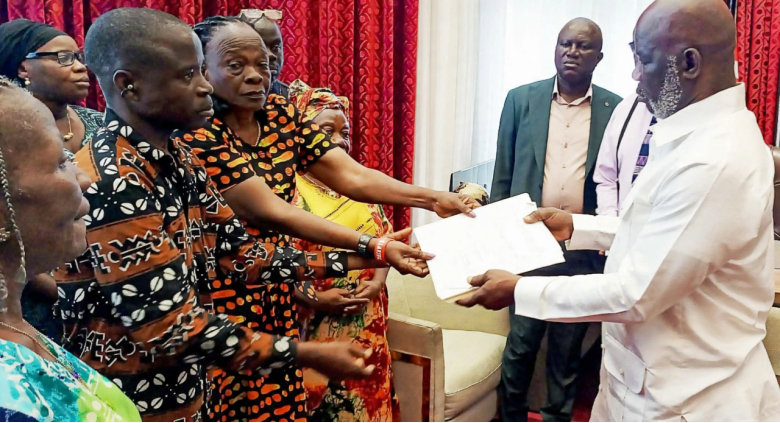
On October 26, 2026, Speaker Richard Nagbe Koon of the 55th Liberian Legislature confirmed that proposed legislation for a War and Economic Crimes Court is actively moving through the legislative process. Speaking from his Capitol Building office in Monrovia, Speaker Koon received a petition from a coalition of civil society organizations, including the National Council of Chiefs Support Office and the Liberia Massacre Survivors Association (LIMASA), assuring them of the Legislature's commitment to advancing the court's establishment.
The Speaker, who also represents Montserrado County Electoral District #11 and heads the Liberian Legislature, indicated that the bills are currently under thorough scrutiny by the relevant committees in both houses. These committees have already conducted initial public hearings and are now seeking additional funding to facilitate further consultations. The objective of these consultations is to gather firsthand information from communities affected by the civil conflicts before submitting comprehensive reports to the plenary for a vote.
Speaker Koon emphasized that the proposed bills are not designed to target any specific individual, tribe, or religious group. Instead, their purpose is to create a robust legal framework for addressing war-related and economic crimes, thereby strengthening the rule of law in Liberia. He noted the technical and complex nature of the legislation, which necessitates careful review, extensive public engagement, and detailed explanations to ensure lawmakers can make informed decisions. Further legislative discussions are anticipated to commence in the first session of January 2027, following the passage of the national budget.
The Quest for Accountability and Justice
The push for a War and Economic Crimes Court stems from the widespread desire for accountability following Liberia's civil conflicts, which spanned over 14 years. Many view the establishment of such a court as crucial for national healing, reconciliation, and deterring future atrocities. The petitioners, representing numerous civil society organizations and war victims, highlighted the ongoing concerns of survivors across all 15 of Liberia's counties, who continue to seek closure and justice for crimes committed during the protracted conflicts.
This legislative initiative is seen as a critical step towards addressing historical injustices and reinforcing the rule of law within the nation. The Speaker acknowledged the profound importance of the proposed legislation to victims and survivors nationwide, underscoring the House leadership's understanding of these concerns. He encouraged the petitioners to maintain their engagement with lawmakers throughout the legislative journey, emphasizing the House's dedication to responsible deliberation on this sensitive matter.
Significance for Liberia's Future
The proposed legislation, currently undergoing thorough scrutiny by relevant committees, is designed to establish a legal framework for addressing war-related and economic crimes and to strengthen the rule of law within Liberia. Its passage would signal a definitive commitment by Liberia to confront the legacy of its civil wars through formal legal processes. This commitment extends beyond mere retribution, aiming to foster a society where such grave offenses are systematically addressed and future generations are deterred from similar acts.
The ongoing committee review, public hearings, and planned community consultations reflect a deliberate approach to ensure the legislation is comprehensive and broadly supported. The process, though complex and requiring careful consideration, is viewed by advocates as essential for achieving lasting peace and stability. The eventual outcome of these legislative efforts will have profound implications for justice, reconciliation, and the future trajectory of governance in Liberia.
Practical Implications
Lawyers advising clients with potential exposure related to Liberia's civil conflicts should closely monitor the legislative progress of the War and Economic Crimes Court bills, as their eventual passage could initiate investigations and prosecutions, requiring proactive legal counsel regarding potential liabilities or participation in justice processes.
Source
How does this affect you?
Get an AI analysis of this article grounded in your jurisdictions, practice areas, and any policy documents you've uploaded to Wansom.
Finish Reading the Full Story and the Expert Analysis.
Wansom is AI and can make mistakes.