
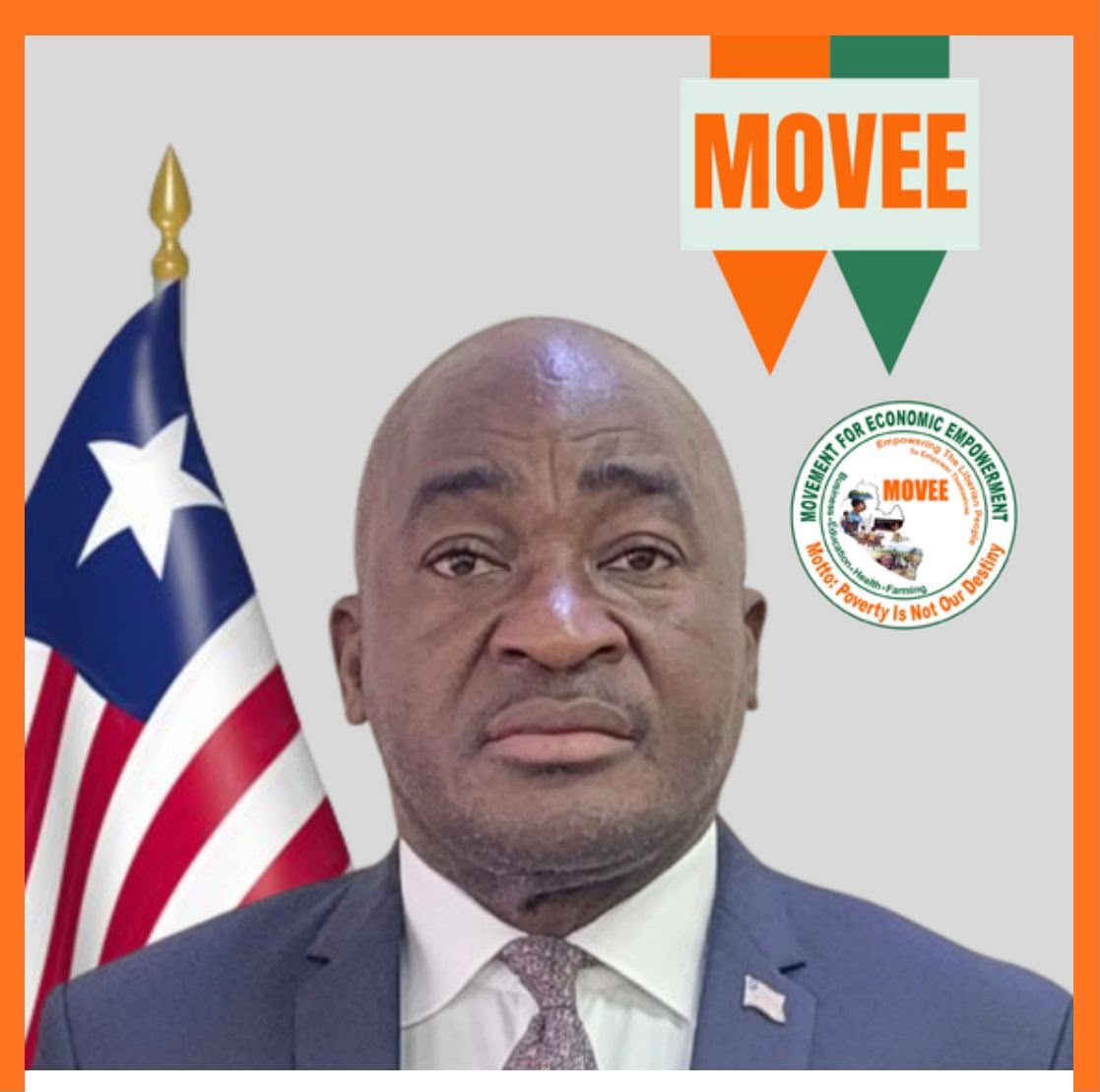
MOVEE: Signals Appeal in Kemayah Saudi Rice Case Liberia
Summary
- MOVEE has expressed full confidence in its political leader, Dee-Maxwell Saah Kemayah Sr., following mixed verdicts in the Saudi-donated rice case.
- A jury of Criminal Court "C" delivered the verdicts on October 9, 2026, involving 13 former government officials.
- MOVEE plans to support a potential appeal to the Liberia Supreme Court, asserting Kemayah's innocence and disputing evidence of personal wrongdoing.
- The party alleges that former Foreign Minister Kemayah has been subjected to political persecution since 2024, linking it to objections over an ambassador appointment.
- The case involves humanitarian aid intended for vulnerable communities, raising questions about public accountability and corruption in Liberia.
Overview of the Saudi Rice Case Verdict
Lawyers and compliance officers should closely monitor the Liberian Supreme Court's handling of this appeal, as its decision could establish significant precedents regarding the prosecution of public officials for corruption, particularly concerning the administration of international humanitarian aid and the evidentiary standards required for conviction.
The Movement for Economic Empowerment (MOVEE) has publicly affirmed its belief in the innocence of its political leader, former Foreign Minister Dee-Maxwell Saah Kemayah Sr., following a series of mixed verdicts delivered by a jury of Criminal Court "C" in the high-profile Liberia Saudi-donated rice case. These verdicts, issued on October 9, 2026, implicated 13 former officials from the Congress for Democratic Change (CDC)-led government, alongside other co-defendants, in a matter concerning the alleged misappropriation of humanitarian aid.
In a formal statement, MOVEE's National Executive Committee indicated that these judicial outcomes are not considered the final resolution of the case. The party underscored the defendants' constitutional right to pursue all available legal remedies under Liberian law, signaling its intent to support a potential MOVEE appeal Kemayah Saudi Rice Case Liberia to the nation's highest judicial body, the Supreme Court of Liberia. This development brings renewed scrutiny to a case that centers on the distribution of essential humanitarian assistance originally designated for disaster victims and vulnerable populations within Liberia.
MOVEE's Defense and Disputed Allegations
Central to MOVEE's defense strategy is the assertion that the prosecution failed to present sufficient evidence demonstrating that Dee-Maxwell Saah Kemayah Sr. personally diverted, misused, or otherwise improperly benefited from the Saudi-donated rice. The party specifically referenced testimony from several key former government officials, including former General Services Agency Director-General Mary T. Broh, former Internal Affairs Minister Varney A. Sirleaf, and former Deputy Internal Affairs Minister for Administration Momolu S. Johnson.
According to the Movement for Economic Empowerment statement, these testimonies collectively support the position that Kemayah neither physically took any of the donated rice nor authorized, requested, or recommended its distribution to any specific individual, group, or institution. Furthermore, MOVEE maintained that Kemayah did not solicit any portion of the humanitarian aid for his personal use. However, it is crucial to note that these assertions from MOVEE must be evaluated against the comprehensive trial record, the precise charges leveled against Kemayah, the specific findings of the jury, and any subsequent judicial rulings that may emerge from the Liberia Supreme Court corruption appeal process.
Claims of Political Persecution
Beyond disputing the factual basis of the charges, MOVEE has also reiterated its long-standing allegations that the former foreign minister has been the target of political persecution and a sustained political witch hunt since 2024. The party has drawn a direct link between what it describes as a campaign against Kemayah and the objections raised by the current government regarding his proposed appointment as ECOWAS ambassador to Sierra Leone.
MOVEE characterized these objections and the subsequent legal developments involving its leader as politically motivated, suggesting that this pattern of alleged interference has persisted to the present day. While these allegations add a layer of political complexity to the Liberia Saudi-donated rice case, the party's statement did not include independent evidence to substantiate that the prosecution was initiated for political reasons.
Legal Context and Broader Implications
The ongoing legal proceedings and the anticipated Dee-Maxwell Saah Kemayah Sr. appeal to the Supreme Court carry significant implications for public accountability and the administration of international humanitarian aid in Liberia. The case has brought to the forefront broader questions concerning the transparent management of donated relief supplies and the necessity of ensuring that corruption prosecutions are conducted without any perceived political interference.
Lawyers and compliance officers should closely monitor the Liberian Supreme Court's handling of this appeal, as its decision could establish significant precedents regarding the prosecution of public officials for corruption, particularly concerning the administration of international humanitarian aid and the evidentiary standards required for conviction. The allegations of political persecution also highlight the complexities and potential reputational risks involved in high-profile cases, underscoring the need for robust legal frameworks and impartial judicial processes in addressing humanitarian aid misappropriation Liberia.
Practical Implications
Lawyers and compliance officers should monitor the Liberian Supreme Court's handling of this appeal, as its decision could establish significant precedents regarding the prosecution of public officials for corruption, particularly concerning the administration of international humanitarian aid and the evidentiary standards required for conviction. The allegations of political persecution also highlight the complexities and potential reputational risks involved in high-profile cases.
Source
How does this affect you?
Get an AI analysis of this article grounded in your jurisdictions, practice areas, and any policy documents you've uploaded to Wansom.
Finish Reading the Full Story and the Expert Analysis.
Wansom is AI and can make mistakes.