
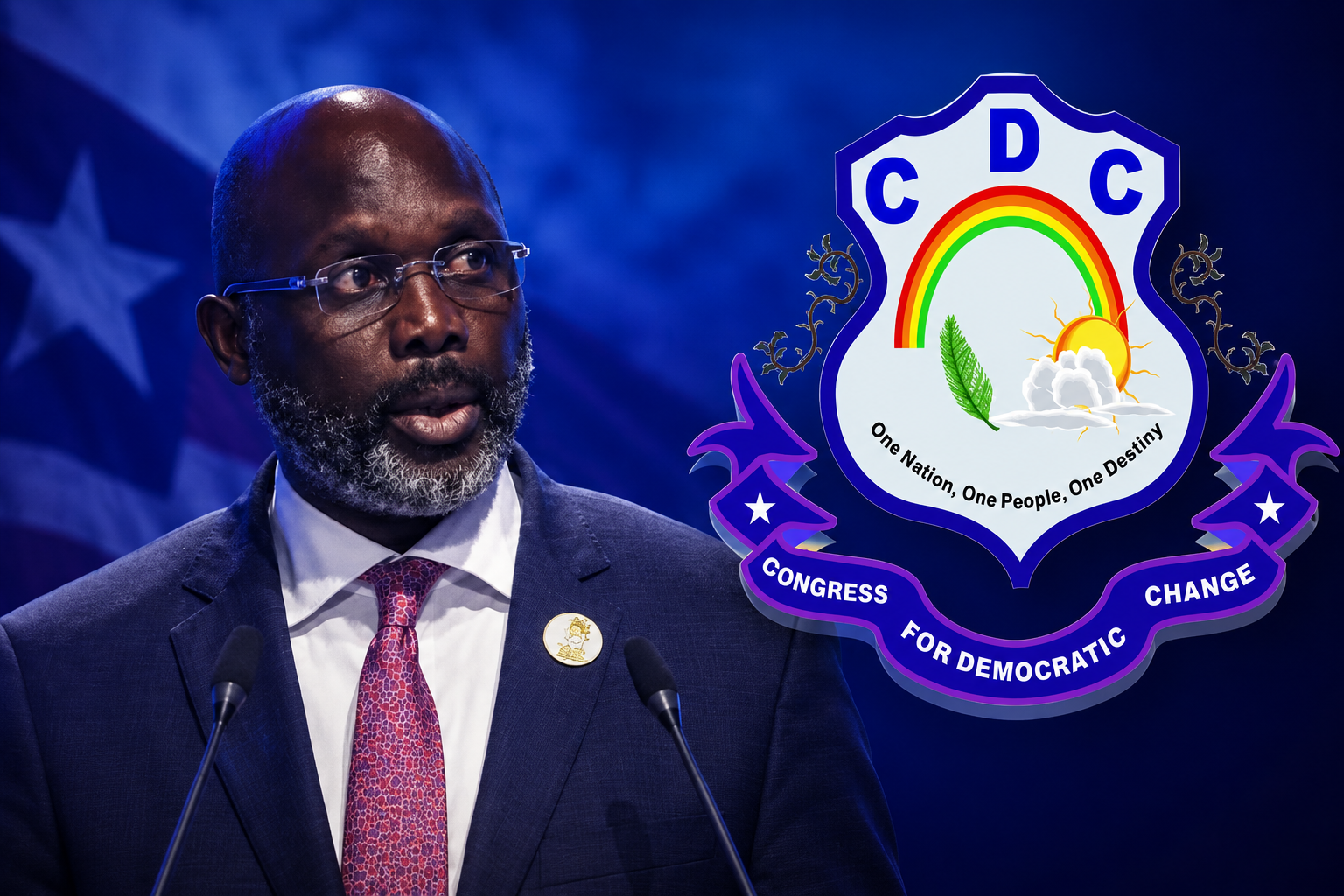
Liberia's Weah: Charles Taylor Case Fabricated, Cites Authoritarianism
Summary
- Former Liberian President George Weah, as Political Leader of the Congress for Democratic Change, issued a forceful statement under his own name.
- Weah claimed the case against former President Charles Taylor was fabricated and described Taylor as the "latest victim" of rising authoritarian tendencies.
- He warned that these authoritarian tendencies have historically plunged societies, including Liberia, into chaos.
- Weah's statement implicitly questioned why the government has not pursued similar legal action against officials currently on its payroll.
- The former president's remarks highlight concerns about selective justice and the potential for political influence on judicial matters in Liberia.
Former President Weah Challenges Taylor's Conviction
The former head of state's assertion that the case against Charles Taylor was fabricated, coupled with his critique of selective justice, introduces significant questions regarding the impartiality of legal processes in Liberia.
In a notably strong declaration since departing the presidency, George Weah, acting in his capacity as the Political Leader of the Congress for Democratic Change, recently issued a public statement under his personal name. This pronouncement stands out as one of the most assertive he has made since leaving office, directly addressing the legal standing of former President Charles Taylor.
Weah's statement characterized Taylor as the "latest victim" of what he termed escalating authoritarian tendencies. He warned that such trends have historically led to societal breakdown and chaos, including within Liberia itself. The former head of state explicitly alleged that the case against Charles Taylor was fabricated, a significant claim that directly challenges the legitimacy of the legal proceedings that led to Taylor's conviction.
This assertion by George Weah regarding a fabricated case against Charles Taylor introduces a new dimension to the ongoing political discourse in Liberia, particularly concerning justice and accountability for past conflicts. His remarks, coming from a former national leader and current political party head, carry substantial weight and signal a potential shift in how high-profile legal judgments are viewed within the country's political landscape.
Allegations of Selective Justice in Liberia
Beyond the direct accusation of a fabricated case against Charles Taylor, Weah's statement implicitly raises broader concerns about selective justice within Liberia. The former president's critique suggests a disparity in how legal accountability is pursued, particularly when compared to individuals currently holding positions within the government.
The underlying question posed by this commentary is why the Liberian government has not applied similar scrutiny or legal action to officials who remain on its payroll, especially if their past actions warrant investigation. This line of questioning from George Weah highlights persistent allegations of Liberia's selective justice practices, implying that certain individuals may be shielded from prosecution while others face what he describes as manufactured charges.
Such allegations from a prominent political figure like Weah, particularly concerning the charges against Charles Taylor, underscore the delicate balance between political influence and judicial independence. The implication is that the legal system might be susceptible to political manipulation, leading to an uneven application of the law.
Political Implications and Authoritarian Concerns
The former head of state's assertion that the case against Charles Taylor was fabricated, coupled with his critique of selective justice, introduces significant questions regarding the impartiality of legal processes in Liberia. Weah's reference to "rising authoritarian tendencies" suggests a broader concern about the direction of governance in the nation. He explicitly linked these tendencies to historical periods of instability and conflict, drawing a parallel to Liberia's own tumultuous past.
Weah's statement, delivered as the Political Leader of the Congress for Democratic Change, positions him as a vocal critic of the current administration's approach to justice and governance. By criticizing Taylor's charges and alleging fabrication, he not only defends a former leader but also frames the issue within a larger narrative of democratic erosion and potential authoritarianism in Liberia. This public stance could galvanize political opposition and fuel debates about the rule of law.
The commentary from George Weah, a former president, carries substantial weight and could influence public perception of the judiciary's independence. His remarks about Liberia's authoritarian tendencies and the alleged fabrication of the case against Charles Taylor serve as a significant political statement, potentially impacting future legal and compliance risk assessments for the country.
Practical Implications
This political statement from a former head of state, alleging fabrication in a high-profile international criminal case and questioning selective justice, signals potential ongoing political influence on judicial matters in Liberia. Legal professionals should monitor such commentary as it may reflect broader concerns about the rule of law and judicial independence, which could impact future legal and compliance risk assessments.
Source
How does this affect you?
Get an AI analysis of this article grounded in your jurisdictions, practice areas, and any policy documents you've uploaded to Wansom.
Wansom is AI and can make mistakes.