
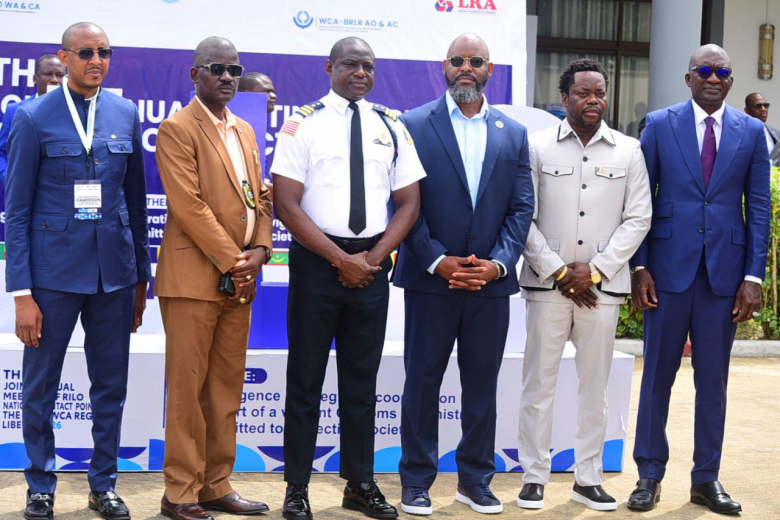
Liberia: WCO Regional Customs and Intelligence Meeting Boosts Cooperation
Summary
- The 17th Joint Annual Meeting of WCO RILO National Contact Points was held in Liberia, focusing on combating cross-border crime.
- Over 40 delegates from 17 West and Central African countries attended the weeklong conference hosted by the Liberia Revenue Authority.
- Amandu Tejan Sesay emphasized that shared intelligence is crucial for dismantling criminal networks and protecting public safety.
- Liberia’s Customs Commissioner Saa Saamoi highlighted the urgent need for stronger regional intelligence and coordinated enforcement against sophisticated criminal tactics.
- Delegates will review past recommendations and discuss intelligence exchange, data quality, and the use of WCO enforcement platforms.
Regional Leaders Convene in Liberia
When intelligence is effectively shared and interconnected across national borders, authorities gain the capacity to pinpoint trafficking routes, dismantle organized criminal groups, and target the individuals responsible for illegal trade activities.
Customs officials and key intelligence contacts from across West and Central Africa recently gathered in Liberia for a significant weeklong conference. This event marked the 17th Joint Annual Meeting for National Contact Points of the World Customs Organization's (WCO) Regional Intelligence Liaison Offices (RILO). The primary objective was to enhance intelligence sharing, foster regional cooperation, and coordinate enforcement efforts against smuggling and various forms of transnational crime.
The Liberia Revenue Authority (LRA), specifically its Customs Department, proudly hosted this landmark meeting at the Farmington Hotel in Margibi County. Operating under the theme, “Intelligence and Regional Cooperation in Support of a Vigilant Customs Administration Committed to Protecting Society,” this was the first occasion Liberia has welcomed this particular gathering. The forum brought together more than 40 delegates, representing the customs administrations of 17 nations from the West and Central African regions.
The Imperative of Collaborative Intelligence
During the meeting's opening, Amandu Tejan Sesay, who serves as the Director General of RILO West Africa, emphasized the critical role of the forum in strengthening collaboration among customs administrations throughout the region. He extended commendation to the Liberia Revenue Authority for their hosting efforts and underscored the profound importance of intelligence sharing as a tool to dismantle criminal networks. Sesay pointed out that successful seizures of illicit goods, such as narcotics, counterfeit medicines, and protected wildlife, transcend mere enforcement statistics; these actions directly safeguard communities and public well-being.
When intelligence is effectively shared and interconnected across national borders, authorities gain the capacity to pinpoint trafficking routes, dismantle organized criminal groups, and target the individuals responsible for illegal trade activities. He highlighted the vital function of National Contact Points in systematically collecting, analyzing, and disseminating crucial intelligence to the appropriate authorities capable of initiating enforcement actions. Participants were encouraged to formulate actionable recommendations, assign clear responsibilities, and establish robust follow-up mechanisms to ensure the decisions made during the meeting are effectively implemented. Delegates are also slated to review recommendations from the previous RILO meeting held in Bamako, Mali, and examine topics including intelligence exchange, data quality, regional operations, and the efficient utilization of the WCO Customs Enforcement Network (CEN) and CENcomm platforms.
Navigating Modern Customs Challenges
Liberia’s Commissioner of Customs, Saa Saamoi, delivered a stark message regarding the urgent necessity for enhanced regional intelligence sharing and synchronized border enforcement. He cautioned that criminal organizations persistently exploit vulnerabilities within national systems and capitalize on delays in information exchange. Saamoi observed that customs administrations globally are under increasing pressure to improve revenue collection, facilitate legitimate trade, and vigorously combat illicit activities. This pressure is exacerbated by expanding trade volumes, rapid technological advancements, the growth of e-commerce, and the escalating sophistication of criminal networks.
Commissioner Saamoi detailed common methods of customs fraud, which include misdescription of cargo, undervaluation of goods, origin fraud, falsification of documents, concealment of prohibited items, and the diversion of transit cargo. He stressed the delicate balance required between facilitating trade and maintaining effective enforcement controls. This balance, he noted, can be achieved particularly through improved risk assessment strategies and the precise identification of high-risk consignments. Saamoi concluded by emphasizing the need for faster clearance decisions without compromising essential controls, advocating for a reduction in unnecessary physical examinations while simultaneously enhancing their overall effectiveness.
Source
How does this affect you?
Get an AI analysis of this article grounded in your jurisdictions, practice areas, and any policy documents you've uploaded to Wansom.
Wansom is AI and can make mistakes.