
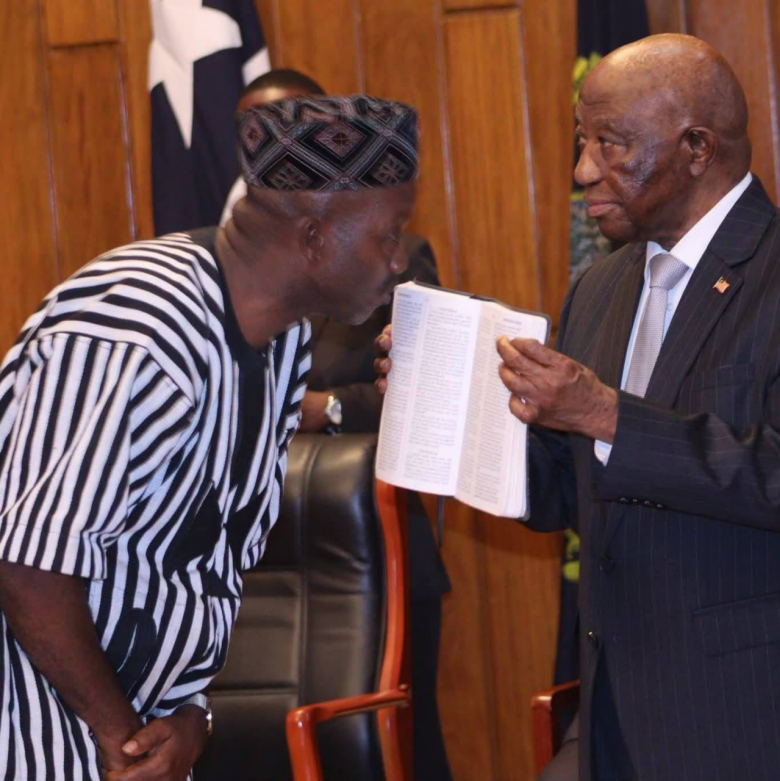
Liberia Boakai: Commissions Indicted Zinnah Amid Corruption Scandal
Summary
- President Joseph Nyuma Boakai commissioned Sam K. Zinnah as Gbarpolu County Superintendent, despite Zinnah facing an indictment in a US$425,000 procurement scandal.
- Zinnah is one of five individuals indicted by the LACC in the Yellow Machines scandal, which involved alleged irregularities in procuring heavy-duty equipment for Gbarpolu County.
- The LACC case, scheduled for September 14, 2026, was postponed, and reports indicate the procured equipment is largely non-operational.
- Critics argue that commissioning an official with an unresolved indictment undermines the Boakai administration's anti-corruption credibility, despite the legal distinction between indictment and conviction.
- The controversy highlights public concerns about the pace of justice and the government's commitment to accountability in Liberia.
Presidential Decision Sparks Debate
The commissioning has ignited a renewed public discussion regarding the Liberian government's commitment to its stated anti-corruption agenda.
President Joseph Nyuma Boakai's administration is facing significant public scrutiny following his recent decision to commission Sam K. Zinnah as Superintendent for Gbarpolu County. This move has drawn criticism because Zinnah is one of five individuals currently under indictment in connection with a substantial US$425,000 procurement controversy, known as the Yellow Machines scandal. The commissioning has ignited a renewed public discussion regarding the Liberian government's commitment to its stated anti-corruption agenda.
The controversy is particularly sensitive as the legal proceedings related to the indictment remain unresolved. The Liberia Anti-Corruption Commission (LACC) had scheduled the case to commence on September 14, 2026, at the 16th Judicial Circuit Court in Bopolu. However, these proceedings were subsequently postponed after a member of the defense team submitted an excuse, citing an inability to appear. This delay, coupled with the commissioning of an indicted official, has heightened concerns among citizens and political stakeholders about the pace of justice, especially in cases involving public development funds intended for critical infrastructure projects in one of Liberia's less-developed counties.
Details of the Procurement Scandal
The core of the legal dispute revolves around US$425,000 that was allocated from Gbarpolu County’s Social Development Fund. These funds were designated for the acquisition of three pieces of heavy-duty equipment: a bulldozer, an excavator, and a motor grader. The purpose of these machines was to support essential road construction, rehabilitation efforts, and other vital infrastructure projects throughout the county, aiming to improve connectivity and development.
The LACC announced on September 8, 2025, that the Grand Jury of the 16th Judicial Circuit Court had issued a True Bill on all counts of the indictment against the five individuals involved. Beyond Superintendent Zinnah, those indicted include former Superintendent J. Keyah Saah, former Fiscal Superintendent Anthony Yorkor, former Project Management Committee Chairman Robert Benda, and Omaru Sheriff, who serves as the Chief Executive Officer of City Lion Inc. The LACC's allegations point to irregularities within the procurement process, raising questions about the quality of the supplied equipment and potential breaches of public procurement and financial management regulations. Furthermore, concerns have been voiced regarding whether the delivered machines met the specified requirements and provided adequate value for the public funds invested. Reports indicating that the equipment has largely remained non-operational, plagued by issues such as oil leakages and other defects, have intensified public demands for accountability and answers.
Legal and Political Implications
While an indictment does not equate to a conviction, and all five defendants are presumed innocent until proven guilty by a competent court, critics argue that President Boakai’s decision to commission an official facing unresolved corruption charges undermines public trust. This action has led to questions about the administration's judgment, its consistency in upholding accountability, and its broader commitment to good governance. The controversy also echoes an earlier call from Gbarpolu Senator Botoe Kanneh, who advocated for the temporary relief of indicted county officials from their duties while they face prosecution.
The Boakai administration has consistently positioned accountability and the fight against corruption as central tenets of its governance strategy. However, the commissioning of Sam K. Zinnah, despite his indictment in the Yellow Machines procurement scandal, has become a focal point in the ongoing debate about the credibility of this anti-corruption agenda. The legal distinction between an indictment and a conviction is crucial, as Zinnah has not been found guilty, and his constitutional rights must be protected. Nevertheless, the administration faces the challenge of addressing public confidence concerns that arise when an official with an unresolved indictment is appointed to a high-profile position, particularly given the LACC's ongoing investigation into the matter.
Practical Implications
Lawyers should advise clients on the legal and reputational implications for public officials who remain in office or are appointed while facing unresolved indictments, particularly regarding the LACC's ongoing investigations and the heightened political scrutiny such decisions attract in Liberia.
Source
How does this affect you?
Get an AI analysis of this article grounded in your jurisdictions, practice areas, and any policy documents you've uploaded to Wansom.
Wansom is AI and can make mistakes.