
Liberia Court Clears Sam Jackson Travel for Medical Leave
Summary
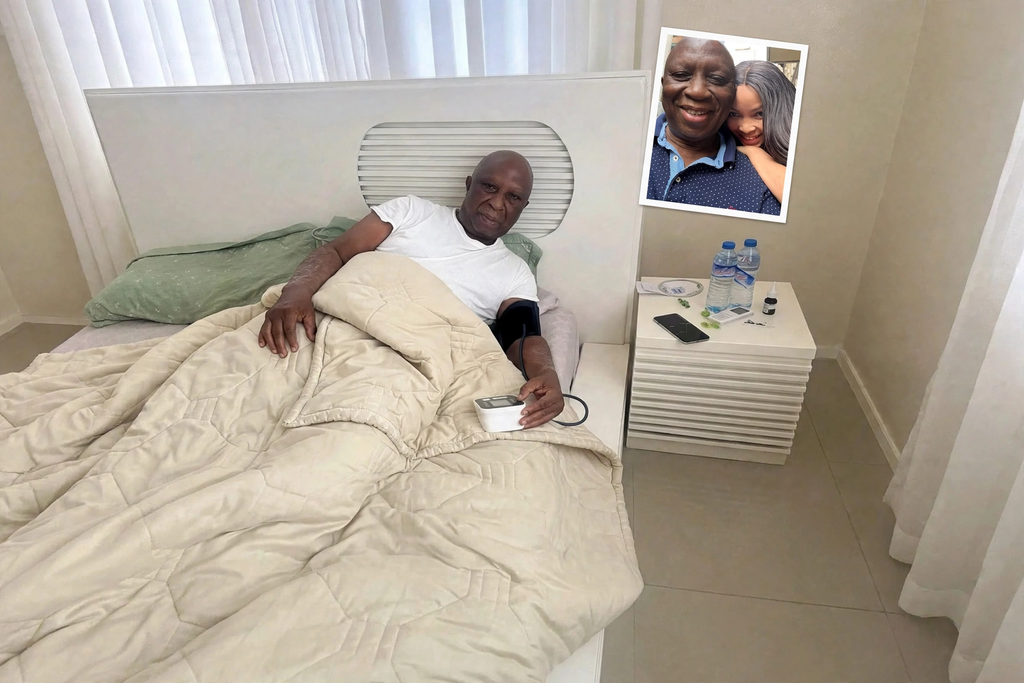
- Samuel P. Jackson, facing manslaughter charges, received court permission for 90 days of medical travel to the United States.
- Judge Serena F. Garlawolu of Criminal Court B for Montserrado County granted the leave for treatment of High-Risk Prostate Adenocarcinoma.
- Strict conditions include two human sureties, a financial bond, and a written undertaking to return by February 17, 2027.
- Prosecutors did not oppose the medical request but insisted on rigorous conditions to prevent Jackson from evading jurisdiction.
- Jackson was previously charged with manslaughter and other offenses following his wife Toni Khumalo Jackson's death in March 2026.
Court Grants Medical Leave
The "Liberia court clears Sam Jackson travel" decision balances the defendant's right to critical healthcare with the state's interest in maintaining jurisdiction over a serious criminal case.
Samuel P. Jackson, a prominent Liberian economist and political commentator currently facing manslaughter charges, has received judicial approval to depart Liberia for medical treatment in the United States. Judge Serena F. Garlawolu of Criminal Court B for Montserrado County issued the ruling, allowing Jackson a 90-day period abroad for further diagnostic tests and potential specialized care.
This decision acknowledges Jackson's severe health condition, identified by a urologist as High-Risk Prostate Adenocarcinoma. The court emphasized that this permission was granted solely for medical necessity, not as a means to evade the ongoing legal proceedings related to his wife's death. The "Liberia court clears Sam Jackson travel" decision balances the defendant's right to critical healthcare with the state's interest in maintaining jurisdiction over a serious criminal case.
Stringent Conditions for Travel
The permission for Samuel P. Jackson's medical travel was not unconditional. Judge Garlawolu imposed a series of strict requirements to ensure his return to Liberia. Jackson is mandated to provide two qualified human sureties, execute a financial bond, and formally commit in writing to return to the country by February 17, 2027. The Clerk of Criminal Court B has been tasked with verifying that all these stipulations are met before Jackson is allowed to leave.
Prosecutors, represented by Cllr. Isaac Williams, did not oppose the medical request during the November 11 hearing but insisted on rigorous conditions to prevent Jackson from absconding. They specifically requested that the court investigate and approve the sureties, holding them accountable should Jackson fail to return. Any extension beyond the specified date will necessitate credible medical documentation and explicit court authorization, with legal repercussions for the sureties if Jackson defaults on his return without proper approval. These "Liberia defendant medical leave conditions" highlight the court's careful approach.
Background of Manslaughter Charges
The legal proceedings against Samuel P. Jackson stem from the death of his wife, Toni Khumalo Jackson, a South African attorney and founder of NK Attorneys. She passed away on March 13, 2026, at the John F. Kennedy Memorial Medical Center in Monrovia, after being found semi-conscious with a significant head injury in the couple's Sinkor residence. Khumalo, who would have celebrated her 44th birthday and third wedding anniversary on June 23, remained in a Monrovia morgue for months, awaiting repatriation by her family.
Following an initial investigation, the Liberia National Police identified Jackson as a suspect on March 16, with Inspector General Gregory O. W. Coleman making the announcement. By April 2, police had formally charged him with manslaughter, negligent homicide, aggravated assault, and recklessly endangering another person, citing witness testimonies, photographs, and communications that allegedly indicated a history of marital physical abuse. Jackson's actions in the hours preceding his wife's hospitalization were also scrutinized by investigators. It is important to note that these allegations remain unproven, and Jackson is presumed innocent.
Prior Judicial Scrutiny
Jackson's legal journey has involved several prior court appearances and challenges. After an indictment by the Special Grand Jury for Montserrado County, he was arrested and detained at the Monrovia Central Prison, spending four nights in custody. On April 6, Resident Circuit Judge Roosevelt Z. Willie granted his release on a US$20,000 criminal appearance bond.
However, this bond was subsequently challenged by prosecutors on April 13, who argued that the property valuation documents did not meet legal standards and sought to have Jackson re-detained. Judge Willie ultimately dismissed this challenge on April 22, upholding the bond and ordering the return of seized property, including Jackson's electronic devices. The state's consistent concern about ensuring Jackson remains within the court's jurisdiction, evident in the earlier bond dispute, directly informed the demand for additional sureties in the recent "Judge Serena Garlawolu ruling" regarding his medical leave. This history underscores the judicial system's vigilance in balancing a defendant's rights with the state's need to ensure accountability.
Practical Implications
Lawyers advising clients facing criminal charges in Liberia who require medical treatment abroad should note the stringent conditions imposed by Criminal Court B, including multiple sureties, bonds, and undertakings, to ensure the defendant's return for trial. This ruling sets a precedent for balancing a defendant's right to medical care against the state's interest in maintaining jurisdiction.
Source
How does this affect you?
Get an AI analysis of this article grounded in your jurisdictions, practice areas, and any policy documents you've uploaded to Wansom.
Finish Reading the Full Story and the Expert Analysis.
Get the latest legal & regulatory intelligence in Liberia
Wansom is AI and can make mistakes.