
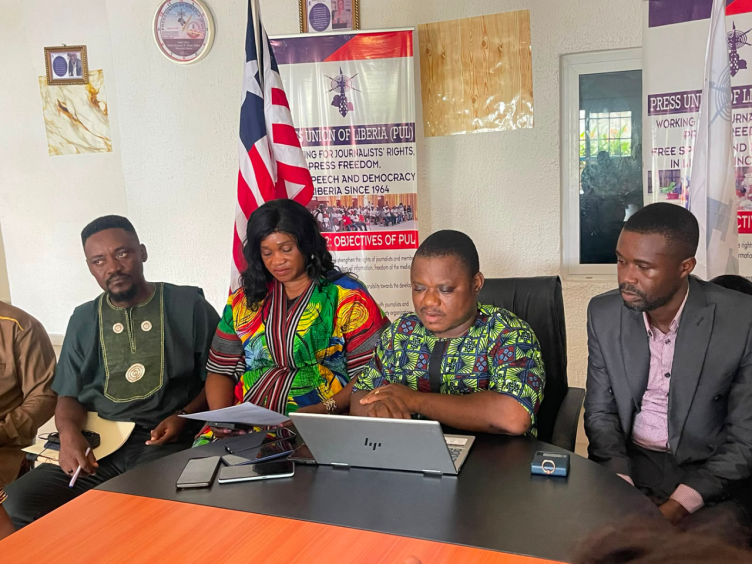
Liberian Civil Society: Boakai Pressured on War Crimes, Anti-Corruption Courts
Summary
- Liberian civil society organizations accuse the Joseph Nyuma Boakai administration of delaying the establishment of two key courts.
- The proposed courts are the War and Economic Crimes Court and the Specialized National Anti-Corruption Court.
- Civil society warns that these delays could harm Liberia's credibility ahead of its United Nations presidency.
- The courts aim to address historical war crimes, economic abuses, and ongoing corruption in Liberia.
Accountability Courts Face Delays
The civil society coalition, based in Monrovia, has issued a stark warning that continued procrastination in setting up these accountability courts could severely damage Liberia's international standing.
A prominent coalition of Liberian civil society organizations has voiced significant concern over what they describe as foot-dragging by the administration of President Joseph Nyuma Boakai. The groups allege that the government is unduly delaying the establishment of two crucial judicial bodies: the proposed War and Economic Crimes Court and the Specialized National Anti-Corruption Court.
The civil society coalition, based in Monrovia, has issued a stark warning that continued procrastination in setting up these accountability courts could severely damage Liberia's international standing. This comes at a particularly sensitive time, as the West African nation is preparing to assume a significant leadership role on the global stage, specifically the presidency of the United Nations.
These proposed judicial mechanisms are central to Liberia's ongoing efforts toward transitional justice and combating systemic corruption. The War and Economic Crimes Court aims to address grave human rights violations and financial malfeasance committed during past conflicts, while the Specialized National Anti-Corruption Court is designed to tackle pervasive economic crimes that have long plagued the nation.
Legal and International Ramifications
The establishment of the Liberia War and Economic Crimes Court and the Liberia Specialized National Anti-Corruption Court carries profound legal implications for individuals and entities operating within or engaging with Liberia. These Joseph Boakai accountability courts, once operational, would introduce new avenues for legal action and enforcement, targeting historical abuses and contemporary financial misconduct. Lawyers and compliance officers should closely monitor their development, as they will undoubtedly reshape the legal landscape, potentially exposing individuals and corporations to new risks related to past actions or current dealings.
The Liberian civil society court pressure highlights the critical link between domestic judicial reform and international credibility. The coalition's warning underscores that delays in implementing these key institutions could undermine the country's reputation, especially as it prepares for its UN Security Council presidency. This international role demands a strong commitment to justice and good governance, and the perceived lack of progress on these courts could be seen as a failure to uphold those principles.
The Push for Transitional Justice
The call for these specialized courts is deeply rooted in Liberia's history, reflecting a long-standing demand for Liberia transitional justice. The War and Economic Crimes Court, in particular, is envisioned to provide a mechanism for redress for victims of the country's civil wars, addressing atrocities and economic exploitation that have largely gone unpunished. Similarly, the Specialized National Anti-Corruption Court is seen as a vital tool to strengthen the rule of law and foster greater transparency in public life, directly confronting the endemic issue of corruption that has hindered national development.
The ongoing advocacy by Liberian civil society organizations underscores the persistent demand from within the country for concrete steps towards accountability. Their sustained pressure on the Boakai administration serves as a reminder that the promise of justice and good governance remains a central expectation of the populace, and that delays in fulfilling these commitments can have significant domestic and international repercussions.
Practical Implications
Lawyers and compliance officers operating in or with Liberia should closely monitor the establishment of the proposed War and Economic Crimes Court and Anti-Corruption Court, as these will introduce new legal risks, enforcement actions, and compliance requirements related to historical abuses and financial misconduct.
Source
How does this affect you?
Get an AI analysis of this article grounded in your jurisdictions, practice areas, and any policy documents you've uploaded to Wansom.
Finish Reading the Full Story and the Expert Analysis.
Wansom is AI and can make mistakes.